
Venezuela using coronavirus as cover to crack down on dissent, report claims
A report from Human Rights Watch was featured among the site’s world news headlines.
Read MoreLive world news related to the coronavirus (COVID-19) pandemic, updated by the minute. Follow global developments, statistics, and selected cryptocurrency news.
Read international coverage of the coronavirus pandemic and related global events.
Explore News
Visit the statistics section for data related to the coronavirus pandemic.
View Stats

Stay oriented with the site’s described live update format.
Read updates
A report from Human Rights Watch was featured among the site’s world news headlines.
Read More
The site featured this headline in its world news coverage.
Read More
The article covered the beginning of arguments by phone during the pandemic.
Read More
The site reported on the WHO chief’s self-quarantine after contact with a person who tested positive.
Read More
The site published an article discussing possible smartphone data sharing.
Read More
The site published an article on the initiative described in the headline.
Read More
The site discussed the subject of hoax martial law emails in a coronavirus article.
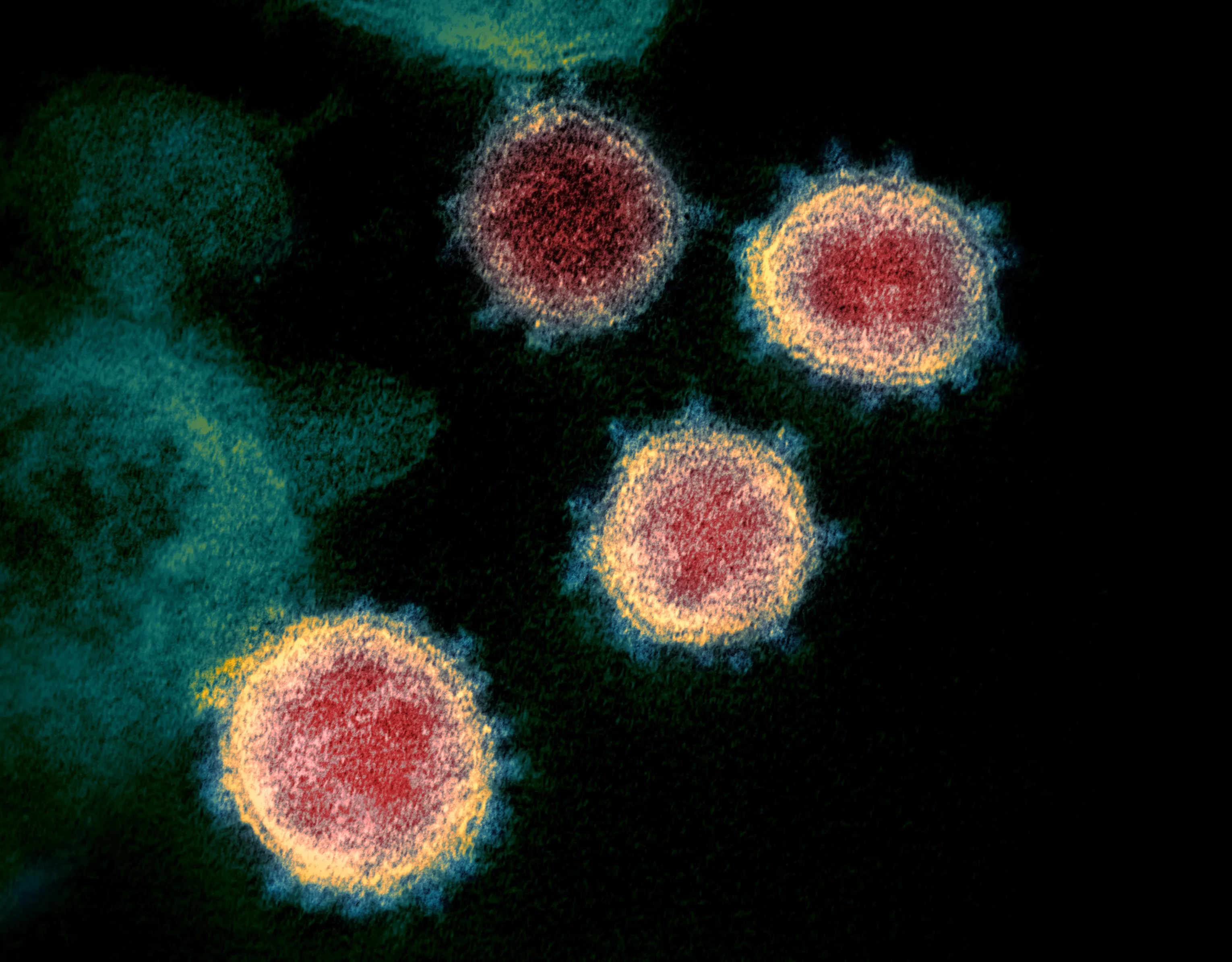
Read MoreA study shows a nasal spray COVID-19 vaccine provides stronger mucosal immunity than a conventional injected dose, offering evidence that vaccinating the site where SARS-CoV-2 first enters the body may improve protection. For Australians, the findings could shape future vaccine design, but they do not yet make nasal products a routine option through the Australian Immunisation Schedule.
Mucosal immunity is the local defence lining the nose and airways. It relies on antibodies such as IgA, specialised immune cells and immune memory that can act quickly when a virus lands on those tissues. Systemically delivered vaccines remain highly effective at reducing severe illness, while stronger local responses could potentially reduce infection and onward transmission.
The distinction matters in busy settings such as Sydney and Melbourne stations, crowded classrooms, aged-care facilities and workplaces where respiratory particles can accumulate. It also gives policymakers a reason to test delivery methods against local patterns of travel, exposure and healthcare access rather than assuming results from one population will transfer unchanged. The immediate question for Australia is whether the advantage is large, durable and reproducible.
Researchers compared immune responses following intranasal vaccination with those produced by intramuscular vaccination. The strongest signal was a rise in SARS-CoV-2-specific IgA in nasal samples, alongside local cellular immune activity. That result points to a more immediate barrier at the entry site, while injected vaccines generally generated a more pronounced systemic antibody response in the blood. The investigators also assessed immune-memory markers associated with faster responses at later exposures. These laboratory measures can reveal a biological mechanism before a larger trial records clinical outcomes.
A practical comparison helps show what is genuinely different:
| Feature | Injected vaccine | Nasal spray vaccine |
|---|---|---|
| Primary immune pattern | Strong systemic antibody and T-cell response | Stronger IgA and immune activity in nasal tissue |
| Best-established benefit | Reduced risk of severe disease and death | Potential added protection against infection and transmission |
| Delivery | Established clinics, pharmacies and cold-chain systems | Experimental route requiring product-specific safety and efficacy data |
| Australian availability | Available under current vaccination policy | No routine Australian option; TGA approval and product supply would be required |
The finding should not be read as proof that every nasal formulation will outperform every injectable vaccine. Results depend on the antigen, dose, device, prior infection and sampling time. Mucosal-immunity measurements alone are not equivalent to a community trial showing fewer hospitalisations or deaths. Those outcomes, plus protection against new variants, remain essential.
SARS-CoV-2 usually encounters the respiratory lining before it reaches deeper organs. A vaccine that establishes immune memory in the nose may shorten the window in which the virus can establish itself, especially during the winter surge that shapes Australia’s respiratory season. Unlike IgG in the blood, secretory IgA is adapted to mucosal surfaces and can neutralise virus locally. That does not mean sterilising protection or immunity to every variant.
There are practical questions about how long local IgA persists and whether protection broadens as SARS-CoV-2 changes. Injectable boosters can still deliver major benefits to people at higher risk, including older adults and immunocompromised patients. A nasal approach would need to add value without weakening established protection against severe disease.
General wellness claims should not be confused with vaccine evidence. For example, iron deficiency can cause anaemia and affect health, but no food can replace immunisation; this moringa and iron explanation separates the nutritional issue from exaggerated immune-building claims. Maintaining healthy habits and treating diagnosed deficiencies remain sensible without becoming substitutes for approved vaccination.
Even if a spray improves early defence, its population value would depend on how often people use it, whether protection lasts through a wave and how quickly variants escape existing immunity. In cities with dense public transport and frequent international air travel, a modest reduction in infection could complement other controls, particularly in hospitals and aged care. The size of that effect would still need to be measured.
Outbreak teams also rely on timely signals to judge where transmission is accelerating. Earlier reporting on smartphone data sharing examined how Facebook and Google might support public-health analysis. Such data need strict privacy limits, clear consent and safeguards against misuse; they can assist surveillance but cannot determine vaccine efficacy.
A combined strategy is therefore more credible than any single measure. Vaccination, ventilation, staying home when acutely unwell and well-fitted masks in high-risk indoor settings all serve different purposes. Mucosal vaccination would add another layer rather than replace them, and any rollout should measure infection, hospitalisation and transmission together.
The Therapeutic Goods Administration is the body that assesses vaccines for Australian use, and an intranasal COVID-19 vaccine would need Australian authorisation before it could be supplied as a routine vaccine. People should not buy supposed nasal vaccines online or from informal sellers. Product approval, batch quality, storage requirements and authorised dosing must be established before clinical use. An imported product or clinical trial sample cannot simply be used as a substitute in a pharmacy.
Australia’s delivery network is an advantage if a suitable product emerges. General practitioners, community pharmacies and public immunisation services already administer COVID-19 vaccines, while aged-care providers reach many high-risk residents. A spray might be convenient for people who dislike injections, but training, wastage, storage and accurate administration would determine whether it fits better than familiar options.
Trial access is the likely next step. Australians can monitor official TGA and Australian Clinical Trials Registry notices, speak with their pharmacist or GP, and verify participation through a trial site or health service rather than social-media advertisements. Many Australians use “dose” and “booster” in everyday conversations, so future services should explain clearly whether a nasal product is a first dose, another dose or a booster. In remote parts of Northern Territory and South Australia, Aboriginal Community Controlled Health Organisations would be central to culturally safe, locally designed research and delivery.
The most sensible response today is to use authorised vaccination while following current Australian Government and state or territory health advice. Households can prepare for future options by separating promising research from an approved product and by checking which changes would matter most for their own risk.
For people with a history of severe COVID-19, repeated infection or difficult-to-control asthma, an individual conversation may be more useful than general advice. A current vaccine remains important even when a novel option is being studied, and early treatment guidance should also be discussed with a clinician. People who are unvaccinated should not wait for a nasal formulation before seeking advice.
The next evidence milestones are substantial. Researchers need head-to-head data on infection rates, symptom severity, hospital admissions, duration of response and reactions after nasal dosing. Safety monitoring must include people with allergies, asthma, pregnancy, previous infection and different levels of immune function, reflecting the diverse Australian population. Trials should also record whether protection remains effective as the virus changes.
Equity deserves equal attention. A vaccine that performs well in a controlled trial can still fail to reach people facing distance, disability, language barriers or unstable housing. Research in regional hospitals and Aboriginal communities should be funded and governed locally, with results made accessible to the communities that contributed. An early economic review should also model whether specialist delivery devices, storage needs or repeated doses would make a biologically stronger vaccine less attractive in a publicly funded program.
Implementation also depends on a functioning health workforce. Reporting on healthcare worker burnout illustrates the wider strain created by repeated pandemic waves and staffing shortages. Any new delivery programme needs protected training time, manageable workloads and mental-health support, because a theoretically convenient vaccine is not useful if clinics cannot deliver it reliably.