
Venezuela using coronavirus as cover to crack down on dissent, report claims
A report from Human Rights Watch was featured among the site’s world news headlines.
Read MoreLive world news related to the coronavirus (COVID-19) pandemic, updated by the minute. Follow global developments, statistics, and selected cryptocurrency news.
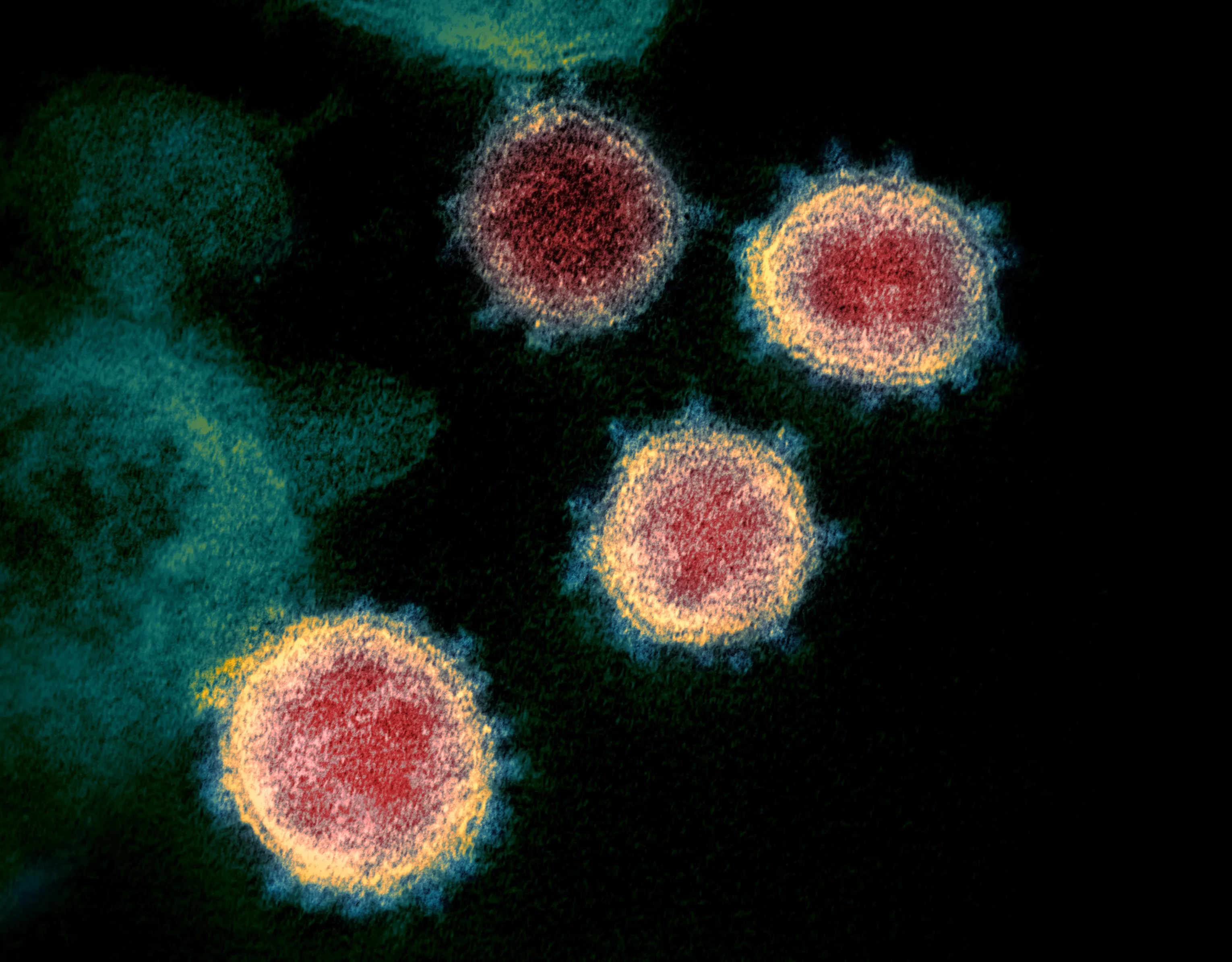

Read international coverage of the coronavirus pandemic and related global events.
Explore News
Visit the statistics section for data related to the coronavirus pandemic.
View Stats

Stay oriented with the site’s described live update format.
Read updates
A report from Human Rights Watch was featured among the site’s world news headlines.
Read More
The site featured this headline in its world news coverage.
Read More
The article covered the beginning of arguments by phone during the pandemic.
Read More
The site reported on the WHO chief’s self-quarantine after contact with a person who tested positive.
Read More
The site published an article discussing possible smartphone data sharing.
Read More
The site published an article on the initiative described in the headline.
Read More
The site discussed the subject of hoax martial law emails in a coronavirus article.
Read MoreRecent research points to a decline in COVID-19 vaccine effectiveness against severe disease after six months. That does not mean protection disappears suddenly or that vaccination becomes worthless. It means the size of the benefit can change as the interval since the last dose grows, making age, underlying conditions and booster timing increasingly important.
Severe disease generally includes hospitalisation, admission to intensive care and death. These outcomes respond differently to vaccination from infection itself, and a vaccine can retain substantial protection against hospitalisation even when protection against catching the virus has weakened. Understanding that distinction is essential for interpreting new statistics and deciding when another dose may be appropriate.
Vaccine effectiveness studies compare outcomes among people who have received different vaccine doses or periods of time since vaccination. These real-world estimates differ from efficacy results produced in controlled clinical trials. Observational studies can be influenced by prior infection, changes in circulating variants, access to treatment and differences in the health of vaccinated and unvaccinated groups.
A six-month interval is a useful marker for describing an average pattern, rather than a universal biological deadline. Protection commonly appears strongest soon after a dose, with smaller benefits against severe illness in some groups as time passes. People who received additional doses, caught a previous infection or were vaccinated at a younger age may follow different patterns from those facing their first infection.
Relative protection also needs to be considered alongside absolute risk. A vaccine that substantially reduces the chance of hospitalisation during a major outbreak may provide a smaller measurable benefit when community transmission is low. Hospital admissions, intensive care use and deaths therefore remain more informative than case counts alone when assessing vaccine performance.
Antibodies are an important part of the body’s immediate defence against SARS-CoV-2, and their levels often decline following vaccination. Immune memory generally lasts longer. Memory B cells can help produce a faster antibody response upon exposure, while T cells can recognise infected cells and limit the severity of disease. This cellular memory is one reason protection against severe illness can persist after antibody levels have fallen.
Other factors affect the speed of waning. New variants can alter how easily the virus enters cells and escapes existing immune responses. Age, immune suppression, dose history, the time between doses and previous infection all influence the strength and duration of protection. Exposure risk also changes with work, household crowding, community transmission and the precautions people take.
Researchers must account for these variables when estimating vaccine performance, because a six-month average can conceal important differences. Clear explanations of uncertainty help readers compare conflicting findings without treating one study as definitive. A non-clinical example of decisions under uncertainty appears in poker strategies, which illustrates why probabilities and incomplete information matter. The analogy is not medical guidance, but the same reasoning applies when weighing claims about vaccines.
Australia’s vaccine response is shaped by national advice and local delivery. The Australian Technical Advisory Group on Immunisation, known as ATAGI, provides recommendations on who should receive COVID-19 vaccination and when. The Therapeutic Goods Administration assesses vaccines for use in Australia, while federal, state and territory health authorities coordinate programs and communicate eligibility to the public.
The groups most likely to experience severe COVID-19 include older people, residents of aged-care facilities, people with significant chronic conditions and those with weakened immune systems. ATAGI has recommended additional vaccination for certain higher-risk groups, including some people with immunocompromising conditions. People with medical conditions should discuss appropriate timing with their clinician rather than rely on a general six-month rule.
Australia’s vaccine market includes imported products, domestic manufacturing capacity and an extensive network of community providers. Pharmacies and general practices remain important access points in Sydney, Melbourne, Brisbane and Adelaide, although availability and funding arrangements can change. Older residents of Sydney and Melbourne also benefit from vaccination coordination through residential aged care, where infection-control teams work with local health networks.
State surveillance teams in New South Wales and Victoria use wastewater testing to track changes in community transmission. For international travellers, customs and biosecurity requirements are separate from personal vaccination decisions. People arriving through Sydney or Melbourne airports must accurately declare relevant goods, including food or plant material, and can check Smartraveller for current border-health information.
A decline in vaccine protection against severe disease does not remove the value of preventing infection. COVID-19 affects the heart and blood vessels as well as the lungs. Reporting on a two-year heart risk study points to elevated cardiovascular risk following infection, including conditions that can affect people after the acute phase has passed.
That finding concerns the consequences of infection and should not be interpreted as evidence that COVID-19 vaccination causes heart disease. Post-infection risks associated with myocarditis, blood clots and other cardiovascular conditions must be evaluated separately from rare adverse events following vaccination. Researchers also need to consider reinfection, pre-existing conditions and changes in treatment when examining long-term outcomes.
Reducing transmission remains useful because fewer infections mean fewer chances of severe illness and fewer complications in people who are already vulnerable. Ventilation, well-fitted P2 respirators in crowded indoor settings and staying home when sick can help during periods of increased transmission. Rapid antigen tests and antiviral medicines provide additional protection, especially when treatment begins early. Australians at higher risk should arrange an access plan with their doctor or pharmacist rather than wait for symptoms to worsen.
Updated vaccine research will need to separate protection against infection from protection against hospitalisation and death. Estimates should account for age, variant, previous infection, dose history and the interval since the last dose. Booster programmes can also change the pattern, making it harder to interpret comparisons between vaccinated and unvaccinated groups without adjusting for recent vaccination.
For Australia, important signals include ATAGI recommendations, vaccine availability through pharmacies, uptake among aged-care residents and outbreaks in health facilities. Hospital admissions by age and vaccination status can reveal whether reduced effectiveness is producing more severe disease. A rise in cases without a corresponding increase in hospitalisations may tell a different story from widespread illness among older people.
| Measure | Close to the last dose | Six months or later | Australian relevance |
|---|---|---|---|
| Severe disease | Protection is generally strongest, although no vaccine eliminates risk | The reduction in risk is often smaller | Older and medically vulnerable people need individual booster advice |
| Infection | Protection may be substantial | Waning often occurs faster than for severe disease | Ventilation, masks and testing remain useful when transmission increases |
| Hospitalisation and death | Lower severe-disease risk can translate into fewer admissions | Residual protection can remain important | Admissions and deaths are more useful indicators than case counts alone |
| Booster eligibility | Depends on the current immunisation schedule | An additional dose may become relevant | Current ATAGI advice matters more than a universal countdown |
The central story is not a sharp loss of protection but a gradual change in its strength. For Australians, staying informed about recommended doses, treatment access and local transmission remains especially important in aged care and other settings where vulnerable people live closely together. Keeping hospital admissions and deaths low remains the practical test of Australia’s COVID-19 response.