
Venezuela using coronavirus as cover to crack down on dissent, report claims
A report from Human Rights Watch was featured among the site’s world news headlines.
Read MoreLive world news related to the coronavirus (COVID-19) pandemic, updated by the minute. Follow global developments, statistics, and selected cryptocurrency news.
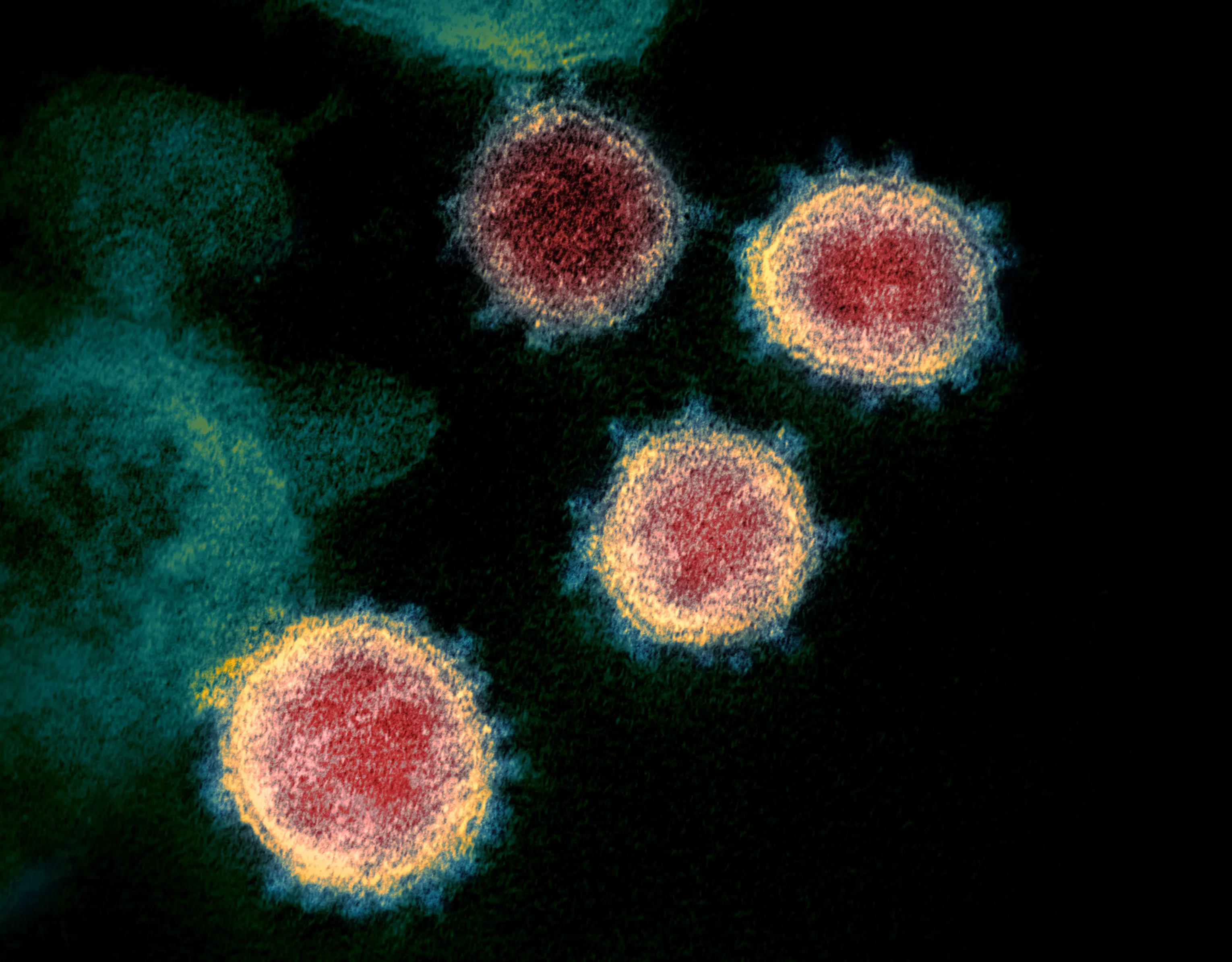

Read international coverage of the coronavirus pandemic and related global events.
Explore News
Visit the statistics section for data related to the coronavirus pandemic.
View Stats

Stay oriented with the site’s described live update format.
Read updates
A report from Human Rights Watch was featured among the site’s world news headlines.
Read More
The site featured this headline in its world news coverage.
Read More
The article covered the beginning of arguments by phone during the pandemic.
Read More
The site reported on the WHO chief’s self-quarantine after contact with a person who tested positive.
Read More
The site published an article discussing possible smartphone data sharing.
Read More
The site published an article on the initiative described in the headline.
Read More
The site discussed the subject of hoax martial law emails in a coronavirus article.
Read MoreA new study has added to evidence that COVID-19 can affect the cardiovascular system long after fever, cough and other acute symptoms have cleared. People recovering from the infection were found to face a higher risk of several heart and circulation problems for up to two years, including irregular heartbeat, heart failure, blood clots and coronary disease.
The findings do not mean that every person who has had COVID-19 will develop a heart condition. Risk varies with age, vaccination status, previous illness, the severity of the infection and existing factors such as high blood pressure or diabetes. However, the extended period identified by researchers gives doctors another reason to take persistent symptoms seriously, especially in older Australians and people with cardiovascular risk factors.
Researchers analysing health records compared people who had experienced COVID-19 with similar people who had not been infected. The infected group showed a higher rate of cardiovascular diagnoses during the following 24 months. The association was strongest after hospitalisation, although people with less severe illness also recorded some additional risk.
The study examined a broad range of outcomes rather than a single diagnosis. These included abnormal heart rhythms, inflammation of the heart muscle, heart failure, ischaemic heart disease, stroke and venous thromboembolism. The results suggest that the cardiovascular consequences of infection can extend well beyond the first few weeks of recovery.
The research is observational, which means it can identify a pattern but cannot prove that COVID-19 directly caused every later condition. People who became infected may have differed from the comparison group in their access to healthcare, lifestyle, underlying health or exposure to other illnesses. Even so, the size of the analysis and the consistent direction of the findings make the results relevant to public health planning.
For Australians, the timing matters. A person infected during a winter wave in Melbourne or Perth may feel recovered by the time everyday routines resume, yet still need medical review months later if breathlessness, chest discomfort or an unusually fast pulse develops. A normal return to work should not be treated as proof that every physiological effect has ended.
COVID-19 can place considerable strain on the heart during the acute phase. Fever, dehydration and reduced oxygen levels increase the workload placed on the cardiovascular system. The virus and the immune response may also irritate the lining of blood vessels, activate clotting pathways and trigger inflammation in the heart muscle.
These processes can expose weaknesses that were previously silent. Someone with early coronary artery disease may have no noticeable symptoms before infection, then experience chest pain during recovery. A person with a tendency towards atrial fibrillation may notice palpitations after a respiratory illness. In other cases, inflammation and reduced physical activity can combine to cause a temporary decline in exercise tolerance.
The post-viral period is complicated by the range of symptoms grouped under long COVID. Fatigue, dizziness, racing heart, poor concentration and shortness of breath can overlap with heart and lung disease, anxiety, anaemia or thyroid problems. A diagnosis should therefore be based on an assessment rather than an assumption that symptoms are simply part of recovery.
This is particularly important for people returning to strenuous activity. Australians who regularly cycle around Canberra, swim at beaches near Sydney or participate in community sport in Adelaide may need to build up gradually after infection. Sudden exertion while experiencing chest pain, fainting or significant breathlessness warrants urgent medical attention rather than a fitness test.
An increased relative risk can sound alarming without showing how frequently a condition occurs in absolute terms. For a young, healthy person, the additional chance of a serious cardiovascular event may remain small. For an older adult with hypertension, obesity or previous heart disease, the same infection may carry a more meaningful increase in risk.
The table below summarises how clinicians may interpret the findings. It is a practical explanation rather than an individual risk calculator, and it does not replace an assessment by a general practitioner.
| Period after infection | Possible cardiovascular pattern | Practical meaning |
|---|---|---|
| First days and weeks | Greater strain from fever, low oxygen, inflammation and clotting changes | Seek care for severe symptoms or rapid deterioration |
| One to three months | Palpitations, reduced exercise tolerance, chest discomfort or clot-related complications may appear | A GP review can help distinguish normal recovery from a treatable problem |
| Three to twelve months | Some people continue to show increased rates of rhythm disorders, heart failure or vascular events | Review blood pressure, medications and other modifiable risks |
| Twelve to twenty-four months | The study found elevated risk can persist, especially after severe infection | Ongoing symptoms should not be dismissed because the infection was months ago |
| Beyond two years | Evidence is less certain and varies by condition, variant and population | Continue routine preventive care and discuss personal risk with a clinician |
The results also need to be read alongside changes in the virus and medical care. Vaccination, antiviral treatment and better hospital management may reduce the likelihood of severe disease and its complications. The risk profile of an infection in 2026 may not be identical to that of the first pandemic waves, when immunity was limited and hospitals had fewer treatment options.
Australia’s healthcare system already manages high levels of cardiovascular disease. The Australian Institute of Health and Welfare reports that heart disease, stroke and related vascular conditions remain major causes of illness and death. An additional post-infection burden could increase demand for cardiology appointments, diagnostic imaging and rehabilitation, particularly in regional areas where specialist services are less available.
People recovering from COVID-19 should monitor changes rather than repeatedly checking their pulse or becoming alarmed by every tired day. Mild fatigue can occur after many infections, but persistent or worsening symptoms deserve a conversation with a doctor. A GP may check blood pressure, oxygen levels, an electrocardiogram and blood tests, then decide whether echocardiography or specialist referral is appropriate.
Australians should also remember that access and habits differ across the country. Someone in regional Queensland may rely on a local medical centre before travelling to Brisbane, while a resident of Sydney or Melbourne may have several clinics nearby but face long waits for bulk-billed appointments. Telehealth can be useful for initial advice, although chest pain, fainting and severe breathing difficulty require urgent in-person care.
Warning signs to take seriously
Useful recovery steps
Australian health advice also needs to account for everyday routines. Long drives between towns, desk-based work, heat exposure and reduced activity during isolation can all affect circulation. Hydration is especially important during hot weather in Brisbane, Darwin and inland communities, but excessive fluid intake can be harmful for people with heart or kidney failure, so individual advice matters.
Vaccination remains one of the clearest ways to reduce the chance of severe COVID-19, which is the form of infection most strongly associated with later cardiovascular complications. Eligibility and timing change as national recommendations are updated, so Australians should check advice from the Australian Government Department of Health and Aged Care, their state health department or a trusted clinician.
The end of the global emergency phase did not mean that COVID-19 disappeared or that long-term effects became irrelevant. Reporting on the WHO emergency decision marked a shift from crisis measures towards routine management, surveillance and targeted protection. That transition makes personal prevention and timely diagnosis more important, because many infections now happen outside highly visible public health campaigns.
Australians can reduce baseline cardiovascular risk by controlling blood pressure, avoiding tobacco, staying active within their capacity, sleeping regularly and managing cholesterol and diabetes. These measures do not guarantee protection from post-COVID complications, but they improve the heart’s resilience and make new symptoms easier to evaluate.
The local market also affects prevention. Australians can buy home blood-pressure monitors, wearable devices and rapid tests through pharmacies, supermarkets and online retailers, but consumer technology has limits. A watch may detect an irregular pulse without explaining its cause, while an inexpensive monitor can produce misleading readings if the cuff is the wrong size. Medical decisions should be based on repeated, reliable measurements and professional interpretation.
State and federal rules continue to shape infection control in hospitals, aged-care facilities, workplaces and schools. Requirements can vary by setting and may change during outbreaks, so people visiting older relatives or people with weakened immunity should check current facility guidance. The central message from the study is straightforward: COVID-19 recovery should be viewed as a period of health monitoring, not a fixed finish line reached when a test turns negative.