
Venezuela using coronavirus as cover to crack down on dissent, report claims
A report from Human Rights Watch was featured among the site’s world news headlines.
Read MoreLive world news related to the coronavirus (COVID-19) pandemic, updated by the minute. Follow global developments, statistics, and selected cryptocurrency news.
Read international coverage of the coronavirus pandemic and related global events.
Explore News
Visit the statistics section for data related to the coronavirus pandemic.
View Stats

Stay oriented with the site’s described live update format.
Read updates
A report from Human Rights Watch was featured among the site’s world news headlines.
Read More
The site featured this headline in its world news coverage.
Read More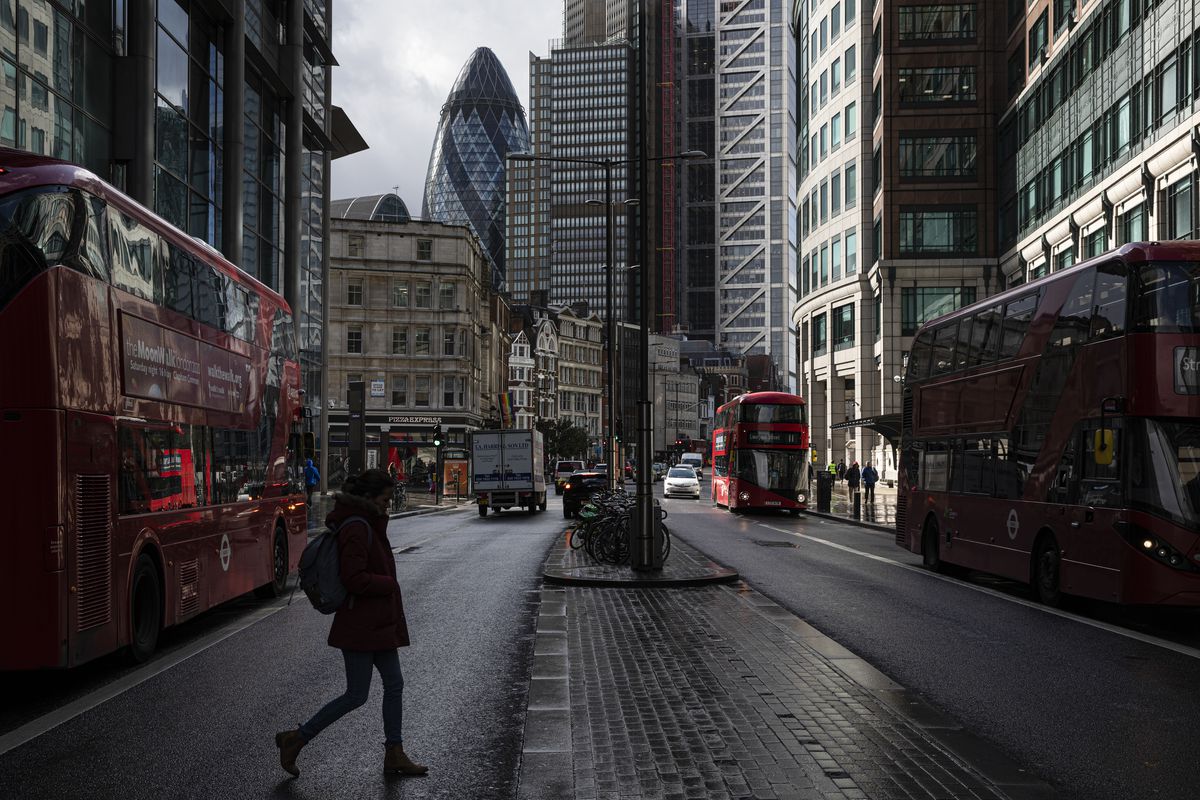
The article covered the beginning of arguments by phone during the pandemic.
Read More
The site reported on the WHO chief’s self-quarantine after contact with a person who tested positive.
Read More
The site published an article discussing possible smartphone data sharing.
Read More
The site published an article on the initiative described in the headline.
Read More
The site discussed the subject of hoax martial law emails in a coronavirus article.
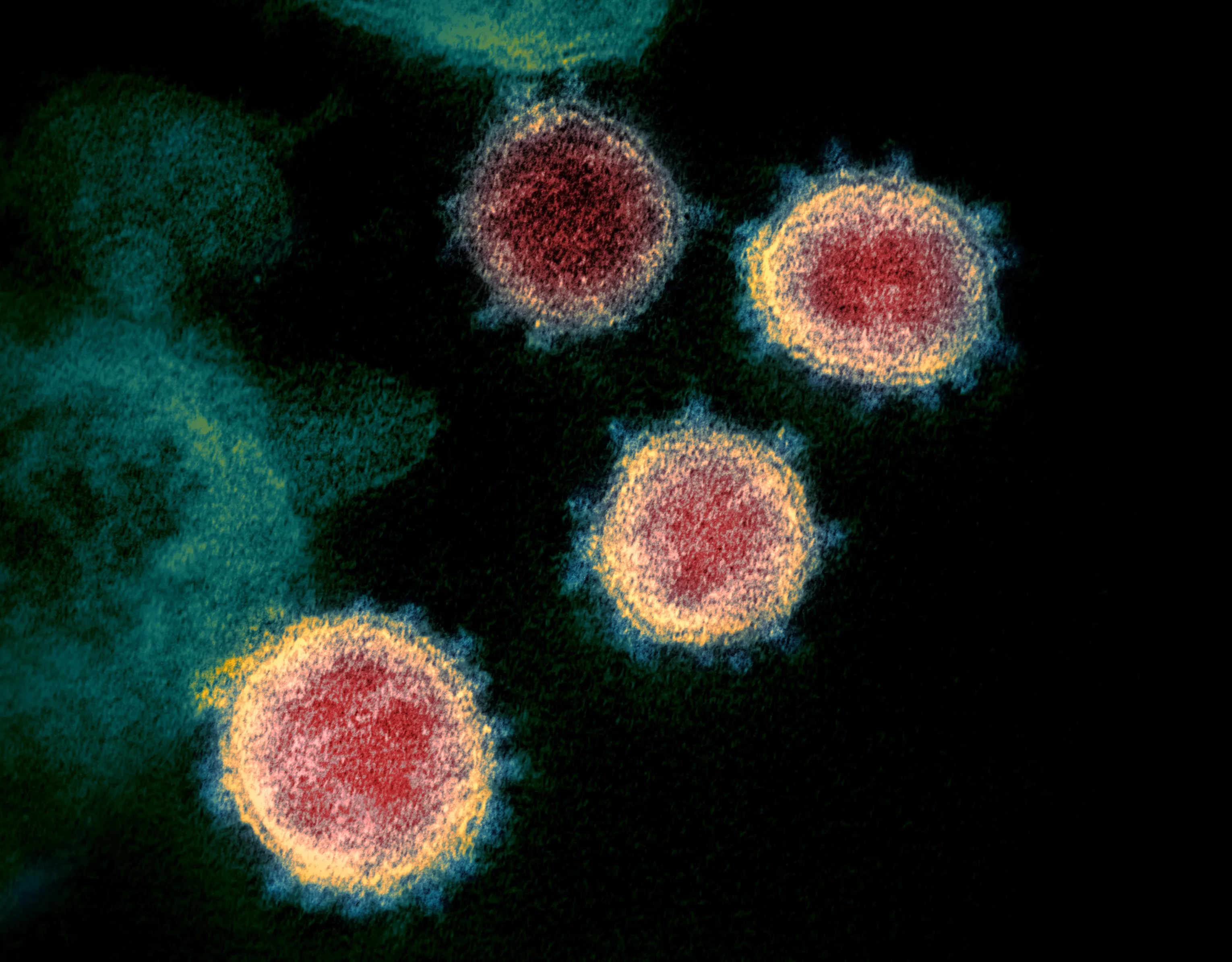
Read MoreA study finds COVID-19 immunity may last years after infection in some patients, with follow-up data indicating that several immune-memory signals can remain detectable well beyond the first year. The finding separates the fading of circulating antibodies from the body’s longer-lasting ability to recognise SARS-CoV-2.
Those forms of protection are different. Antibodies can decline relatively quickly, while memory B cells and T cells preserve a more durable capacity to mount a response. The research does not mean every recovered person is equally protected, or that infection is a substitute for vaccination and medical care.
For Australians, the findings must be considered alongside high rates of prior infection, booster uptake and exposure to multiple variants. Cities such as Sydney, Melbourne and Brisbane have also shaped how people encounter respiratory viruses through busy transport networks, workplaces, schools, aged-care settings and international travel.
The research tracked antibodies and memory immune cells over time, finding that some participants retained evidence of immune memory years after their initial infection. The duration and strength of this response varied considerably, showing why a single recovery timeline cannot describe every patient.
A falling antibody level did not necessarily erase the immune system’s memory of the virus. Memory B cells can remain available to produce new antibodies when needed, while T cells can recognise viral fragments and help coordinate a faster defensive response during later exposure.
The results also reveal important limits. People who experienced mild illness, received more vaccine doses or encountered a different viral variant may have produced different immune profiles. Where a headline supplies context without explaining methods, accessible background explainers can help readers understand terminology, but the original research and current Australian health guidance remain the essential references.
Antibodies circulate through blood and other body fluids, providing immediate protection by binding to the virus. Their levels often fall within months, particularly as new variants change the parts of the virus those antibodies recognise. This decline can make an infection more likely even when severe-disease protection remains partly intact.
Memory B cells operate on a different timescale. Some continue to evolve after infection, retaining the ability to recognise SARS-CoV-2 and rapidly produce antibodies if the virus returns. T-cell responses may also remain detectable for years because these cells recognise fragments of viral proteins rather than relying on the precise shape of the whole virus.
That distinction helps explain why reinfection remains possible while the risk of hospitalisation or death can be lower than during the first encounter. It also explains why vaccination remains valuable: it can reinforce memory responses, broaden variant recognition and reduce the chance that prior infection becomes the only source of protection.
Australian blood-donor studies, population surveys and research led by the Doherty Institute and the Florey Institute have found widespread evidence of past infection and vaccine-induced immunity. By the early 2020s, many adults had encountered SARS-CoV-2 at least once, often alongside one or more vaccine doses.
Daily life in major Australian cities created repeated opportunities for exposure. Peak-hour trains and trams in Sydney and Melbourne, crowded shopping districts in Brisbane and Perth, and shared accommodation or workplace settings in regional towns all increased contact with respiratory infections. International travel and major outbreaks introduced additional opportunities for encounters with new variants.
Protection was never evenly distributed. Older people, people with disability, immunocompromised residents and workers in crowded accommodation faced greater risks. Aboriginal and Torres Strait Islander communities also experienced barriers created by distance, housing conditions and limited access to clinical services, highlighting why national averages can conceal substantial local inequalities.
COVID-19 vaccines in Australia are assessed by the Therapeutic Goods Administration and supplied through Commonwealth arrangements, state and territory programs, general practices, pharmacies and Aboriginal Community Controlled Health Organisations. This mixed public and clinical delivery network continues to give eligible people access to updated vaccines through Medicare-funded services and private consultations.
COVID-19 remains part of Australia’s national notifiable-disease surveillance. State and territory Public Health Acts allow authorities to respond to outbreaks through measures such as testing, isolation and facility controls when a serious health risk is identified. Most border closures and broad quarantine mandates have been wound down, but the underlying public-health legislation remains available for future emergencies.
Australia’s labour market creates another practical consideration because there is no universal entitlement to paid sick leave. Casual, casual-contract and shift workers may feel pressure to attend work while infectious, while small businesses carry much of the cost when employees stay home. Mask use is now less routine in many public settings, though it remains common in some clinical and aged-care environments.
Broader reporting on the widening inequality gap in low-income countries shows why pandemic recovery cannot be measured only through antibody levels. Some communities faced overwhelmed hospitals, limited vaccine access and prolonged economic disruption, producing very different outcomes from those seen in Australia.
Questions about sexual and reproductive health also deserve careful study. A separate review of sexual and reproductive effects provides relevant context, although population-level findings do not predict the same outcome for every individual and do not replace assessment by a qualified clinician.
Long COVID adds another layer to the discussion. Persistent fatigue, breathlessness, cognitive difficulties and cardiovascular symptoms can continue after the acute infection, even when immune markers appear reassuring. These conditions require clinical evaluation rather than an assumption that remaining positive for antibodies means recovery is complete.
The study offers a nuanced account of immunity: prior infection can leave substantial immune memory, yet the level of protection changes with age, health, vaccination history, time and viral variants. Antibodies against the latest circulating strain may be more relevant to immediate transmission risk than memory cells retained from an older infection.
These distinctions can be summarised across the main sources of immune protection.
| Source of protection | What may persist | What may decline | Practical meaning |
|---|---|---|---|
| Previous infection | Memory B cells, T cells and sometimes antibodies | Circulating antibodies and neutralisation of new variants | May reduce the risk of severe disease, but reinfection remains possible |
| Previous vaccination | Memory B and T cells with protection against severe outcomes | Antibody levels and variant-specific neutralisation | Supports protection against hospitalisation, particularly when doses are current |
| Infection and vaccination | Broad immune memory and multiple ways of recognising the virus | Response can weaken over time or with substantial immune compromise | Can provide strong protection, although individual results still differ |
| Updated vaccination or booster | Can refresh antibody and cellular responses | Protection may wane as new variants emerge | Helps maintain protection for eligible older, vulnerable or exposed groups |
Signals that support longer-lasting protection
Habits that reduce preventable risk
For Australians, the most defensible view is neither complete invulnerability nor a loss of protection. Prior infection can create meaningful immune memory that lasts years, while updated vaccination and access to clinical care remain important safeguards for people facing the greatest risk.