
Venezuela using coronavirus as cover to crack down on dissent, report claims
A report from Human Rights Watch was featured among the site’s world news headlines.
Read MoreLive world news related to the coronavirus (COVID-19) pandemic, updated by the minute. Follow global developments, statistics, and selected cryptocurrency news.
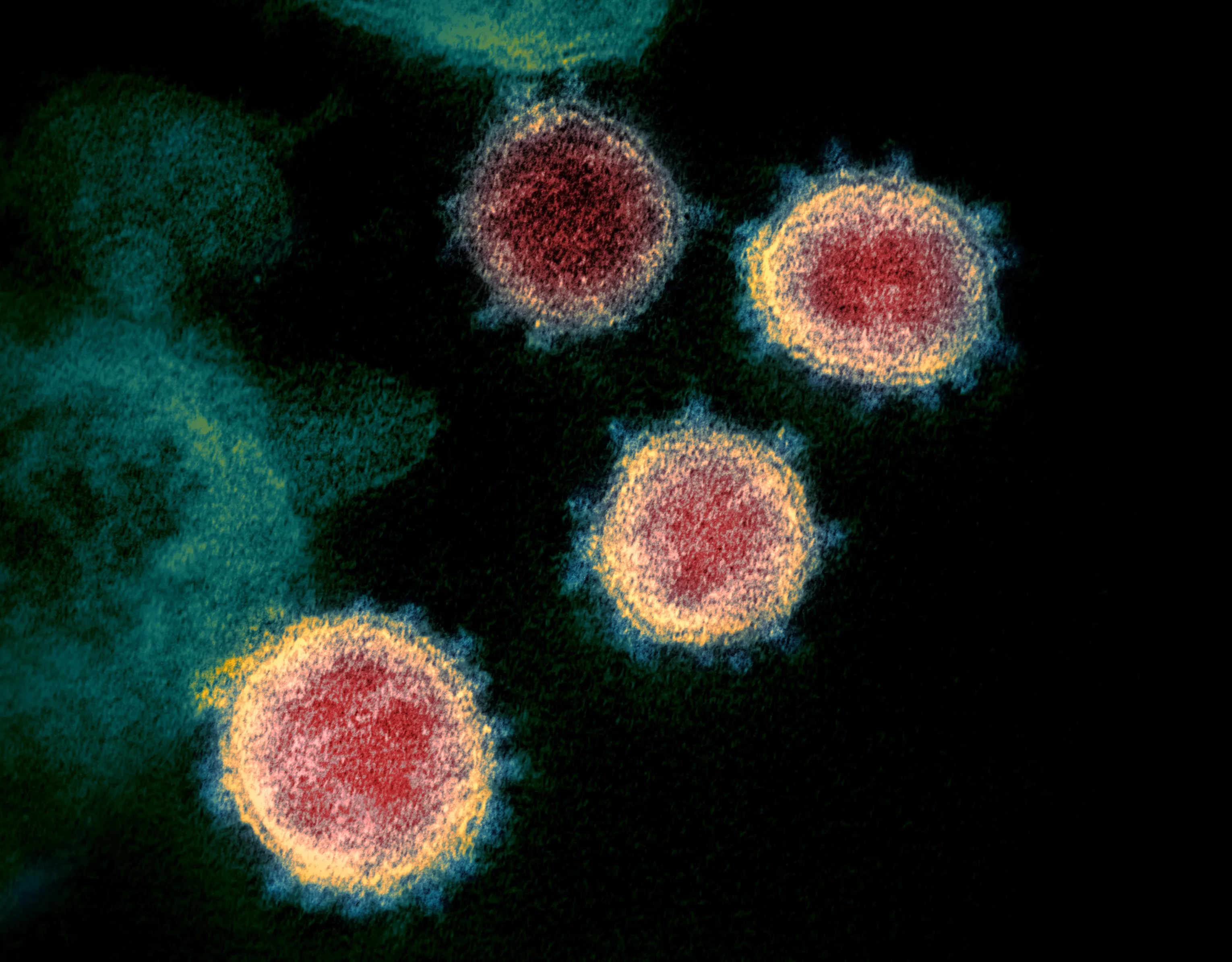

Read international coverage of the coronavirus pandemic and related global events.
Explore News
Visit the statistics section for data related to the coronavirus pandemic.
View Stats

Stay oriented with the site’s described live update format.
Read updates
A report from Human Rights Watch was featured among the site’s world news headlines.
Read More
The site featured this headline in its world news coverage.
Read More
The article covered the beginning of arguments by phone during the pandemic.
Read More
The site reported on the WHO chief’s self-quarantine after contact with a person who tested positive.
Read More
The site published an article discussing possible smartphone data sharing.
Read More
The site published an article on the initiative described in the headline.
Read More
The site discussed the subject of hoax martial law emails in a coronavirus article.
Read MoreA new study finds COVID-19 can cause erectile dysfunction and fertility issues, putting one of the pandemic’s less visible health burdens in sharper focus. The findings suggest that infection can affect blood vessels, hormone pathways and reproductive tissues, with some changes appearing during acute illness and others continuing into recovery. These effects can influence confidence, relationships and family planning, yet they are rarely included in routine conversations about COVID-19.
The headline should not be treated as a universal outcome or a diagnosis. Many people recover without sexual or reproductive problems, while anxiety, obesity, cardiovascular disease, age and medication use can complicate the picture. The research strengthens the biological case that infection can contribute to these conditions; it does not mean every person with long COVID will experience them. A clinician still needs to separate infection-related effects from other causes and assess each person’s symptoms.
The newly reported work points to connections between COVID-19 and changes in erectile function, semen quality and hormonal health. Some associations are strongest in people who had severe illness, high fever or marked inflammation, although effects have also been reported after apparently milder infections. Researchers are examining whether the same inflammatory and vascular processes that affect the lungs and heart can alter blood flow to the penis, disrupt testicular function or change the balance of reproductive hormones.
Not every finding in the study will be causal. Some comparisons rely on self-reported symptoms, medical records or semen samples collected at different stages of recovery, and lifestyle factors can vary substantially between groups. Even with those limitations, convergence across vascular studies, reproductive-medicine research and patient surveys gives the concern more weight. The practical message is that erectile dysfunction after infection should be taken seriously rather than dismissed as a temporary consequence of stress.
That message carries public-health significance because untreated symptoms can affect mental health, relationships and decisions about children. Poor communication about long-term effects can also delay care. Reporting of Brazil’s severity debate shows the wider damage when political leaders minimise COVID-19 and leave audiences unsure whether lasting symptoms deserve attention.
One of the strongest mechanisms is endothelial injury. The cells lining blood vessels regulate circulation, and COVID-19 can trigger inflammation, oxidative stress and small blood clots. The penis depends on healthy blood flow, so damage to this system may impair erections even when testosterone is adequate. Erectile problems can also be an early warning of future cardiovascular risk, making post-COVID assessment useful beyond sexual life. Doctors may therefore check blood pressure, glucose, cholesterol and cardiovascular history rather than issue treatment alone.
Fever and systemic inflammation can disturb sperm production, which is especially sensitive to heat and oxidative stress. Testicular inflammation or reduced blood supply may lower sperm count, movement or morphology for several weeks, while temporary changes in testosterone can affect desire and sexual performance. Because a full sperm cycle takes roughly 64 to 74 days, an early semen test may not show the eventual recovery pattern. Fertility clinicians often repeat testing after a suitable interval and interpret it alongside hormones, medical history and a second sample.
The effects are not confined to men. Severe COVID-19 has been followed by menstrual disruption, altered libido and, in some reports, impaired ovarian function. Hospitalisation, sedation and intensive treatment can also affect sexual well-being through fatigue, pain and changed body image. Antiviral medicines, corticosteroids and other drugs may contribute to sexual side effects in certain cases, while depression, anxiety and relationship strain often amplify the problem. A careful medication and mental-health review is therefore part of a sound assessment.
In Australia, the usual first step is a GP consultation, with telehealth an established option for people who cannot attend in person. Medicare subsidises many GP appointments, and semen analysis is generally Medicare-funded when ordered by an eligible practitioner and performed by an appropriate laboratory. Public hospital clinics in Sydney and Melbourne provide specialist services, although waiting times can be long. Private urologists, endocrinologists and fertility specialists may be faster and are often part of a mixed public-private market.
Daily life can affect both infection risk and access to care. Long train or tram commutes, crowded CBD offices and time spent in busy gyms have shaped how many Sydney and Melbourne residents encounter respiratory infections. Hybrid work can make telehealth easier, while pharmacy consultations are a familiar route for repeat prescriptions and over-the-counter products. During an acute infection, staying home when unwell and contacting a clinician early about antiviral treatment remain practical steps under current Australian health guidance.
Cost and consumer protection matter too. Some erectile-dysfunction medicines are available through the Pharmaceutical Benefits Scheme for eligible patients, while private prescriptions and discount pharmacies influence what consumers pay. The Therapeutic Goods Administration regulates therapeutic goods and medicines sold in Australia, while the Therapeutic Goods Advertising Code governs most consumer advertising. Legally supplied prescription medicines should follow an Australian-authorised pharmaceutical supply process. Online offers of “testosterone boosters,” herbal remedies or imported ED drugs deserve close scrutiny because registration does not prove that a supplement treats fertility problems. RANZCOG and the Australian Society for Reproductive Medicine provide relevant specialist guidance for patients comparing public and private care.
Vaccination remains an important layer of protection against severe disease and its complications. For pregnant and breastfeeding women, the US CDC’s position summarised in CDC vaccination advice supports vaccination as part of routine maternal care. Australian patients should follow current advice from the Australian Technical Advisory Group on Immunisation and their clinician, since local eligibility, formulations and schedules may differ from US guidance. The same applies to people planning a pregnancy or trying to conceive.
Early treatment can reduce the chance that infection becomes severe, which may also lessen downstream sexual and reproductive effects. Antivirals need to be started promptly and are not suitable for everyone because of kidney function, other medicines and pregnancy considerations, so a clinician should make the decision. People who test positive should contact a GP or urgent-care service promptly rather than wait for symptoms to become severe. A positive result after recent travel or exposure is also a reason to ask about infectiousness while protecting household members.
Recovery should be treated as a staged process. Rest, regular sleep, balanced meals, gradual exercise and avoiding smoking or heavy alcohol can support cardiovascular and hormonal health. People resuming sexual activity should use their own pace and seek help if pain, swelling or persistent symptoms occur. None of these measures replaces treatment for erectile dysfunction or infertility, and no supplement currently has convincing evidence for reversing COVID-related reproductive injury.
People should arrange a medical review if erectile problems continue after recovery, recur, or come with reduced libido, testicular discomfort, urinary changes or fertility concerns. A GP can order semen analysis and blood tests, review medications and refer to a urologist, endocrinologist or fertility specialist. In Australia, the usual fertility timeline is 12 months of trying for people under 35 and six months for those over 35, with earlier review advised when there is a known medical or surgical risk factor. Local fertility clinics can tailor testing to both partners rather than treating semen or hormone results in isolation.
Some symptoms need urgent attention. New facial drooping, one-sided weakness, chest pain, severe shortness of breath or sudden loss of vision may indicate an emergency unrelated to sexual health. Acute severe testicular pain also requires prompt assessment. Even when no emergency is present, recurring erection problems deserve evaluation because they may point to diabetes, damaged blood vessels, low testosterone or psychological distress that has not been addressed.
Readers often encounter medical claims through general online resources such as 1Tomy online information, where an attractive headline can blur the line between research and advertising. Reliable interpretation comes from the original paper, clinical guidelines and an Australian-registered health professional, not from supplements, testimonials or promises of rapid reversal. Support from a partner, a psychologist or a GP can also reduce anxiety and help people describe symptoms clearly. Persistent sexual or fertility problems deserve assessment rather than quiet endurance, because treatable causes can be identified and early care can protect future health.