
Venezuela using coronavirus as cover to crack down on dissent, report claims
A report from Human Rights Watch was featured among the site’s world news headlines.
Read MoreLive world news related to the coronavirus (COVID-19) pandemic, updated by the minute. Follow global developments, statistics, and selected cryptocurrency news.
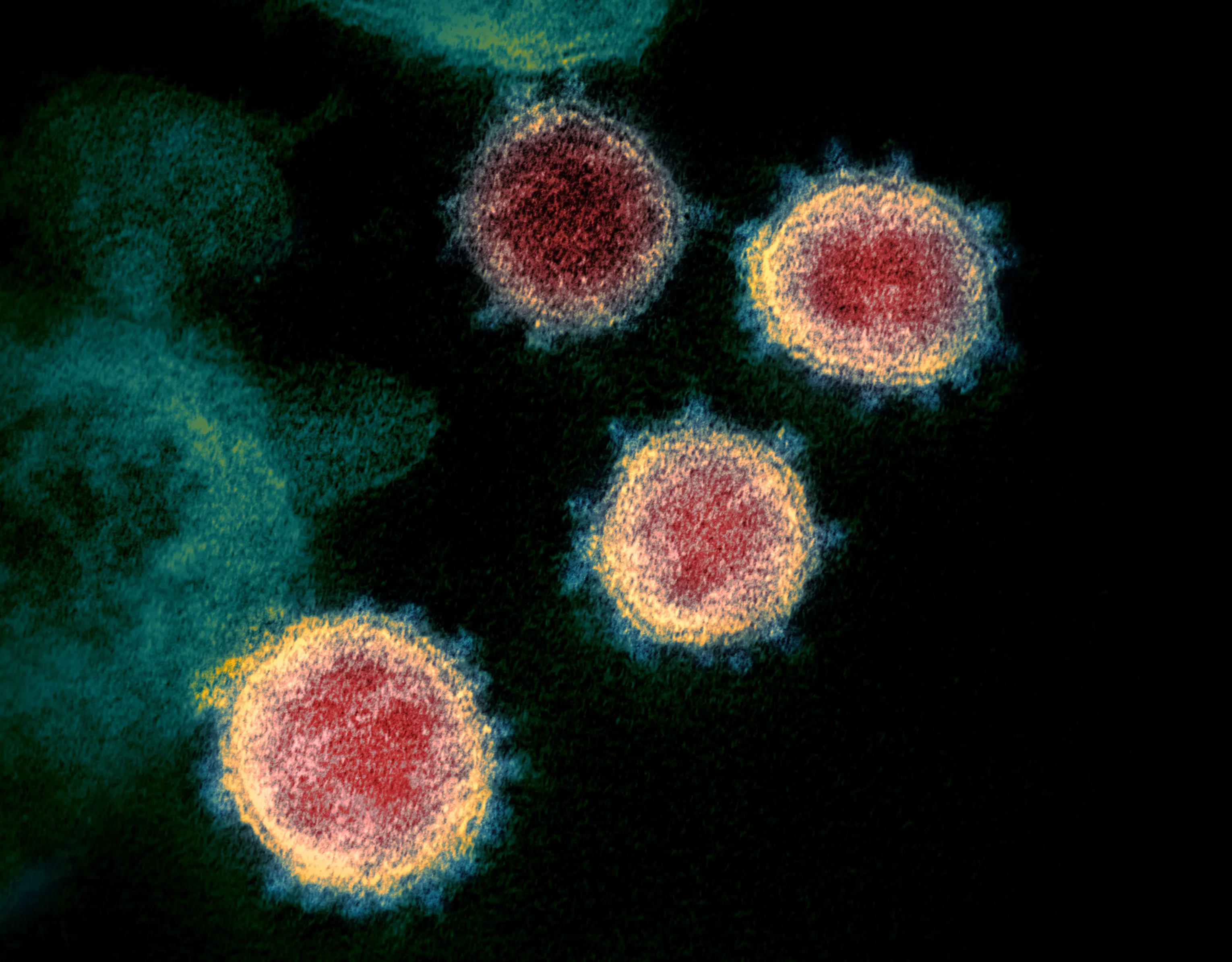
Read international coverage of the coronavirus pandemic and related global events.
Explore News
Visit the statistics section for data related to the coronavirus pandemic.
View Stats
Stay oriented with the site’s described live update format.
Read updates
A report from Human Rights Watch was featured among the site’s world news headlines.
Read More
The site featured this headline in its world news coverage.
Read More
The article covered the beginning of arguments by phone during the pandemic.
Read More
The site reported on the WHO chief’s self-quarantine after contact with a person who tested positive.
Read More
The site published an article discussing possible smartphone data sharing.
Read More
The site published an article on the initiative described in the headline.
Read More
The site discussed the subject of hoax martial law emails in a coronavirus article.
Read MoreThe US Centers for Disease Control and Prevention has continued to support COVID-19 vaccination during pregnancy, with guidance also covering people who are breastfeeding. The advice reflects evidence that infection can cause serious illness during pregnancy, while vaccination helps reduce the risk of hospitalisation and may provide antibodies that cross the placenta or enter breast milk.
For Australian readers, the practical question is usually less about the American headline and more about what to do in a local GP clinic, chemist or antenatal service. Advice can change with circulating variants, vaccine availability and national recommendations, so pregnant and breastfeeding people should discuss timing and product choice with a doctor, midwife or other qualified health professional.
Pregnancy changes the body’s immune, heart and lung function. That can make respiratory infections harder to manage, particularly later in pregnancy or when other conditions such as asthma, diabetes or high blood pressure are present. COVID-19 has been associated with a greater likelihood of severe disease, intensive care, preterm birth and other pregnancy complications compared with infection in people who are not pregnant.
The CDC’s position has been that the benefits of an updated COVID vaccine generally outweigh known or potential risks for pregnant people. Vaccination can be given during any trimester, and it does not need to be postponed simply because someone is pregnant. A clinician may still consider previous doses, recent infection, medical history and the vaccine currently available.
The recommendation for breastfeeding women is similarly reassuring. COVID vaccines do not cause COVID-19 infection, and there is no established reason to stop breastfeeding after vaccination. Antibodies generated by the parent may be detectable in breast milk, although this should not be treated as a guaranteed shield against infection for the baby.
US public health advice is not automatically Australian medical advice. In Australia, the Australian Technical Advisory Group on Immunisation, the Therapeutic Goods Administration and state health departments shape local recommendations. A woman living in Parramatta, Ballarat or Cairns may therefore receive guidance based on Australian eligibility rules and the products supplied through the local health system.
Available monitoring has not identified a higher risk of miscarriage caused by an mRNA COVID vaccine. Large safety systems have examined outcomes such as pregnancy loss, birth defects, premature delivery and low birth weight. As with any medicine, a vaccine can cause short-term reactions, including a sore arm, fatigue, headache, chills or fever.
A fever during pregnancy should be taken seriously, particularly if it is high, persistent or accompanied by breathing difficulty, chest pain, confusion or reduced fetal movement. Most post-vaccination symptoms settle within a day or two, but urgent medical care is appropriate for severe allergic reactions or other worrying symptoms. A maternity team can explain which fever-reducing medicines are suitable.
Vaccination does not remove every possibility of infection. Its main value is lowering the chance of severe outcomes, and protection can vary as the virus evolves. Masks, ventilation, staying home when unwell and avoiding close contact with someone who has a respiratory infection remain sensible during a COVID wave, especially in crowded indoor settings.
A prenatal vaccine is not a replacement for a balanced diet or prescribed supplement. People comparing general wellness products should also read evidence-based material about daily multivitamin pros and cons, since some supplements contain excessive amounts of particular nutrients or are unsuitable in pregnancy. Folic acid, iodine, iron and vitamin D needs should be discussed with a clinician rather than managed through guesswork.
Breastfeeding parents can generally continue feeding after receiving a COVID vaccination. There is no recommendation to discard breast milk or separate a healthy vaccinated parent from a baby solely because a vaccine was administered. If the parent feels unwell, practical help with feeds, rest and hydration can make the first 24 hours easier.
The antibodies found in breast milk are part of passive immune protection, but they do not replace the baby’s routine vaccinations or a parent’s infection-control measures. Newborns are especially dependent on adults in the household to reduce exposure. Washing hands before handling the baby, improving airflow and asking sick visitors to stay away are straightforward precautions.
Australian families often have to balance public health advice with real schedules: an antenatal appointment at a hospital in Melbourne, a long drive to a regional clinic in western New South Wales, or a pharmacy visit squeezed between school pick-up and an arvo shift. A GP or midwife can help coordinate COVID vaccination with influenza and pertussis vaccination, where appropriate, so appointments are easier to manage.
A breastfeeding person who has recently had COVID may need individual advice about the timing of a later dose. Previous infection can affect the recommended interval, but it is not a reason to assume that future vaccination is unnecessary. The right schedule depends on current Australian guidance, age, health risks and the person’s immunisation record.
Pregnancy-related vaccine discussions attract intense online attention because parents reasonably want clear information about a developing baby. Reliable evidence comes from safety surveillance, clinical studies, national immunisation bodies and conversations with qualified clinicians. A social media post, anonymous screenshot or video testimonial cannot establish whether a medical event was caused by vaccination.
During the pandemic, false claims about compulsory injections, secret detention powers and fabricated government emails spread widely. Readers can review the background to one such episode in the report on martial law email claims, while remembering that older misinformation may resurface in new formats.
A useful check is to ask who produced the claim, when the information was updated, what evidence is cited and whether reputable Australian health authorities agree. Claims that promise certainty, demand immediate sharing or present every side effect as proof of harm deserve extra caution. The same applies to posts claiming that vaccines guarantee complete protection.
People may have genuine concerns about fertility, miscarriage, heart inflammation or ingredients. Those questions should be answered directly rather than dismissed. A GP, obstetrician, Aboriginal health practitioner, pharmacist or midwife can explain the difference between a known adverse event, a coincidental illness and a risk that has been observed but remains rare.
The first step is to check the current advice from a trusted Australian provider. A GP can review pregnancy stage, prior COVID doses, previous infection, allergies and conditions such as immune suppression. In some parts of Australia, community pharmacies provide COVID vaccinations for eligible groups, while hospital antenatal clinics and Aboriginal Community Controlled Health Services may offer additional support.
Access differs between metropolitan and regional areas. Someone near the Royal Women’s Hospital in Parkville may have several specialist services nearby, whereas a pregnant person in the Kimberley or far north Queensland may need to coordinate a vaccine with a visiting service or regional health centre. Travel distance, appointment availability and cold-chain supply can affect the practical timing without changing the underlying safety discussion.
The cost and booking process can also vary. Public programs, Medicare-linked services, state-run clinics and private practices do not always offer identical products or appointment systems. Calling ahead to a chemist is sensible, particularly when an updated formulation has recently arrived or demand rises before winter. Keeping the Australian Immunisation Register record current can help a provider determine what has already been received.
A clinician may recommend vaccination at a particular point based on the person’s previous dose and the current season. Someone who is due to give birth soon may ask whether vaccination still has value, while another person may need advice about spacing it from influenza or pertussis immunisation. These decisions are personal and should be documented in the antenatal record.
COVID vaccination during pregnancy sits within a broader maternal and newborn health plan. Regular antenatal care, screening, appropriate supplements, safe food practices, smoking cessation and prompt assessment of warning signs all matter. A vaccine appointment should complement that care rather than become a substitute for it.
The origins of SARS-CoV-2 remain a separate scientific and political question from whether vaccination is useful during pregnancy. New reporting can renew public debate, including the lab-leak report discussion, but uncertainty about the earliest events of the pandemic does not by itself overturn clinical evidence on vaccine safety and immune response.
For an Australian household, the decision may involve a partner, older children, grandparents and workplace exposure. A partner working in a hospital, a parent commuting on Sydney trains or a family preparing for a winter gathering around the MCG may face different exposure patterns. Ventilation, testing when symptomatic and staying home while ill remain useful layers of protection.
The most dependable approach is to treat the US CDC recommendation as part of the international evidence base, then apply current Australian guidance to the individual situation. A pregnant or breastfeeding person who has questions about a dose, a reaction or the timing of vaccination should contact their GP, midwife, obstetric team or pharmacist.
| Situation | Practical point | Who can help |
|---|---|---|
| Pregnant and considering vaccination | Review current Australian eligibility, previous doses and medical history | GP, midwife or obstetrician |
| Breastfeeding after vaccination | Breastfeeding can generally continue; monitor how you feel and seek advice for unusual symptoms | GP, maternal health nurse or pharmacist |
| Recent COVID infection | Ask about the recommended interval before another dose | Vaccination provider or treating doctor |
| Fever or severe symptoms | Seek prompt medical advice, especially with breathing trouble or reduced fetal movement | Emergency service, hospital or maternity team |
| Rural or remote access | Contact the local health service early to check supply and appointment timing | Regional clinic, Aboriginal health service or pharmacy |
| Conflicting online claims | Check the date, source and supporting evidence before acting | Health professional and official public health information |