
Venezuela using coronavirus as cover to crack down on dissent, report claims
A report from Human Rights Watch was featured among the site’s world news headlines.
Read MoreLive world news related to the coronavirus (COVID-19) pandemic, updated by the minute. Follow global developments, statistics, and selected cryptocurrency news.
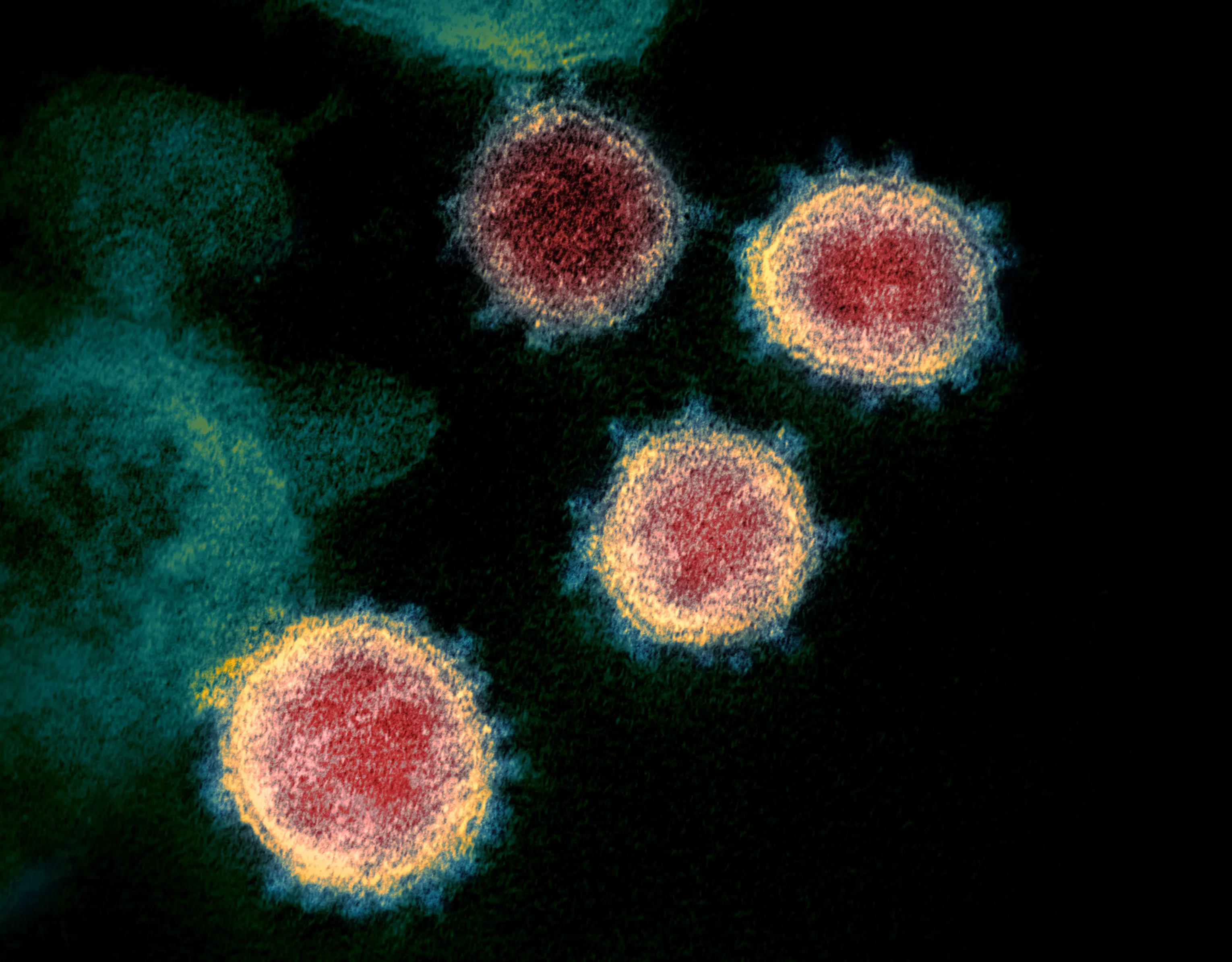

Read international coverage of the coronavirus pandemic and related global events.
Explore News
Visit the statistics section for data related to the coronavirus pandemic.
View Stats

Stay oriented with the site’s described live update format.
Read updates
A report from Human Rights Watch was featured among the site’s world news headlines.
Read More
The site featured this headline in its world news coverage.
Read More
The article covered the beginning of arguments by phone during the pandemic.
Read More
The site reported on the WHO chief’s self-quarantine after contact with a person who tested positive.
Read More
The site published an article discussing possible smartphone data sharing.
Read More
The site published an article on the initiative described in the headline.
Read More
The site discussed the subject of hoax martial law emails in a coronavirus article.
Read MoreReports of unusual blood clots after some COVID-19 vaccinations prompted an urgent international health investigation in 2021. The events were rare, but their combination with low platelet levels created a serious safety signal that required rapid analysis by the World Health Organization, national regulators and independent medical researchers.
The condition became known as thrombosis with thrombocytopenia syndrome, or TTS. It was reported most often after adenovirus-vector vaccines, including AstraZeneca’s Vaxzevria and Johnson & Johnson’s Janssen vaccine. The investigation focused on how frequently the syndrome occurred, who faced the greatest risk, how it could be recognised early and whether vaccination guidance needed to change.
For Australians, the issue was closely connected to decisions made by the Therapeutic Goods Administration, the Australian Technical Advisory Group on Immunisation and state health departments. People in Sydney, Melbourne, Brisbane and regional areas were asked to weigh a very small vaccine risk against the much larger health threat posed by COVID-19 infection, hospitalisation and long-term complications.
The signal emerged when clinicians in several countries noticed patients developing clots in unusual locations, particularly veins that drain the brain and vessels in the abdomen. These cases were accompanied by thrombocytopenia, meaning an abnormally low platelet count. Platelets help control bleeding, so the combination of clotting and low platelets appeared medically unusual.
The WHO worked with regulators and research groups to establish whether the cases represented a causal vaccine-related syndrome or a coincidental cluster. Investigators reviewed clinical records, vaccination histories, laboratory results and background rates of clotting disorders. They also compared reports across countries because a rare event can be difficult to identify from a single national database.
The investigation did not mean that every clot reported after vaccination was caused by a vaccine. Blood clots occur naturally, and common risk factors include surgery, pregnancy, cancer, inherited clotting disorders, smoking, prolonged immobility and hormonal medicines. The key question was whether the pattern, timing and laboratory findings were more frequent or distinctive than expected.
TTS generally appeared within several days to a few weeks after vaccination. Warning symptoms included a severe or persistent headache, blurred vision, chest pain, breathlessness, severe abdominal pain, leg swelling or unusual bruising. Pinpoint red marks on the skin, known as petechiae, could also signal a platelet problem.
Medical attention was particularly important when symptoms were intense, worsening or unusual for the individual. A standard headache after vaccination was not automatically evidence of a clot, yet a new headache that did not respond to ordinary pain relief, especially with neurological symptoms, required assessment. Clinicians could order blood tests, including a platelet count and D-dimer measurement, followed by imaging where appropriate.
Treatment differed from that used for ordinary venous thromboembolism. Because TTS involved low platelets and a suspected immune reaction, doctors needed to choose anticoagulants and other therapies carefully. Early recognition improved the chance of recovery, while delaying treatment could allow a cerebral or abdominal clot to become life-threatening.
Safety researchers used several forms of evidence at once. Passive reporting systems helped identify unusual patterns, while active surveillance and linked health records provided stronger estimates of incidence. Case definitions were refined so that researchers were comparing similar clinical events rather than grouping every post-vaccination symptom together.
The suspected mechanism involved antibodies that activated platelets, resembling a rare reaction associated with heparin exposure. This helped explain why clotting and low platelets could appear together. The mechanism remained an area of scientific study, and researchers continued examining genetic, immune and demographic factors that might explain why only a very small number of vaccinated people developed the syndrome.
Risk communication had to remain precise. Describing TTS as “rare” did not mean “impossible”, while describing it as a vaccine safety signal did not mean vaccination was broadly unsafe. The WHO and national regulators therefore updated product information, issued clinical alerts and encouraged clinicians to report suspected cases so that the evidence could improve.
Australia’s TGA monitored international reports and local cases through its vaccine safety surveillance programme. ATAGI also reviewed the balance between vaccine benefits and potential adverse events, taking age, available vaccine products, community transmission and the severity of COVID-19 into account. Advice changed as more evidence became available.
For many Australians, the practical effect was a shift in which vaccines were preferred for particular age groups. During periods when mRNA vaccines were available, Pfizer and Moderna products were generally favoured for younger adults because the TTS signal was associated mainly with adenovirus-vector vaccines. AstraZeneca remained an important part of the early national rollout, especially when supply was limited and rapid protection was needed.
The local market also shaped public discussion. Vaccination bookings moved through state portals, GP clinics, Aboriginal Community Controlled Health Services, pharmacies and mass hubs such as Sydney Olympic Park and the Melbourne Convention and Exhibition Centre. People often compared advice from their GP with information from the TGA, health departments and news coverage before deciding whether to accept a first dose, a second dose or a later booster.
The absolute risk of TTS was very low, but COVID-19 itself increased the risk of blood clots and severe inflammatory illness. During major outbreaks, hospitals in New South Wales and Victoria faced pressure from large numbers of infections, while border restrictions, quarantine requirements and changing public health rules affected work, travel and family life. These conditions influenced the benefit-risk calculation at different points in the pandemic.
Risk also varied by age, sex, circulating virus and the vaccine options available at the time. A recommendation made during the Delta wave could change when community transmission fell or when newer vaccines entered the Australian programme. That is why older headlines should be read alongside the date, product and population they describe.
People living with persistent symptoms after COVID-19 or vaccination may also encounter a wide range of explanations online. Conditions involving the autonomic nervous system can involve symptoms such as dizziness, heart-rate changes or abnormal pain, but these descriptions do not establish a blood clot or prove that a vaccine caused a particular illness. Clinical assessment remains essential when symptoms are sudden, severe or progressive.
The investigation into rare clotting events demonstrated why vaccine safety monitoring continues after a product is authorised. Regulators assess reports during initial trials, national rollouts and later booster campaigns. They also track changes in virus variants, immune protection, age-specific risks and the performance of updated formulations.
Booster policy has evolved as immunity wanes and SARS-CoV-2 changes. Australians following current product information can review reporting on updated booster targeting, while checking official Australian recommendations for eligibility, timing and access. A booster’s formulation and its safety profile should not automatically be treated as identical to an earlier vaccine platform.
Pharmacovigilance depends on people reporting suspected adverse events and clinicians documenting them accurately. A report does not prove causation, but a large collection of well-described reports can reveal patterns that controlled studies later test. This process can lead to new warnings, revised eligibility advice, additional screening questions or changes in preferred products.
The central lesson from the WHO investigation was that rare adverse events deserve serious attention even when vaccines provide substantial protection overall. A responsible safety system investigates the signal, estimates the absolute risk, identifies symptoms that need urgent care and adjusts recommendations when the balance changes.
The figures below distinguish TTS from more common clotting conditions and from expected short-term vaccine reactions. They are broad clinical comparisons rather than personal risk estimates. Rates have varied by product, age group, sex, dose and surveillance method, so official Australian advice remains the appropriate reference for current decisions.
| Feature | TTS after selected vaccines | Ordinary venous clot | Common short-term vaccine reaction |
|---|---|---|---|
| Main problem | Clotting with low platelets | Clotting, usually without low platelets | Immune response without a clot |
| Typical locations or signs | Brain veins, abdominal veins, severe headache or abdominal pain | Leg veins or lungs, leg swelling or breathlessness | Sore arm, fatigue, fever or muscle aches |
| Usual timing | Often several days to a few weeks after vaccination | Any time, depending on risk factors | Usually within one to three days |
| Key tests | Platelet count, D-dimer, imaging and specialised antibody testing | Imaging, blood tests and clinical assessment | Usually no special testing required |
| Urgency | Emergency assessment is needed for warning symptoms | Urgent medical assessment is needed | Self-care is often sufficient unless severe or persistent |
| Public health response | Safety alerts, case investigation and product guidance | Treatment and evaluation of underlying risks | Routine monitoring and symptom advice |
A severe headache, chest pain, breathlessness, neurological change, major abdominal pain or unusual bruising after vaccination should never be dismissed through online speculation. In Australia, urgent medical care is available through emergency departments and health services, while suspected vaccine reactions can be reported through the TGA’s reporting channels. Careful investigation protects confidence more effectively than either alarmism or silence.