
Venezuela using coronavirus as cover to crack down on dissent, report claims
A report from Human Rights Watch was featured among the site’s world news headlines.
Read MoreLive world news related to the coronavirus (COVID-19) pandemic, updated by the minute. Follow global developments, statistics, and selected cryptocurrency news.
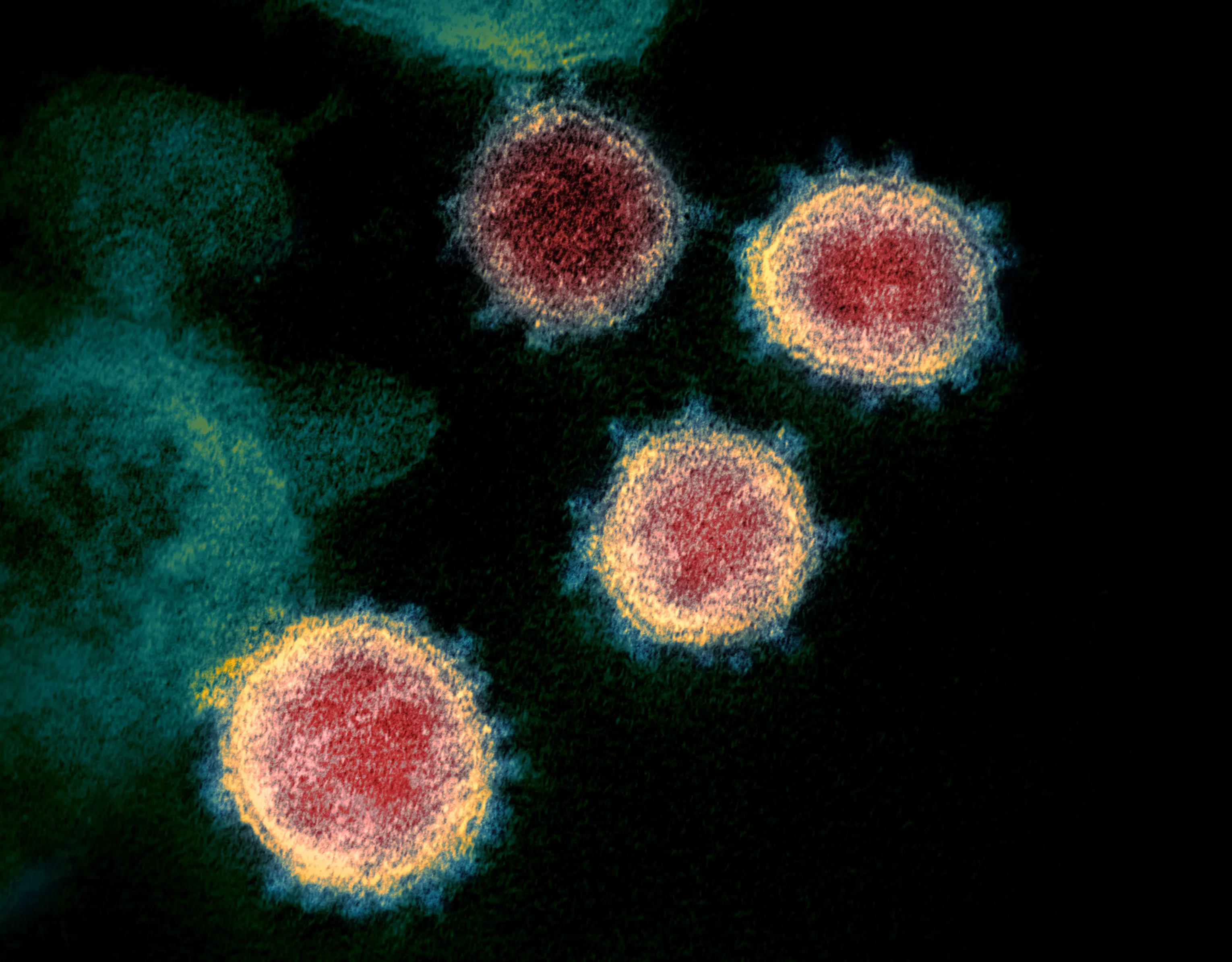

Read international coverage of the coronavirus pandemic and related global events.
Explore News
Visit the statistics section for data related to the coronavirus pandemic.
View Stats

Stay oriented with the site’s described live update format.
Read updates
A report from Human Rights Watch was featured among the site’s world news headlines.
Read More
The site featured this headline in its world news coverage.
Read More
The article covered the beginning of arguments by phone during the pandemic.
Read More
The site reported on the WHO chief’s self-quarantine after contact with a person who tested positive.
Read More
The site published an article discussing possible smartphone data sharing.
Read More
The site published an article on the initiative described in the headline.
Read More
The site discussed the subject of hoax martial law emails in a coronavirus article.
Read MorePfizer and Moderna have updated their COVID-19 booster vaccines to better match Omicron subvariants circulating after the first generation of vaccines was developed. The reformulated mRNA doses are intended to improve protection against symptomatic infection while continuing to reduce the risk of severe illness, hospitalisation and death.
The change reflects the way SARS-CoV-2 has evolved. Omicron and its descendants have become increasingly different from the strain used in the earliest vaccines, creating a need for seasonal-style updates that follow the dominant lineage. Pfizer’s Comirnaty and Moderna’s Spikevax use messenger RNA technology, allowing manufacturers to alter the genetic instructions used to train the immune system.
For Australians, availability and eligibility depend on advice from the Australian Technical Advisory Group on Immunisation, decisions by the Therapeutic Goods Administration and the national vaccination programme. Recommendations can differ according to age, medical risk, previous doses and the interval since a recent infection.
The original COVID-19 vaccines were designed against the virus first identified in Wuhan. They remained highly valuable for preventing serious disease, yet the virus continued to accumulate mutations in the spike protein. Omicron introduced a large number of changes, helping it spread among people with previous infection or vaccination.
Updated boosters focus on an Omicron lineage rather than the original strain alone. XBB.1.5-based formulations were among the major updates adopted internationally, while later descendants such as JN.1 and KP.2 led regulators and manufacturers to assess further seasonal adjustments. The precise target can vary by country and production cycle.
A closer match does not mean the vaccine prevents every infection. Immune protection naturally declines over time, and new subvariants may partially escape antibodies generated by an earlier formulation. The principal public health goal remains reducing severe outcomes, particularly among older adults, people with chronic conditions and those with weakened immune systems.
Pfizer’s updated Comirnaty booster and Moderna’s updated Spikevax booster use mRNA instructions that prompt cells to produce a harmless piece of the coronavirus spike protein. The immune system then develops antibodies and cellular responses without being exposed to a live virus. The mRNA is broken down by the body after it delivers its instructions.
Both companies have reported laboratory findings showing that updated doses produce stronger neutralising responses against the targeted Omicron family than older formulations. Laboratory results are useful for assessing the direction of protection, although they do not perfectly predict how many infections will occur in the community.
The vaccines continue to be monitored through safety reporting systems and post-market studies. Common reactions include a sore arm, tiredness, headache, muscle aches and a short-lived fever. Rare events such as myocarditis and pericarditis have been associated with mRNA vaccination, with risk patterns influenced by age, sex and dose timing. Anyone with concerns about a previous reaction should discuss the next dose with a GP or vaccination provider.
In Australia, the TGA assesses vaccine quality, safety and effectiveness, while ATAGI provides clinical advice about who should receive a dose and when. The National Immunisation Program has generally prioritised people at higher risk, including older Australians and those with particular health conditions. Guidance can change as evidence, circulating variants and vaccine supply change.
Appointments may be available through GPs, participating pharmacies, Aboriginal Community Controlled Health Services and state or territory clinics. In Sydney and Melbourne, pharmacies in busy shopping centres and transport corridors often provide convenient access, while regional Australians may rely more heavily on local medical practices or outreach services. Eligibility and booking arrangements should be checked through official Australian health channels because a product listed overseas may not be supplied locally.
COVID-19 vaccination is generally provided without an upfront charge to eligible people through public programmes, although access arrangements can vary for visitors, private patients and people outside the recommended groups. Australia’s private health market also includes travel clinics and workplace health providers, but a private appointment does not override national advice about suitable vaccine timing.
Updated boosters work best as one part of a broader prevention strategy. Staying home when unwell, improving ventilation and using a high-quality mask in crowded indoor settings can reduce exposure to COVID-19 and other respiratory viruses. These habits remain relevant on packed trains in Melbourne, during long commutes in Sydney and in enclosed venues during winter outbreaks.
Rapid antigen tests can help people decide whether to avoid contact with vulnerable relatives, although a negative result early in an illness does not rule out infection. Anyone with symptoms should consider testing and follow current workplace, school, aged-care and healthcare instructions. People who test positive should take particular care around older family members and those receiving immune-suppressing treatment.
Australian public health legislation has shifted since the emergency phase of the pandemic. Broad mandatory restrictions and many mask orders have ended, but state and territory health directions can still apply in hospitals, residential aged care, disability settings or during local outbreaks. Facilities may also impose their own infection-control rules within the law.
The end of the formal global emergency did not mean the virus disappeared; the WHO emergency decision marked a change in international management rather than a declaration that COVID-19 was harmless. Booster policy has consequently moved towards regular risk assessment instead of emergency-wide campaigns.
Protection after an updated dose develops over the following weeks, although the immune response begins earlier. The best interval depends on national guidance, age, previous vaccination, infection history and health status. Receiving a booster too soon after an infection may provide less additional benefit than waiting for the recommended period.
Hybrid immunity from vaccination and prior infection can offer meaningful protection, but it is unpredictable and should not be pursued deliberately. Reinfection remains possible, particularly when a new Omicron descendant spreads rapidly. Older adults and people with underlying conditions may experience serious disease even after several doses, which is why early access to antiviral treatment is important when they test positive.
Clinical studies and real-world surveillance continue to examine hospital admissions, emergency visits and protection against long COVID. The performance of an updated booster is measured against those outcomes, rather than infection numbers alone. Public health agencies also watch for rare adverse events, manufacturing issues and differences between age groups.
People with a history of severe allergic reaction to a vaccine ingredient, myocarditis after a previous mRNA dose or a serious immune disorder may need individual advice. A pharmacist or GP can review previous records and determine whether an mRNA vaccine, a different product or a delayed dose is more appropriate.
| Consideration | Pfizer Comirnaty | Moderna Spikevax | What it means for Australians |
|---|---|---|---|
| Vaccine technology | mRNA platform | mRNA platform | Both train the immune system without using live coronavirus |
| Variant strategy | Updated to reflect a selected Omicron lineage | Updated to reflect a selected Omicron lineage | The exact authorised formulation depends on the season and regulator |
| Main benefit | Reduces the risk of severe COVID-19 and may lower symptomatic infection risk | Reduces the risk of severe COVID-19 and may lower symptomatic infection risk | Protection is strongest against serious outcomes |
| Common reactions | Sore arm, fatigue, headache, aches and fever | Sore arm, fatigue, headache, aches and fever | Reactions usually settle within a few days |
| Access | Subject to TGA approval and Australian programme advice | Subject to TGA approval and Australian programme advice | Availability may differ between pharmacies, clinics and states |
| Timing | Based on age, risk, prior doses and recent infection | Based on age, risk, prior doses and recent infection | ATAGI guidance and a clinician’s advice should guide scheduling |
The move towards variant-matched boosters resembles the way influenza vaccines are reviewed and reformulated. It does not mean every new subvariant will require a new injection. Regulators consider how widely a strain is spreading, whether it causes more severe illness, how well existing immunity recognises it and whether a revised product offers a practical improvement.
Manufacturers are also studying combination vaccines, longer-lasting formulations and updated production methods. The goal is to make vaccination easier to schedule and more responsive to the viruses circulating in the community. Any new product still has to pass regulatory review before it can be used in Australia.
For households, the most important distinction is between personal protection and population-level risk. A booster may reduce the chance of serious disease for the recipient, while staying home when sick and improving indoor air quality can help protect workmates, passengers, students and relatives. These measures are especially useful during winter respiratory-virus seasons.
Pfizer and Moderna’s Omicron-focused updates therefore represent an adjustment to an evolving virus rather than a final solution. Australia’s vaccine recommendations, local supply and eligibility rules will continue to be shaped by variant surveillance, safety evidence and the level of protection needed by people at greatest risk.