
Venezuela using coronavirus as cover to crack down on dissent, report claims
A report from Human Rights Watch was featured among the site’s world news headlines.
Read MoreLive world news related to the coronavirus (COVID-19) pandemic, updated by the minute. Follow global developments, statistics, and selected cryptocurrency news.
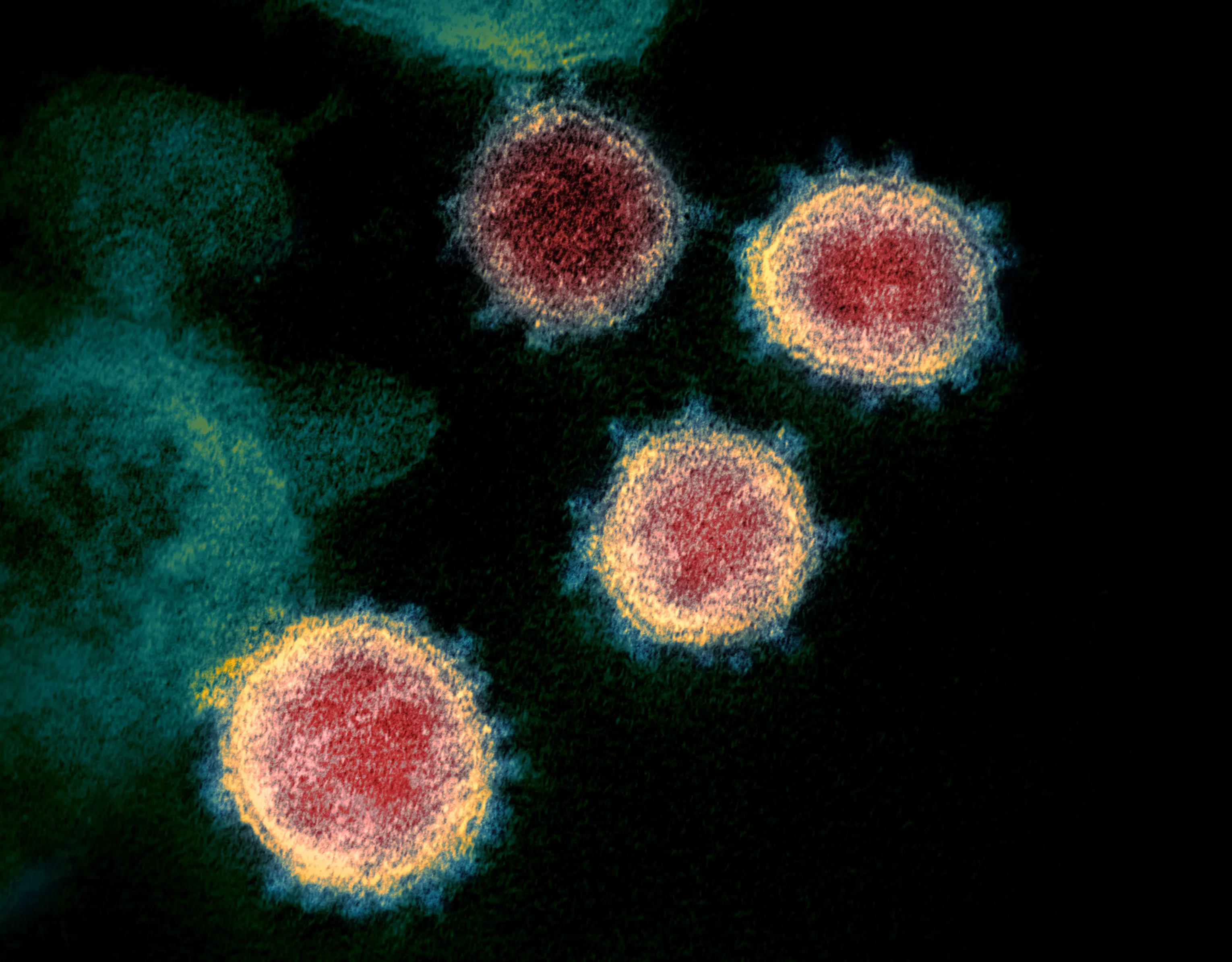

Read international coverage of the coronavirus pandemic and related global events.
Explore News
Visit the statistics section for data related to the coronavirus pandemic.
View Stats

Stay oriented with the site’s described live update format.
Read updates
A report from Human Rights Watch was featured among the site’s world news headlines.
Read More
The site featured this headline in its world news coverage.
Read More
The article covered the beginning of arguments by phone during the pandemic.
Read More
The site reported on the WHO chief’s self-quarantine after contact with a person who tested positive.
Read More
The site published an article discussing possible smartphone data sharing.
Read More
The site published an article on the initiative described in the headline.
Read More
The site discussed the subject of hoax martial law emails in a coronavirus article.
Read MoreThe COVID-19 pandemic drove a rapid expansion of telehealth as health systems searched for safer ways to provide medical advice, prescriptions and follow-up care. Video consultations, telephone triage, remote monitoring and secure messaging moved from specialised services into ordinary healthcare, often within weeks rather than years.
What began as an emergency response has become a lasting change in how patients and clinicians interact. The scale of adoption differs between countries, yet the same forces continue to shape digital healthcare: outbreaks, workforce shortages, long travel distances, ageing populations and demand for convenient access. In Australia, these pressures are especially visible across major cities, regional towns and remote communities.
Before 2020, telehealth was available in many countries but remained a small part of mainstream medicine. Patients often associated it with rural outreach, specialist consultations or experimental digital health programmes. COVID-19 changed that pattern when crowded waiting rooms became a potential source of infection and many routine appointments were postponed.
Health authorities, hospitals and private practices quickly introduced virtual appointments. Doctors used video calls to assess mild respiratory symptoms, manage chronic conditions and discuss test results. Nurses provided telephone screening, while pharmacists and clinics adopted electronic prescriptions and digital follow-up. In several countries, temporary reimbursement rules made remote consultations financially viable for providers who had previously lacked a clear payment model.
The convenience was immediately apparent. A patient could speak with a general practitioner without commuting, arranging parking or sitting in a waiting room with vulnerable people. Clinicians could monitor several patients who were isolating at home and identify those who needed in-person assessment. Telehealth also helped preserve continuity of care during lockdowns, especially for people managing diabetes, asthma, cardiovascular disease or mental health conditions.
Adoption did not mean that physical healthcare became unnecessary. Examinations, imaging, surgery, vaccinations and emergency treatment still require facilities and trained staff. The most effective model has therefore been hybrid care, combining digital consultations with face-to-face appointments when clinical judgement, physical examination or treatment demands it.
Australia entered the pandemic with a large geography and uneven access to medical services. Residents of Sydney, Melbourne, Brisbane, Perth and Adelaide could often reach multiple providers, while people in the Northern Territory, Western Australia’s regional centres and remote communities faced long journeys for specialist care. Telehealth offered a practical way to reduce distance, although internet quality, device access and local clinical support affected the experience.
Medicare-subsidised telehealth expanded significantly during the pandemic, giving general practitioners and other providers a clearer pathway to offer telephone and video appointments. Many Australians became comfortable arranging care through a clinic website, receiving an electronic prescription and collecting medicine from a local pharmacy. For parents, older patients and people with mobility limitations, avoiding a long trip was a meaningful benefit even after restrictions eased.
Australian habits also influenced the way remote care developed. Families often balanced work, school drop-offs and caring responsibilities, making a short phone appointment easier to fit into the day than a visit across town. In regional areas, telehealth linked patients with metropolitan specialists while local nurses, Aboriginal health workers or general practitioners supported examinations and treatment on the ground.
The national market is now moving from simple video calling towards integrated platforms. Providers are investing in online booking, electronic records, remote patient monitoring and secure communication. However, the country still needs reliable broadband, culturally safe services and clear rules for rural and Indigenous communities. A digital appointment that works well in inner Melbourne may be far less useful where connectivity is unstable or patients prefer support from a trusted local health worker.
Telehealth can make healthcare more reachable for people who face transport, time or mobility barriers. It is useful for medication reviews, repeat prescriptions, counselling, follow-up after a procedure and early discussions about symptoms. People with infectious illnesses can receive advice while protecting others, and those living far from a hospital may obtain specialist guidance without repeated travel.
The model has also expanded access to psychological support. Video therapy and phone counselling became important during periods of isolation, uncertainty and financial stress. Some patients found the home environment more comfortable than a clinic, while others valued shorter waiting times. Remote monitoring devices can extend this support by transmitting blood pressure, glucose levels, oxygen saturation or heart rhythm data to a care team.
Benefits and trade-offs vary according to the type of appointment and the person receiving it.
| Area of care | Where telehealth helps | Where in-person care remains important |
|---|---|---|
| General practice | Triage, routine reviews, prescription discussions and test results | Physical examination, urgent symptoms and complex diagnosis |
| Mental health | Counselling, follow-up and medication support | Crisis assessment, intensive treatment and situations involving safety concerns |
| Chronic disease | Remote monitoring and regular coaching | Procedures, worsening symptoms and hands-on assessment |
| Specialist care | Second opinions and consultations across long distances | Imaging, surgery, rehabilitation and examinations requiring equipment |
| Public health | Outbreak advice, symptom screening and education | Vaccination clinics, emergency response and community outreach |
The digital divide remains a central concern. Older adults may be comfortable with a telephone but struggle with video platforms, passwords or online forms. People on low incomes may share a device or rely on limited mobile data. Deaf patients, people with limited English and those requiring an interpreter need platforms that support accessibility and professional assistance.
Privacy is another consideration. A consultation from a quiet room in a clinic may be more confidential than one conducted in a crowded home. Patients need to know how their information is stored, who can access recordings or messages and what happens if a connection fails. Good telehealth services make these limitations clear instead of presenting remote care as suitable for every situation.
The pandemic showed that health information must move quickly between patients, clinicians, laboratories and governments. Telehealth platforms became part of a wider digital health network that included online symptom checkers, exposure notifications, vaccination bookings and public dashboards. When integrated properly, these tools helped direct people to appropriate services and reduced pressure on emergency departments.
Remote care also made surveillance more flexible. Clinicians could identify clusters of respiratory illness through consultation trends, while patients could report symptoms without visiting a medical centre. This did not replace laboratory testing or official epidemiological systems, but it added another source of information during fast-moving outbreaks.
The quality of public communication matters greatly during a health emergency. Patients may encounter reports about new variants, changing treatment options and uncertain evidence within the same day. Specialist coverage of antibody treatment findings illustrates why clinical developments need careful explanation: promising results still require attention to study design, availability, safety and relevance to different patients.
Clinicians have also learned that digital contact can support infection control beyond COVID-19. During influenza seasons, telehealth can help assess mild cases and protect high-risk patients from unnecessary exposure. Similar systems may assist future responses to emerging respiratory viruses, provided they are supported by testing, clear escalation pathways and dependable public health messaging.
A remote consultation is still a medical encounter, with the same responsibilities around consent, confidentiality, record keeping and safe diagnosis. Clinicians must recognise when a video or phone assessment is insufficient and arrange an examination, testing or urgent referral. This requires training, appropriate technology and enough time to interpret what a patient says rather than treating telehealth as a quick administrative service.
Regulation has gradually become more mature since the first emergency measures. Health systems are defining provider licensing, prescribing standards, cross-border consultations and data protection requirements. In Australia, services must also consider Medicare eligibility, professional obligations and the practical realities of delivering care across state borders and remote regions. Clear standards can increase confidence among patients and clinicians while discouraging low-quality platforms.
Commercial pressure adds another layer. Digital health companies have developed symptom tools, subscription clinics, wearable devices and online pharmacies. Some improve access, while others risk fragmenting care or encouraging patients to seek a quick answer without a full medical history. The most reliable services connect with established clinicians and health records, explain limitations and provide a route to in-person treatment.
Public attention to financial markets can also influence technology investment. Reports about crypto market volatility show how quickly news of a new COVID-19 variant can affect sentiment beyond hospitals and laboratories. For digital health companies, abrupt market movements may change funding conditions, procurement plans and the pace of platform development, even when the underlying clinical need remains stable.
The long-term effect of COVID-19 is unlikely to be a complete replacement of clinics with screens. Instead, telehealth is becoming one layer in a broader system that includes local practices, hospitals, pharmacies, community services and home-based monitoring. Patients may begin with a phone call, move to a video assessment, attend a clinic for examination and continue recovery through digital check-ins.
This model can make health services more resilient during future outbreaks. Clinics can maintain routine care while separating infectious patients from vulnerable groups. Hospitals can use remote monitoring to support earlier discharge, and specialists can advise regional teams without travelling. Public health agencies can share updates through trusted digital channels while clinicians provide individual guidance.
The strongest systems will measure success through health outcomes rather than appointment numbers. Useful indicators include whether patients receive timely treatment, whether avoidable hospital visits fall, whether rural communities gain specialist access and whether vulnerable groups are excluded. A high volume of video consultations is not evidence of progress if patients cannot obtain a physical examination when needed.
For Australians, the future will depend on combining national digital infrastructure with local knowledge. A patient in central Sydney may want rapid online access after work, while someone near Mount Isa may need a telehealth link supported by a local clinic and reliable nursing staff. Both situations call for secure technology, clear clinical judgement and services designed around real communities.
COVID-19 accelerated a transformation that had already begun. Telehealth now sits closer to the centre of healthcare planning worldwide, offering speed and convenience while exposing gaps in access, privacy and continuity. Its enduring value will come from using digital tools where they improve care, then bringing patients and clinicians together in person whenever that remains the safest and most effective choice.