
Venezuela using coronavirus as cover to crack down on dissent, report claims
A report from Human Rights Watch was featured among the site’s world news headlines.
Read MoreLive world news related to the coronavirus (COVID-19) pandemic, updated by the minute. Follow global developments, statistics, and selected cryptocurrency news.
Read international coverage of the coronavirus pandemic and related global events.
Explore News
Visit the statistics section for data related to the coronavirus pandemic.
View Stats

Stay oriented with the site’s described live update format.
Read updates
A report from Human Rights Watch was featured among the site’s world news headlines.
Read More
The site featured this headline in its world news coverage.
Read More
The article covered the beginning of arguments by phone during the pandemic.
Read More
The site reported on the WHO chief’s self-quarantine after contact with a person who tested positive.
Read More
The site published an article discussing possible smartphone data sharing.
Read More
The site published an article on the initiative described in the headline.
Read More
The site discussed the subject of hoax martial law emails in a coronavirus article.
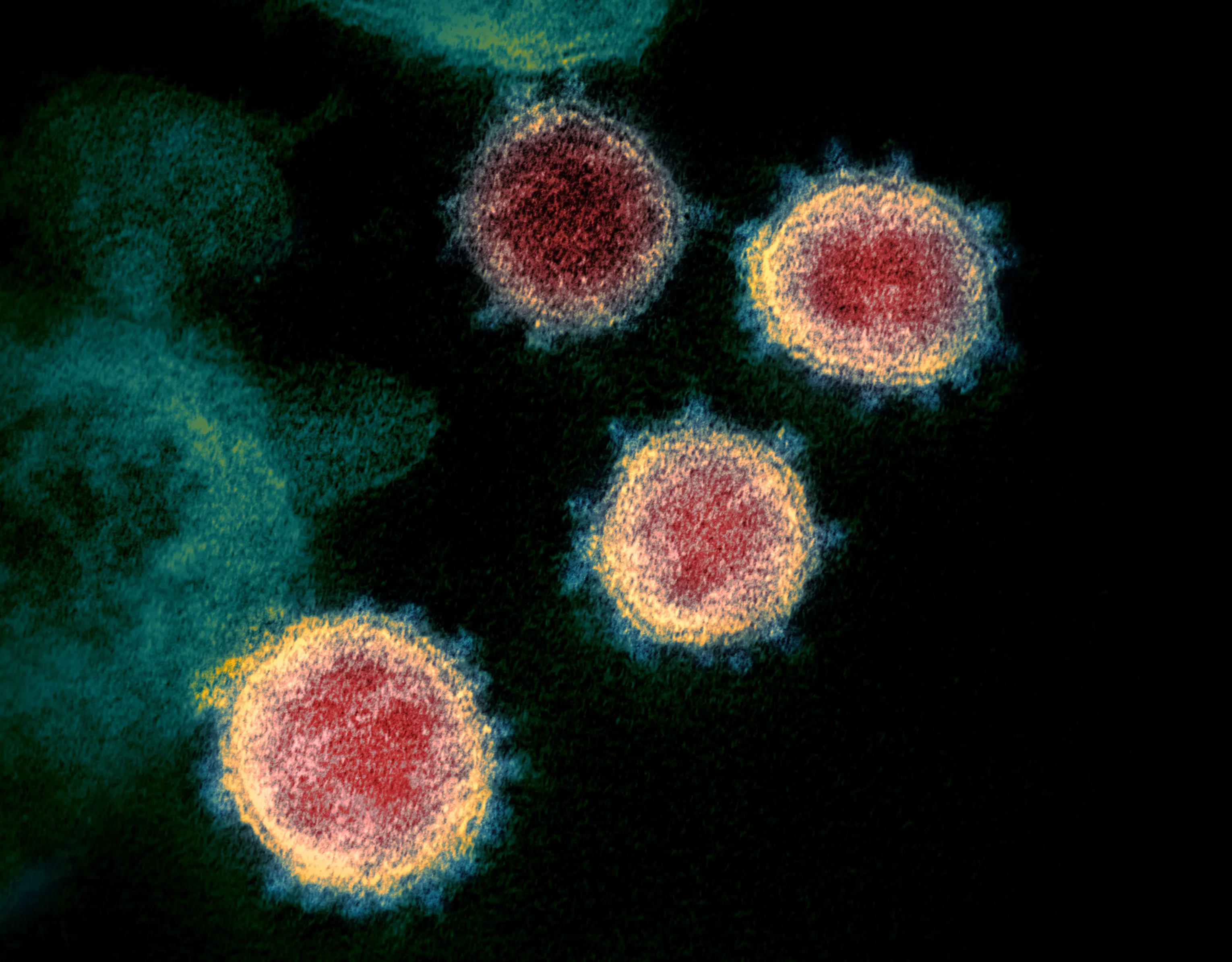
Read MoreAfter more than 1,100 days under the weight of a once-in-a-generation outbreak, the World Health Organization has officially brought the COVID-19 public health emergency to a close. The declaration, made in Geneva on 5 May 2023, marks a symbolic turning point for a planet that has been on high alert since 30 January 2020, when the same body first sounded the alarm about a mysterious pneumonia-like illness spreading in Wuhan.
For Australians, the news lands in a country that experienced some of the strictest and longest lockdowns anywhere in the developed world. Melburnians spent more than 260 days confined to their homes, Sydneysiders watched their famous Bondi beaches close behind barricades, and the phrase "we're all in this together" became both slogan and burden. Now, with the WHO's emergency status officially retired, many Down Under are weighing what the post-pandemic era actually looks like.
The WHO's decision to classify COVID-19 as a Public Health Emergency of International Concern, or PHEIC, came just nine days after the first cases were reported outside China. That designation, reserved for the most serious outbreaks under the International Health Regulations, gave member states legal cover to trigger border closures, mandatory quarantine, and other sweeping measures. The speed of the declaration reflected deep unease about a pathogen that had already crossed several borders before anyone fully understood how it spread.
Over the following three years, the Emergency Committee met roughly every three months to review the situation, extending the status fourteen times before finally deciding the criteria for standing it down had been met. Director-General Tedros Adhanom Ghebreyesus described the moment as an occasion to celebrate, while warning that the virus itself has not disappeared. He urged governments not to dismantle the surveillance networks and laboratory capacities that had been built up at such cost.
The shift from emergency to long-term management is a technical one, but the political and emotional weight is enormous. Governments that built entire policy frameworks around the PHEIC must now recalibrate, and health ministries from Canberra to Nairobi are reviewing legislation drafted under the assumption of an ongoing crisis. Pandemic-era powers that sat comfortably under emergency provisions now need to be either wound down or written into permanent law.
| Indicator | Global figure (May 2023) | Australia figure (May 2023) |
|---|---|---|
| Confirmed cases | Over 765 million | Approximately 11 million |
| Reported deaths | Nearly 7 million | Around 19,000 |
| Vaccine doses administered | More than 13 billion | Over 64 million |
| People fully vaccinated | Roughly 65% of world population | Around 82% of eligible population |
The numbers keep shifting, and the most current breakdowns are available through coronavirus statistics.
Pulling the plug on the PHEIC does not mean COVID-19 has been eradicated. The disease remains a threat, particularly for older Australians and those with compromised immune systems, and surveillance, testing, and vaccination programmes continue in modified form. What changes is the legal scaffolding that allowed extraordinary measures to be enacted quickly. Border restrictions, quarantine mandates, and the like were tied to the emergency declaration in many jurisdictions, and revoking it forces a return to ordinary public health law.
Insurance coverage linked specifically to pandemic-era protections may shift. Some travel insurance policies marketed heavily during the outbreak will be revised, and several workplace safety mandates issued by Safe Work Australia are expected to be phased out over coming months. The Therapeutic Goods Administration has also indicated that provisional approvals for COVID-19 vaccines will transition to standard registration pathways, a slower but more rigorous process that brings the jabs into line with every other vaccine on the Australian market.
For everyday Australians, the practical differences will be subtle but noticeable. PCR testing will no longer be free for most people, and the familiar text message alerts from state health departments have already wound down in New South Wales and Victoria. Many of the pop-up testing clinics that sprouted in Bunnings car parks and community halls have packed up and gone home. State governments are also reviewing which COVID-specific public health orders should remain on the books and which should lapse.
Australia's experience of the pandemic was distinctive, shaped by its island geography, federal system of government, and a political class that leaned heavily on the phrase "the medical advice" when explaining hard decisions. The country recorded just over 11 million confirmed cases and more than 19,000 deaths, figures that look modest next to the United States or the United Kingdom, but which arrived in concentrated waves that strained intensive care units and exposed thin staffing margins in regional hospitals.
Melbourne holds the unwanted record for the world's longest cumulative lockdown, while Sydney's northern beaches became shorthand for one of the earliest major clusters. Brisbane, Perth, and Adelaide each cycled through their own snap restrictions, and regional towns in Western Australia and the Northern Territory endured some of the harshest isolation due to remote geography and limited hospital capacity. The hard border between New South Wales and Victoria at one point became one of the most heavily policed internal boundaries in the country.
The economic toll was significant. JobKeeper payments kept millions of workers tethered to their employers during the worst of the downturn, and the early withdrawal of international students left universities scrambling for revenue. The phrase "the Lucky Country" took on a slightly ironic edge for many, even as Australia's overall death rate remained among the lowest in the OECD. Hospitality and tourism operators in places like Cairns, the Gold Coast, and the Barossa Valley are still clawing back ground, and regional airlines that relied on international visitors continue to operate at a fraction of their pre-2020 schedules.
Australian health authorities have signalled a shift toward treating COVID-19 much like influenza, with annual booster recommendations likely aligned to seasonal patterns. The Australian Technical Advisory Group on Immunisation, better known as ATAGI, has already begun reshaping its guidance, and the National Immunisation Program is expected to absorb COVID-19 vaccines alongside flu shots in the years ahead. Pharmacists are being readied to administer boosters as part of routine winter campaigns, and GPs are receiving updated advice on managing long-term patients.
Researchers warn that the lessons of the past three years should not be forgotten. Supply chain fragility, the speed of vaccine development, and the social costs of extended school closures are all areas where Australian policymakers have called for inquiries and royal commissions. Whether those reviews translate into meaningful reform remains an open question, with critics arguing that the country still relies too heavily on ad hoc responses rather than standing pandemic preparedness.
While the official emergency is over, several loose ends will take years to tie up. Long COVID continues to affect an estimated hundreds of thousands of Australians, many of whom struggle to access appropriate care through the Medicare system. Disability advocates have pushed for a formal national strategy, arguing that the condition has been under-researched and under-recognised. Specialist clinics that opened during the worst of the crisis are now operating with reduced funding, leaving some patients waiting months for appointments.
Workplace infections also remain a live issue. Some Australian unions have called for permanent pandemic leave entitlements, modelled on the arrangements put in place during the emergency years. Employers, particularly in healthcare and aged care, are still navigating workers' compensation claims tied to workplace transmission. The Fair Work Commission has been asked to clarify whether COVID-19 should be treated as a compensable illness going forward.
Finally, there is the question of preparedness for whatever comes next. The next pandemic may not even be an influenza virus or a coronavirus at all, and public health experts have warned that funding for surveillance and early-warning systems must not be allowed to wither once the political urgency fades. The CSIRO and several university-based research teams have called for a permanent national institute dedicated to infectious disease preparedness, though federal budget cycles suggest such a body remains a distant prospect.
The end of the emergency is a moment to look back, but it is also a moment to look forward. Australians emerged from the pandemic with a deeper appreciation of community, a healthy scepticism of airborne diseases, and a vocabulary that includes words like "booster", "PCR", and "RAT" that did not exist in common usage before 2020. G'day to a different kind of normal.