
Venezuela using coronavirus as cover to crack down on dissent, report claims
A report from Human Rights Watch was featured among the site’s world news headlines.
Read MoreLive world news related to the coronavirus (COVID-19) pandemic, updated by the minute. Follow global developments, statistics, and selected cryptocurrency news.
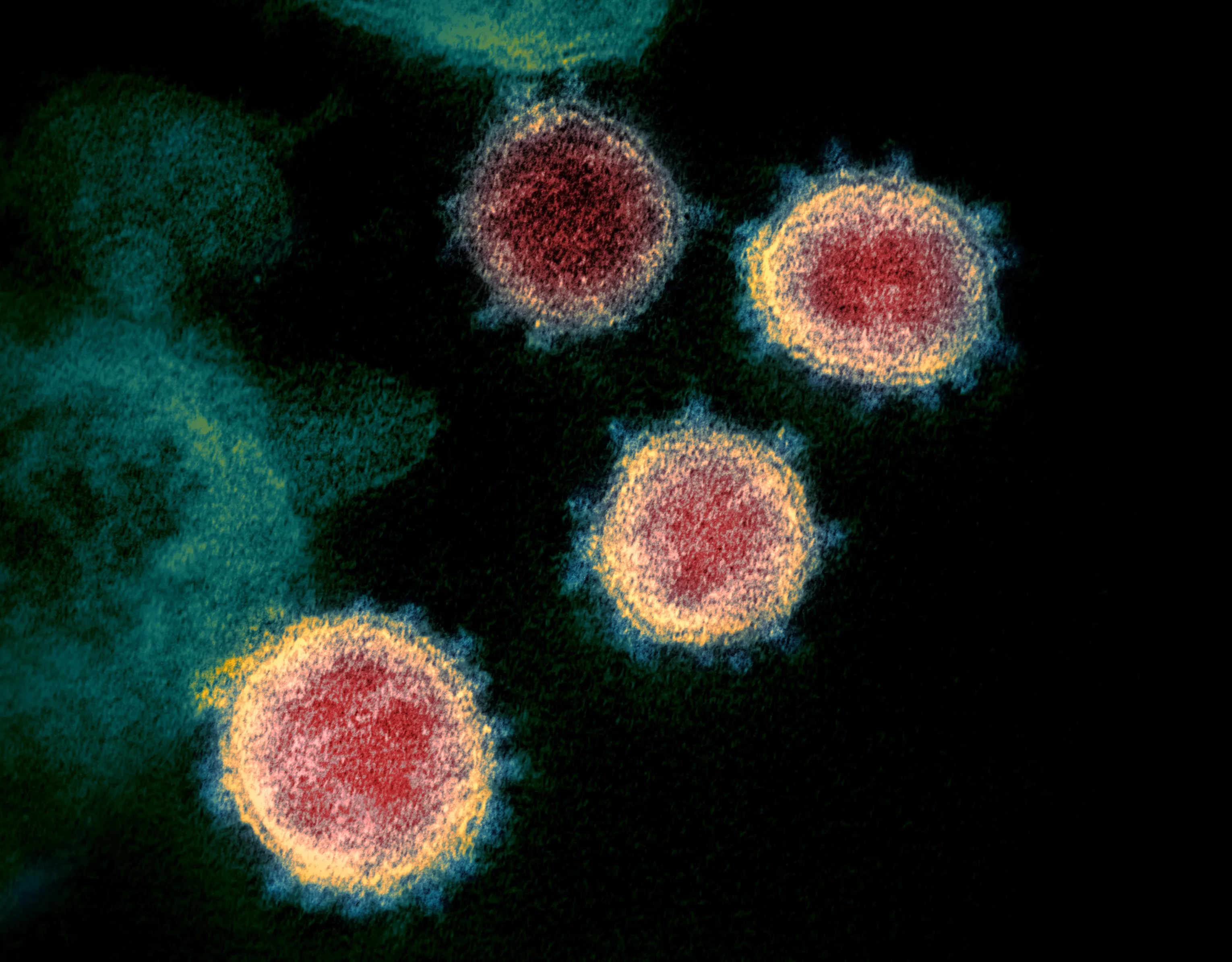

Read international coverage of the coronavirus pandemic and related global events.
Explore News
Visit the statistics section for data related to the coronavirus pandemic.
View Stats

Stay oriented with the site’s described live update format.
Read updates
A report from Human Rights Watch was featured among the site’s world news headlines.
Read More
The site featured this headline in its world news coverage.
Read More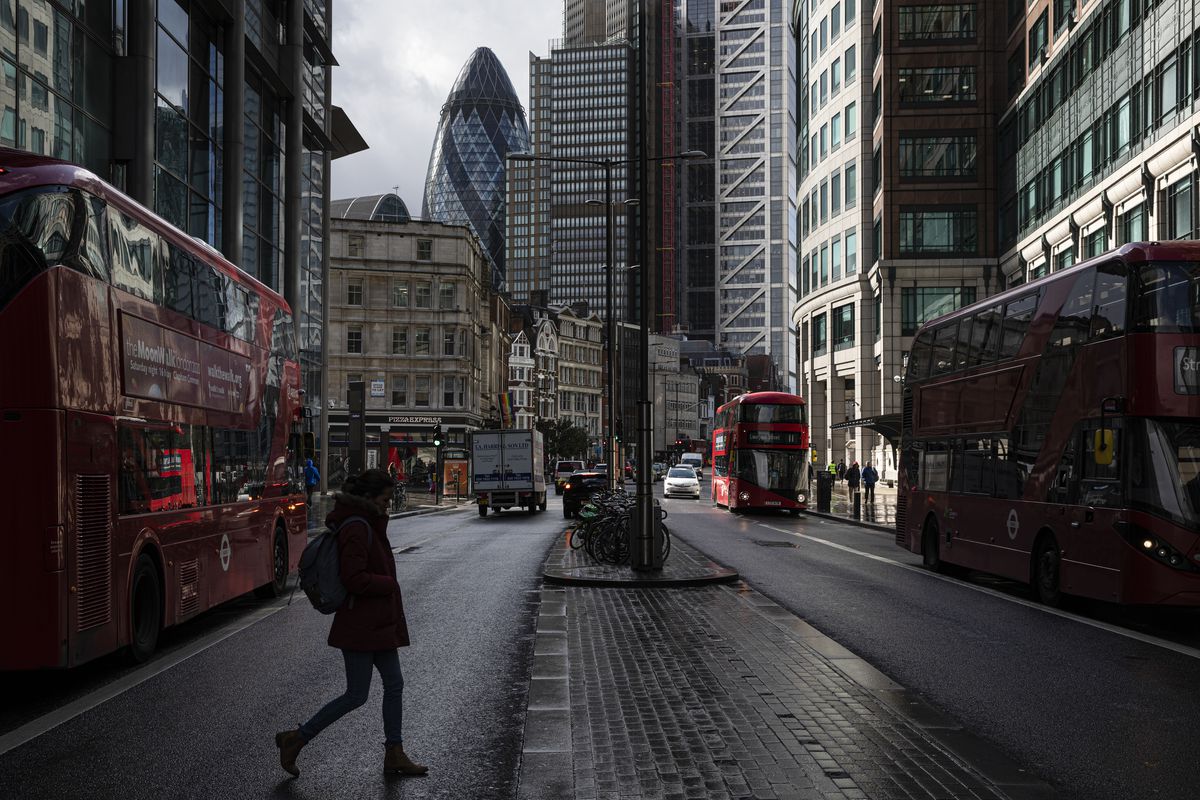
The article covered the beginning of arguments by phone during the pandemic.
Read More
The site reported on the WHO chief’s self-quarantine after contact with a person who tested positive.
Read More
The site published an article discussing possible smartphone data sharing.
Read More
The site published an article on the initiative described in the headline.
Read More
The site discussed the subject of hoax martial law emails in a coronavirus article.
Read MoreItaly has entered a second state of emergency as COVID-19 hospitalisations rise, prompting national authorities to prepare regional health systems for another increase in severe cases. The renewed phase gives the health ministry and Protezione Civile greater power to coordinate hospital capacity, clinical supplies, testing and vaccination campaigns. Officials have described the measures as targeted at current pressure rather than a return to the blanket shutdowns seen at the beginning of the pandemic.
The immediate concern is the number of patients requiring admission, particularly those needing oxygen or intensive care. Emergency departments can come under pressure before hospitals reach full occupancy, while staff shortages and delayed discharges reduce the number of beds available for new patients. Officials are therefore examining admissions, intensive-care demand and the proportion of patients who are unvaccinated or have underlying medical conditions.
For Australians, the renewed Italian alert offers a reminder that lower case numbers do not necessarily mean the health system is safe from another wave. Infections recorded now may translate into hospitalisations several weeks later. Australia retains its own surveillance networks and vaccination programs, but changing variants, uneven uptake of boosters and gaps in paid sick leave could still produce localised pressure in cities such as Melbourne, Sydney and Brisbane.
Italy’s emergency framework allows the national government to issue temporary ordinances, coordinate regional resources and request assistance when health systems approach agreed thresholds. During the activation, authorities can accelerate procurement, adjust vaccination campaigns, expand testing and direct staff or equipment toward areas with the greatest clinical need. These powers are designed to act before a crisis becomes visible in every hospital.
Regional differences will shape the response. Lombardy, where hospitals experienced severe strain during the first pandemic, may prioritise intensive-care capacity and infection control, while other regions could focus on outpatient treatment and vulnerable residents. A national emergency does not force every area to impose identical restrictions; local authorities can still use measures suited to their hospital networks and current transmission.
Clear communication will be crucial to public compliance. Residents may be asked to wear masks in health settings, limit contact while symptomatic or stay home when seriously ill. The goal is to reduce pressure without recreating the widespread closures that carried large educational, employment and social costs. Hospitals also need time to restore routine services, including cancer treatment and elective surgery, that were repeatedly interrupted during previous surges.
A rise in cases does not automatically produce a proportional rise in admissions, but hospital data remain the clearest measure of severe illness. Most patients recover at home, while a smaller group faces deterioration that can require hospital admission. The timing also matters: a surge in emergency-department presentations may become an intensive-care problem after a delay, giving authorities a narrow window to intervene.
Workforce capacity is just as important as the number of physical beds. Nurses, doctors and support workers may be absent because of illness, burnout or household responsibilities. Hospital managers can open additional wards only if they have trained staff to operate them. Italy’s renewed emergency therefore places as much emphasis on staffing schedules, protective equipment and oxygen supplies as it does on constructing temporary facilities.
Australia tracks several complementary indicators rather than relying on a single national figure. Queensland and Western Australia, for example, use wastewater surveillance to identify trends that may not yet appear in clinical reports, while state health departments monitor notifications, hospital admissions and outbreaks in aged-care facilities. A comparison of the two countries’ approaches shows where escalation could occur:
| Issue | Italy’s renewed emergency phase | Australia’s baseline and escalation capacity |
|---|---|---|
| Main warning signal | Regional admissions, bed occupancy and staff absence | Notifications, wastewater, emergency presentations and hospital admissions |
| Immediate protection | Vaccination outreach, testing and temporary local measures | Vaccination, antiviral access, ventilation and aged-care controls |
| Higher-risk groups | Older patients, pregnant people and people with chronic illness | Older Australians, immunocompromised people, aged-care residents and Aboriginal and Torres Strait Islander communities |
| Coordination | National emergency ordinances and regional surge planning | Commonwealth support combined with state and territory health directions |
| Data oversight | Health ministry and Protezione Civile reporting | Commonwealth and state dashboards, with federal and state privacy regimes applying |
Pregnancy has become a significant focus because severe COVID-19 can create additional risks for both pregnant patients and their babies. A clinical review of pregnancy-related hospital risks examines the higher hospitalisation rates reported among unvaccinated pregnant women. The pattern supports the broader finding that vaccination is important for protecting people at higher risk of severe disease.
Hospitals and clinicians should still assess each patient individually. Infection during pregnancy can overlap with conditions such as pre-eclampsia, gestational diabetes or blood clots, which may produce similar symptoms. Vaccination status, the stage of pregnancy and the presence of other medical conditions all influence the level of care required. The evidence linking vaccination to lower severe-disease risk does not mean that every hospital admission among an unvaccinated pregnant patient was caused by COVID-19.
Australian maternity services have continued to recommend that pregnant patients stay up to date with COVID-19 vaccination. Major maternity hospitals in Melbourne and Sydney maintain pathways for separating infected patients, offering remote antenatal appointments and arranging earlier clinical review when symptoms develop.RANZCOG guidance remains an important reference for clinicians, while midwives and general practitioners play a central role in explaining the benefits of vaccination and the symptoms that require assessment.
Smartphones offered an early way to identify exposure without revealing a person’s identity directly to the public. Earlier debate about smartphone exposure notifications centred on systems developed by Facebook and Google that used Bluetooth signals and optional health information. They promised speed and reach, although adoption, device compatibility and public trust determined how useful they became in practice.
Contact-tracing apps must also satisfy demanding privacy requirements. Effective use depends on frequent testing, fast reporting and rapid notification, while sensitive location or identity data can expose people to discrimination if it is misused. Australia’s national COVID-19 app and state-based systems were built around data minimisation, with many functions handled on the device and access restricted to authorised health teams. Later assessments found that digital tools had greater value when supported by strong public-health capacity.
Italy’s renewed emergency does not by itself indicate that smartphone contact tracing will return. Modern exposure-notification systems are less useful against some variants and cannot identify every infection. Aggregated mobility data may still help authorities understand transmission, but any renewed use would need clear limits, independent oversight and strict limits on retention. Public communication is essential because technical assistance cannot compensate for delayed testing or weak laboratory capacity.
Australia’s strongest immediate position is early detection combined with access to clinical care. State health units can investigate unusual clusters in aged-care facilities, schools and remote communities, while Aboriginal Community Controlled Health Services remain important partners for communities that may live far from major hospitals. In cities such as Brisbane and Perth, rapid testing, antiviral treatment and clear hospital escalation plans can reduce the time between symptoms and medical assessment.
People recovering from COVID-19 may experience persistent fatigue, respiratory limitations or digestive symptoms, and some symptoms overlap with irritable bowel syndrome. An explainer on curcumin and digestive health discusses why supplements may appeal to people seeking symptom relief and why evidence for many such products remains limited. Curcumin is not an established treatment for COVID-19, and supplements can interact with prescribed medicines or cause digestive side effects.
Customs rules and the Australian market are relevant to that choice. Australian Border Force requires travellers to check approval and declaration requirements for medicines and relevant biological materials before arriving at major gateways such as Sydney and Melbourne. Supplements sold through pharmacies, supermarkets or online marketplaces may be subject to quality and advertising controls, but being available for sale does not establish clinical effectiveness. Rapid antigen tests are widely available through Australian pharmacies and supermarkets, while eligible antiviral medicines can be prescribed through the Pharmaceutical Benefits Scheme.
Italy’s renewed emergency remains active as hospitals monitor admissions and regional capacity. Australian authorities are watching for the same delayed pattern of rising severe illness, with attention focused on booster uptake, antiviral access, aged-care protection and the availability of rapid testing during periods of increased travel and social activity.