
Venezuela using coronavirus as cover to crack down on dissent, report claims
A report from Human Rights Watch was featured among the site’s world news headlines.
Read MoreLive world news related to the coronavirus (COVID-19) pandemic, updated by the minute. Follow global developments, statistics, and selected cryptocurrency news.
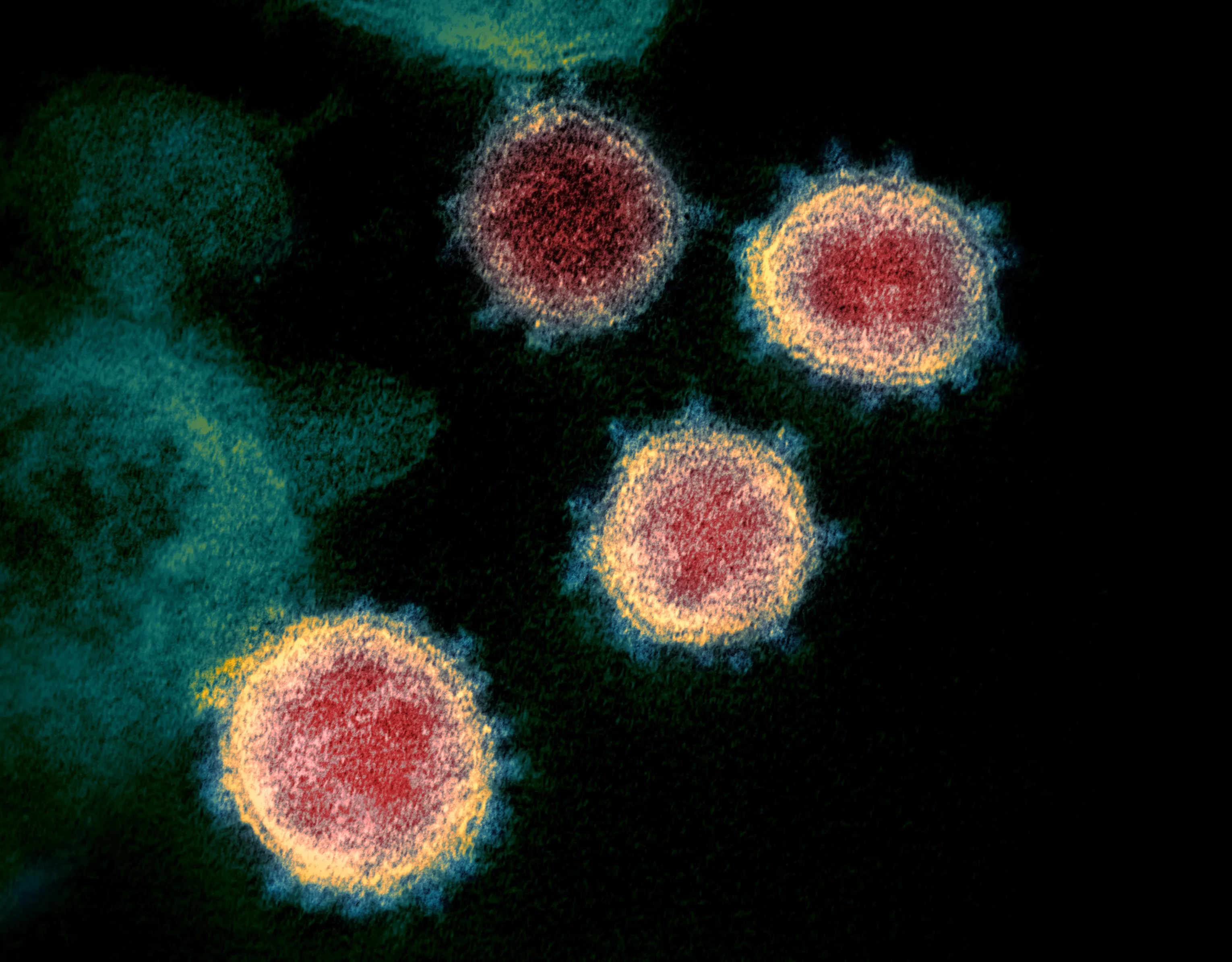

Read international coverage of the coronavirus pandemic and related global events.
Explore News
Visit the statistics section for data related to the coronavirus pandemic.
View Stats

Stay oriented with the site’s described live update format.
Read updates
A report from Human Rights Watch was featured among the site’s world news headlines.
Read More
The site featured this headline in its world news coverage.
Read More
The article covered the beginning of arguments by phone during the pandemic.
Read More
The site reported on the WHO chief’s self-quarantine after contact with a person who tested positive.
Read More
The site published an article discussing possible smartphone data sharing.
Read More
The site published an article on the initiative described in the headline.
Read More
The site discussed the subject of hoax martial law emails in a coronavirus article.
Read MoreThe World Health Organization has warned that COVID-19 continues to cause approximately 1,000 deaths worldwide every week, even as emergency-era restrictions have largely been withdrawn. The estimate is not a precise seven-day count: reporting delays, uneven testing and different national definitions make confirmed deaths an incomplete measure. The warning nevertheless points to a persistent, avoidable burden that did not disappear with the acute phase of the pandemic.
For Australians, the message is a call for continued vigilance rather than a return to blanket closures. Most Australians have substantial immunity from vaccination and prior infection, and severe illness is now concentrated among older people and those with medical vulnerabilities. Even so, an infection can still cause hospitalisation, long COVID or death, while outbreaks place pressure on emergency departments and aged-care services in cities such as Sydney, Melbourne and Brisbane.
The WHO warning is driven by continuing mortality and evidence that the virus remains present across regions, not by a declared return to the pandemic emergency of 2020. National reporting systems still record deaths, hospital admissions and outbreaks, although recent figures are often revised as cases are reconciled. A rolling feed of live global updates can put those reports in context, but each snapshot should be read as an estimate rather than an exact global tally.
Mortality is also unevenly distributed. Older adults, people with weakened immune systems and those with conditions such as heart or lung disease face the greatest danger of severe illness. Lower vaccination coverage and interrupted access to medicines make the risk greater in parts of South Asia, Africa and Latin America, while crowded households and poorly ventilated workplaces can increase transmission everywhere. A weekly global figure can therefore conceal very different experiences within one country and between neighbouring communities.
Seasonality still matters, but the old picture of a predictable winter wave has become less tidy. SARS-CoV-2 continues to circulate at substantial levels, and new variants can alter transmissibility and immune escape. Immunity from vaccination or infection also fades, leaving some groups vulnerable again. The result is a rolling pattern of outbreaks rather than a single crisis, which is why public-health agencies need continuous surveillance instead of relying on emergency thresholds alone.
Most deaths occur after infection has triggered pneumonia, severe inflammation, blood clots or damage to organs such as the heart and kidneys. The path is often prolonged, making it difficult to attribute every death without laboratory evidence or medical review. That uncertainty helps explain why COVID-19 mortality can be undercounted even in countries with extensive hospitals and digital surveillance.
Vaccination remains the strongest way to reduce the risk of severe disease and death, particularly for older adults and people with significant medical conditions. Protection against infection can weaken sooner than protection against critical illness, and uptake is uneven within communities. For high-risk people, an infection after the last dose or previous infection may still lead to hospital treatment, so antiviral assessment and early testing remain valuable.
Long COVID adds another burden that weekly death figures do not capture. Some people develop disabling fatigue, breathlessness, cognitive problems or cardiovascular symptoms lasting months or years, even when the acute illness was mild. Researchers continue to study risk factors and treatments. The condition also affects workplaces, insurance and household budgets, giving the virus a broader social cost than emergency admissions alone reveal.
Australia’s overall mortality burden has fallen sharply from the Omicron peak, and severe outcomes are uncommon among younger, healthy people. That success reflects high vaccination coverage, widespread prior infection, better treatment and the ability to maintain much of society during outbreaks. Public hospitals nevertheless treat respiratory illness alongside other pressures, and infections can arrive from overseas or spread between states, so low national numbers do not mean no risk at the local level.
Australian cities illustrate how context matters. Dense apartment living and busy rail networks in Sydney and Melbourne increase the number of contacts people have, while large workplaces and universities move infections through many households. Brisbane residents may spend hot, humid days indoors with air-conditioning, which can create the same close-contact conditions seen in Melbourne’s cooler winter months. Air quality, ventilation and time spent in shared spaces help explain why case numbers can differ even between suburbs.
Legislation still gives health authorities tools, although the broad national pandemic declaration made under the Biosecurity Act was revoked in November 2023. COVID-19 remains a notifiable disease under state and territory public-health laws, allowing cases and outbreaks to be reported and investigated. Aged-care facilities and hospitals retain duties to manage infection risks, and individual sites can require masks or restrict entry during an outbreak. Rules now vary more by setting than they did during statewide emergencies.
Everyday prevention now depends more on individual and workplace choices. People commonly buy rapid antigen tests from pharmacies or supermarkets when symptoms appear, although home tests are less likely to appear in official case numbers. Australians are generally advised to stay home while acutely unwell, wear a well-fitted mask in crowded indoor spaces and consider testing before visiting vulnerable relatives. Hospitals, clinics and aged-care settings have stronger mask and visitor guidance than public transport or shops.
Multigenerational households create a common point of concern. A parent may bring infection home from a workplace, a school or a social event, then pass it to a grandparent or a child with asthma. In Sydney and Melbourne, mixing wintertime indoor gatherings with travel on crowded trains can increase exposure. Simple measures such as opening a window, improving airflow in shared rooms and postponing a visit when someone is symptomatic can lower risk without shutting down normal life.
Workplaces need to balance infection control with privacy and employment fairness. Most Australian employers no longer operate under a single national COVID rule set; instead, infectious-disease procedures depend on workplace risk, symptomatic staff reporting and applicable state public-health directions. In health care, aged care and transport, where close contact and vulnerable people are concentrated, employers may use rapid testing, paid sick leave, ventilation improvements or temporary masking during clusters.
Vaccination and treatment sit at the centre of Australia’s market response. The Commonwealth funds a targeted COVID-19 vaccination program through participating general practices and pharmacies, prioritising people at greater risk of severe illness. People outside the eligible groups can still ask about vaccination, although they may pay privately and should check current eligibility rather than relying on an old schedule. Stock levels, appointment availability and clinician advice vary by location.
Australian pharmacies also supply rapid tests and assess patients who may qualify for antiviral medicine. Certain eligible patients can receive PBS-subsidised Paxlovid after a positive test and clinical review, with the treatment most useful when started early. Supply and prescribing pathways can change during outbreaks, but early action matters, especially for older people, people with chronic illness and those taking medicines that interact with the antiviral. Pharmacists can also check whether a proposed product or supplement has any proven role.
The commercial pressure around pandemics creates room for misleading claims. Regulators can act when a product is promoted as preventing or treating COVID-19 without adequate evidence. Readers who move from health headlines to pages offering digital asset coverage should keep the same evidence standard in mind: a market price, sponsored post or token name says nothing about whether a supplement or unapproved medicine can prevent infection. Independent clinical evidence, not advertising, should guide health purchases.
Health authorities are watching several signals rather than relying on case counts alone. Hospital admissions, intensive-care demand, deaths, outbreak reports, vaccination uptake and respiratory-virus levels can reveal whether protection is weakening. Wastewater monitoring can provide an early indication of community circulation, although concentrations vary with dilution, rainfall and sampling methods. Official dashboards should be interpreted with those limitations in mind, particularly when data are delayed or revised.
Communication matters as much as measurement. A warning can be effective when it identifies who is at risk, what action is useful and how soon people should act. It becomes counterproductive when every daily fluctuation is presented as a new emergency or when uncertainty is hidden. Clear local advice from Healthdirect, state health departments and the Australian Centre for Disease Control can help households judge risk without guessing.
| Measure | Global picture | Australian picture |
|---|---|---|
| Mortality signal | WHO estimates around 1,000 deaths each week | State and territory systems report deaths, with figures sometimes revised |
| Case visibility | Testing levels differ widely, so confirmed cases miss many infections | Home antigen results may not enter official counts; hospital and wastewater data add context |
| High-risk protection | Vaccine coverage and treatment access are uneven | A targeted Commonwealth program uses GPs and pharmacies, while eligible patients can access subsidised antivirals |
| Setting-level controls | Restrictions and public-health rules vary widely | Mask guidance and outbreak controls are strongest in health and aged-care environments |
The appropriate response is steady rather than dramatic. Keep vaccination up to date if eligible, test promptly when symptoms develop, stay home while infectious, use masks in higher-risk settings and seek clinical advice early for vulnerable people. Regular readers can also use email updates to follow major WHO announcements and changes in Australian guidance without being overwhelmed by constant alerts. Maintaining those habits will not remove every death, but it can prevent many severe outcomes and preserve confidence in health services.