
Venezuela using coronavirus as cover to crack down on dissent, report claims
A report from Human Rights Watch was featured among the site’s world news headlines.
Read MoreLive world news related to the coronavirus (COVID-19) pandemic, updated by the minute. Follow global developments, statistics, and selected cryptocurrency news.
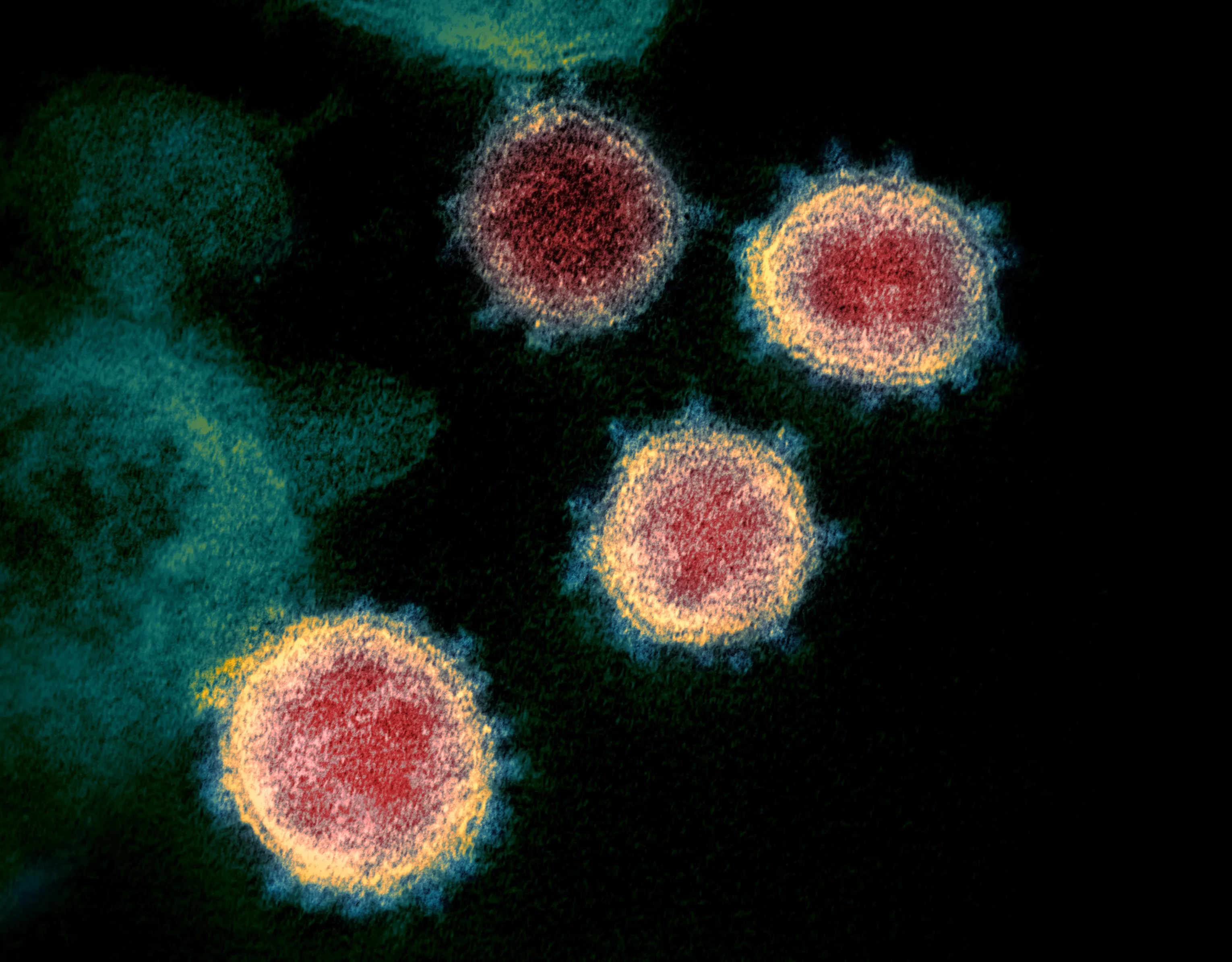
Read international coverage of the coronavirus pandemic and related global events.
Explore News
Visit the statistics section for data related to the coronavirus pandemic.
View Stats

Stay oriented with the site’s described live update format.
Read updates
A report from Human Rights Watch was featured among the site’s world news headlines.
Read More
The site featured this headline in its world news coverage.
Read More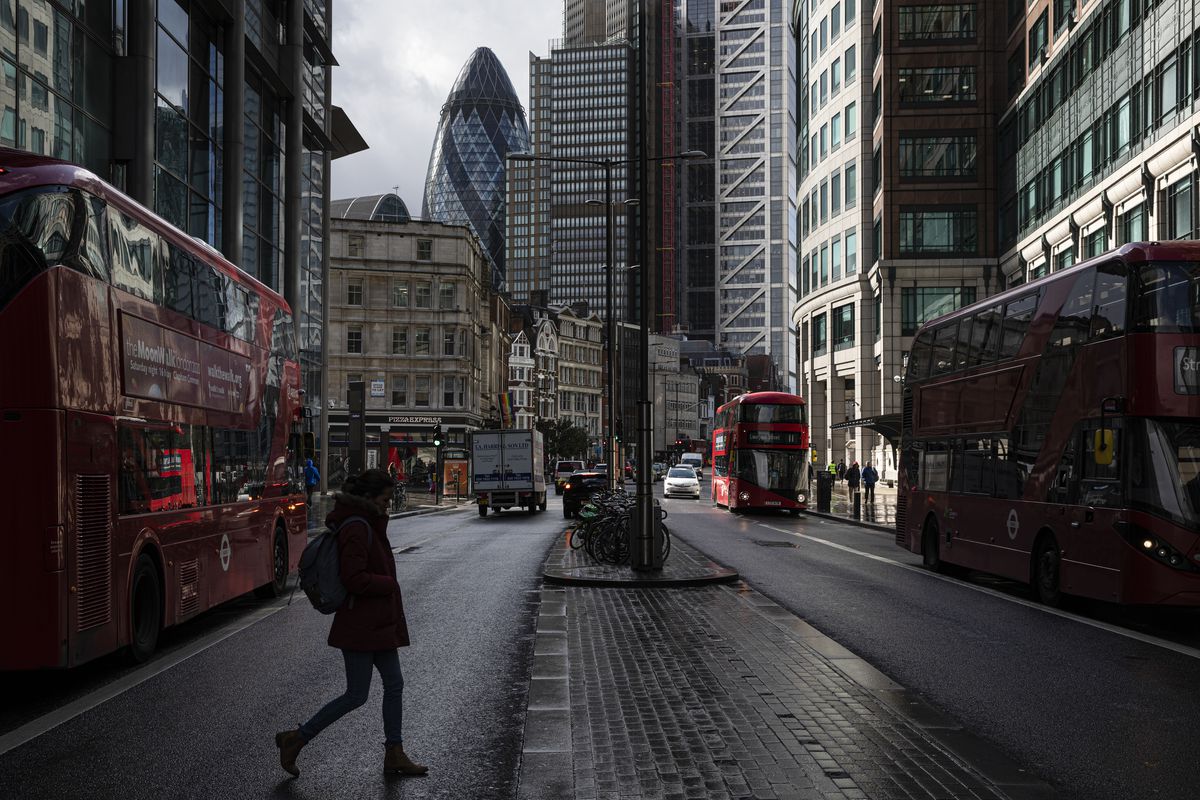
The article covered the beginning of arguments by phone during the pandemic.
Read More
The site reported on the WHO chief’s self-quarantine after contact with a person who tested positive.
Read More
The site published an article discussing possible smartphone data sharing.
Read More
The site published an article on the initiative described in the headline.
Read More
The site discussed the subject of hoax martial law emails in a coronavirus article.
Read MoreGermany’s fourth COVID-19 wave placed vaccination status at the centre of public policy, with federal and state authorities moving to restrict access for people who were neither fully vaccinated nor recently recovered. The measures arrived as infections, hospital admissions and deaths climbed again, testing the country’s health system and exposing deep political divisions over compulsory vaccination and personal freedom.
For Australian readers, the German response offers a useful comparison with the restrictions used in Melbourne, Sydney and Brisbane during earlier outbreaks. Germany relied heavily on the “2G” model—access for vaccinated or recovered people—while Australia’s rules varied by state, depended on lockdown settings and later focused on vaccination certificates for venues, travel and work. The economic effects reached retailers, restaurants, transport operators and financial markets already dealing with supply disruptions.
The surge developed after a period in which daily life had started to resemble a cautious version of normality. Restaurants reopened, Christmas markets returned in many locations and domestic travel increased. At the same time, vaccination coverage was uneven, booster uptake was still developing and colder weather encouraged people to spend more time indoors.
Germany’s federal structure made the response complicated. Health policy was shaped by national legislation, but the 16 Länder controlled many practical restrictions. Rules could therefore differ between Bavaria, Saxony, Berlin and North Rhine-Westphalia, creating confusion for commuters, hospitality businesses and travellers crossing state borders.
The Delta variant was a major factor in the wave, combining high transmissibility with waning protection against infection among some vaccinated people. Vaccination continued to provide strong protection against severe disease, but breakthrough infections and hospital pressure made authorities reconsider whether earlier, lighter rules were sufficient.
The situation also revived debate about digital monitoring. During earlier phases of the pandemic, governments considered or introduced systems for tracing contacts and verifying health status. Israel’s experience with digital surveillance is examined in cellphone tracking measures, a development that helped shape wider discussions about privacy, emergency powers and public-health enforcement.
The central German approach was known as 2G, short for “geimpft” and “genesen”—vaccinated and recovered. Under this model, people generally needed proof of vaccination or recovery to enter indoor restaurants, cultural venues, sporting events and some retail settings. A negative test alone was not always enough.
Some regions went further by closing restaurants, bars and leisure facilities to unvaccinated residents. In areas with especially high hospital occupancy, authorities introduced rules that effectively excluded unvaccinated people from much of public social life. These restrictions were framed as a way to protect hospitals and reduce transmission in crowded indoor settings.
A separate 3G model—vaccinated, recovered or tested—remained relevant in workplaces, public transport and other environments. The distinction mattered because a negative test could preserve access in some settings but offered no guarantee of entry under stricter 2G rules.
The measures were highly controversial. Supporters said the state had a duty to prevent avoidable pressure on intensive-care units, while opponents argued that restrictions based on health status created a two-tier society. Protest demonstrations became a regular feature in several cities, and the political debate grew more intense as governments considered mandatory vaccination for health workers and other high-contact occupations.
Germany’s hospital system faced a familiar but dangerous pattern: a rapid increase in infections followed by a delayed rise in hospital and intensive-care admissions. Hospitals had to postpone some non-urgent procedures, move patients between regions and prepare for staffing shortages caused by illness or quarantine.
The burden was not evenly distributed. Regions with lower vaccination rates, including parts of eastern Germany, often recorded particularly high case rates and severe pressure on hospitals. Local capacity, age distribution, access to care and public compliance all influenced the outcome.
Businesses faced a difficult operating environment. A restaurant might have fewer customers because of 2G rules, yet still need to maintain staffing and stock. Retailers in busy city centres lost passing trade, while delivery services, online shopping and home entertainment gained activity. German manufacturers also dealt with wider supply-chain problems, making it harder to separate the effect of health restrictions from the effects of global shipping delays.
The Australian comparison was immediate for many businesses. Cafés in Sydney and Melbourne had already learned to check vaccination certificates, manage outdoor seating and switch between takeaway and table service. In Brisbane and regional Queensland, operators also had to follow state-specific requirements that could change according to local case numbers. For small businesses, each new rule carried costs for signage, staff training, digital systems and cancelled bookings.
Financial markets reflected the uncertainty. Shares in airlines, hotels, cinemas and restaurants were vulnerable when governments tightened movement rules, while health technology, logistics and online commerce companies could attract renewed interest. Australian investors following the ASX also watched European restrictions as a signal for how future outbreaks might affect tourism, energy demand and consumer spending.
The German restrictions were designed to encourage vaccination as well as slow transmission. By limiting access to venues for unvaccinated people, policymakers hoped that hesitant residents would seek first and second doses. Booster campaigns were also expanded as evidence showed that protection against infection could decline over time, particularly among older adults and people with weakened immune systems.
That strategy depended on clear communication. Conflicting messages about masks, testing, vaccine eligibility and the length of protection damaged confidence. People were more likely to accept rules when requirements were simple, consistently enforced and visibly connected to hospital capacity. Frequent changes created frustration among families and employers.
The vaccine debate also included questions about heart health and rare adverse events. Public discussion was often mixed with misinformation, making it important to distinguish population-level evidence from individual medical advice. Research into inherited cardiac conditions, such as the work described in genetics of Brugada syndrome, belongs to a broader medical conversation but should not be treated as evidence that COVID-19 vaccines cause that syndrome.
Australia experienced a similar trust challenge, though the political context differed by state. Residents in Melbourne endured some of the world’s longest cumulative lockdowns, while people in Perth and Brisbane often experienced shorter restrictions because border controls and rapid local interventions limited community spread. These contrasting experiences shaped attitudes towards mandates, quarantine and the balance between individual choice and collective protection.
For vaccinated and recovered residents, the 2G system allowed many activities to continue with fewer limits. Proof could be shown through Germany’s digital certificate system or paper documentation, but checks were not always uniform. Travellers, older people and residents without smartphones sometimes needed printed certificates or additional help.
For unvaccinated people, the practical effect was much broader than missing a restaurant booking. Depending on the region, access to sporting events, concerts, museums, Christmas markets and some shops could be restricted. Testing offered a route into selected workplaces and services, but it could be expensive, inconvenient or unavailable during periods of high demand.
Businesses and households had to manage several layers of compliance:
The rules also affected social customs. German Christmas markets, football matches and indoor gatherings are important seasonal traditions, yet they became closely linked with infection-control decisions. Australian equivalents included summer festivals, cricket matches, beachside hospitality and family gatherings around Christmas and New Year.
Different groups experienced the measures in distinct ways:
The restrictions were therefore more than a legal limit on movement. They influenced relationships, employment, education and access to culture. In Australia, similar pressures appeared when state borders separated families, interstate travel required permits or restaurants operated below normal capacity.
Germany’s experience demonstrated that high vaccination coverage alone did not guarantee a quick end to the pandemic. Immunity levels, booster timing, indoor ventilation, testing access and public behaviour all influenced whether a new wave overwhelmed hospitals. Restrictions could reduce contact, but they worked best when combined with vaccination, case detection and support for people required to isolate.
The episode also highlighted the importance of consistent national messaging. Australia’s state-by-state system could move quickly, yet residents and businesses often struggled when rules differed between New South Wales, Victoria, Queensland and Western Australia. German travellers faced a comparable problem when requirements changed at state borders or when local authorities applied stricter conditions.
A later debate over booster policy showed how international recommendations could become politically sensitive. Coverage of a proposed booster moratorium debate reflects the continuing argument about timing, supply, equity and the public-health value of repeated doses. Any such policy needs to account for vulnerable groups, variant evolution and the difference between preventing infection and preventing severe disease.
The German case also carried lessons for the local market. Australian companies supplying rapid tests, health software, cold-chain logistics and protective equipment could gain from renewed demand, while travel operators and entertainment businesses remained exposed to sudden rule changes. Consumers, meanwhile, tended to shift spending online when indoor activities became uncertain.
| Issue | Germany During The Fourth Wave | Australian Relevance |
|---|---|---|
| Main access model | 2G for many venues: vaccinated or recovered | Vaccination certificates and state-based entry rules |
| Testing role | Used under 3G and in selected workplaces or services | Rapid antigen and PCR testing supported travel and outbreak management |
| Government structure | Federal framework with substantial Länder control | National coordination combined with state and territory powers |
| Business impact | Pressure on hospitality, retail, events and manufacturing | Similar effects in Melbourne, Sydney, Brisbane and tourism markets |
| Public debate | Mandates, privacy, protests and hospital capacity | Lockdowns, border controls, vaccine requirements and civil liberties |
| Economic signal | Greater volatility for travel and leisure sectors | ASX-listed tourism, retail, health and technology companies remained sensitive |
Germany’s strict approach to unvaccinated residents was an attempt to contain a fast-moving wave without returning every citizen to a full lockdown. Its results depended on timing, enforcement, vaccination uptake and hospital capacity. For Australia, the episode illustrated how quickly public-health decisions can spread through daily routines, state politics and the economy when a new COVID-19 wave gains momentum.