
Venezuela using coronavirus as cover to crack down on dissent, report claims
A report from Human Rights Watch was featured among the site’s world news headlines.
Read MoreLive world news related to the coronavirus (COVID-19) pandemic, updated by the minute. Follow global developments, statistics, and selected cryptocurrency news.
Read international coverage of the coronavirus pandemic and related global events.
Explore News
Visit the statistics section for data related to the coronavirus pandemic.
View Stats

Stay oriented with the site’s described live update format.
Read updates
A report from Human Rights Watch was featured among the site’s world news headlines.
Read More
The site featured this headline in its world news coverage.
Read More
The article covered the beginning of arguments by phone during the pandemic.
Read More
The site reported on the WHO chief’s self-quarantine after contact with a person who tested positive.
Read More
The site published an article discussing possible smartphone data sharing.
Read More
The site published an article on the initiative described in the headline.
Read More
The site discussed the subject of hoax martial law emails in a coronavirus article.
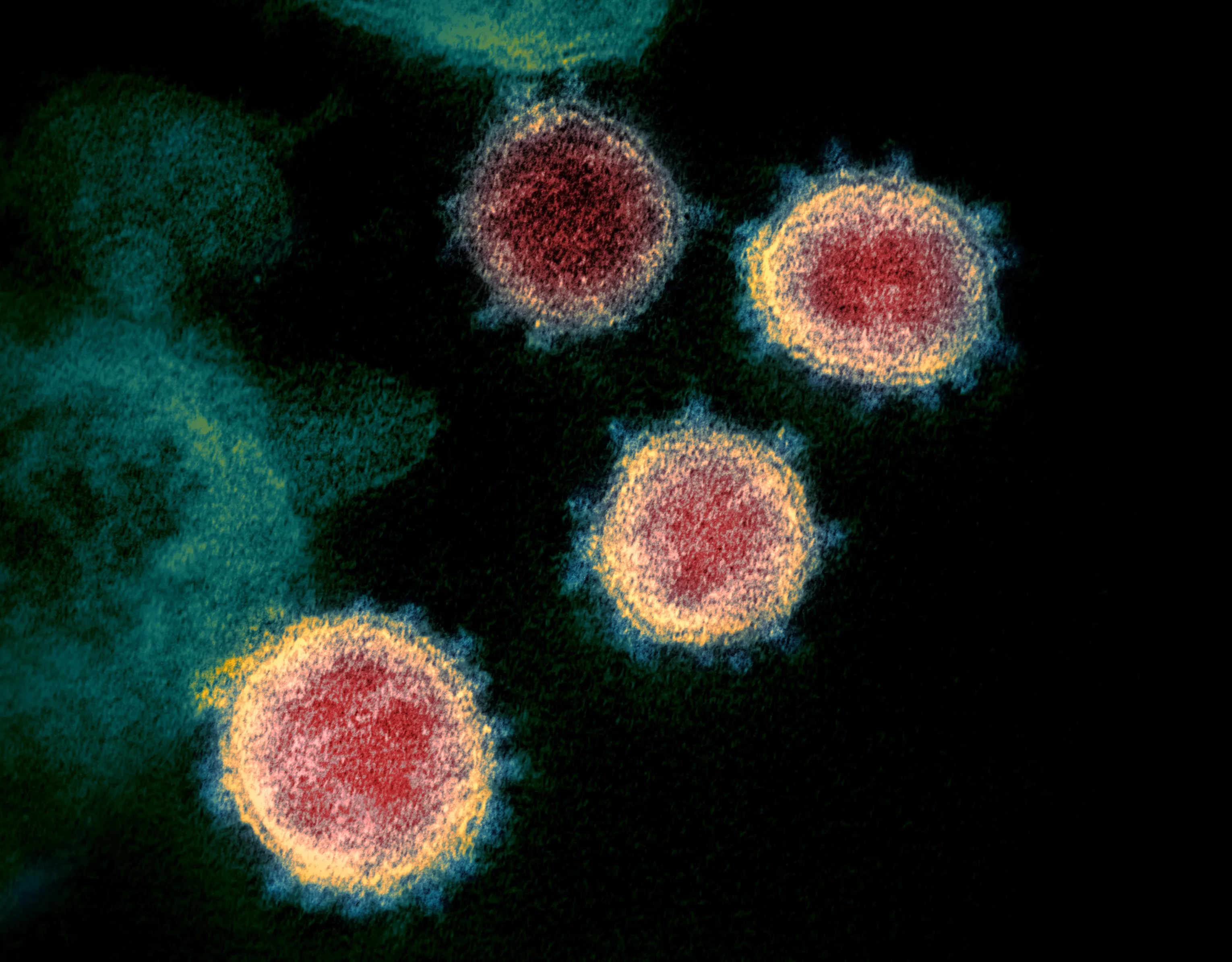
Read MoreA new coronavirus variant detected in bats has renewed concern about another animal-to-human spillover, the kind of event that can seed a wider outbreak. Scientists say the finding demonstrates why continued wildlife surveillance matters, even though there is no evidence that the virus has infected people or spread between humans.
The genetic signal came from bat samples collected during routine monitoring. Its distinct sequence suggests an additional viral lineage that may not have been previously characterised, potentially adding to the unusually diverse collection of coronaviruses carried by bats. Researchers are now examining its biological properties and whether it can cross species boundaries.
For Australia, the discovery is a reminder that the country’s exposure is shaped by wildlife, travel and the movement of animals rather than viral events happening on another continent alone. Sydney, Melbourne and Brisbane each sit near habitats used by flying foxes, while regional travel and outdoor recreation can bring residents into contact with wildlife. Preparedness therefore depends on early detection, sound biosecurity and coordination between health and veterinary authorities.
Researchers recovered coronavirus genetic material from bat specimens and compared the sequences with viruses already catalogued in global databases. The new lineage carried differences that placed it apart from previously described bat coronaviruses, prompting further genomic analysis and attempts to isolate live virus from additional samples.
Bats can host several coronavirus lineages at the same time. When viruses infect the same cell, they may exchange genetic material, a process known as recombination. That can produce a hybrid sequence, while ordinary mutations can also change a viral lineage over time. The finding does not reveal which mechanism produced the variant, but it shows that continuing evolutionary change remains possible within wildlife reservoirs.
Genetic detection and confirmed human risk are separate questions. Sequencing can establish that viral RNA was present in a sample without showing that the virus can replicate efficiently in people, evade immunity or transmit between them. Researchers must still determine the variant’s host range, receptor compatibility, environmental stability and disease severity before drawing conclusions about its public-health significance.
Bats are capable of harbouring a wide range of viruses, including coronaviruses related to those found in humans. Their mobility, roosting behaviour and ability to fly long distances create opportunities for different viruses to circulate within a colony and for infected animals to move between neighbouring habitats.
Spillover normally requires several conditions to align. A virus must leave its usual host, reach a person or susceptible domestic animal, overcome initial immune defences and then replicate in the new host. It must also acquire the capacity for sustained transmission if it is to cause a serious outbreak. A novel sequence is therefore an early signal rather than a forecast of pandemic disease.
The most important unanswered issue is whether the newly detected variant can infect human cells efficiently. Even if some bat coronaviruses use cellular receptors also found in people, that does not guarantee efficient infection. The virus’s whole genetic context, not a single mutation, influences whether cross-species transmission becomes feasible.
Public-health authorities consequently distinguish enhanced monitoring from an immediate emergency. Hospitals and testing laboratories would need rapid ways to recognise unexpected respiratory illness, while animal-health teams would investigate unusual patterns of infection. That capacity matters because the interval between an initial spillover and recognition of sustained human transmission can be short.
Flying fox colonies are part of the everyday environment in several Australian cities. Sydney residents may encounter large communal roosts near parks and waterways, while Brisbane has well-known colonies that bring fruit bats into contact with urban green spaces. Melbourne’s river corridors and eastern suburbs also provide feeding and roosting sites close to densely populated neighbourhoods.
Contact does not automatically mean infection, and Australian residents can encounter bat waste while walking, cycling, gardening or camping. Most risk arises from handling an injured or sick animal, or from exposure to concentrated secretions rather than ordinary distance. People who find a distressed bat should avoid touching it and contact a licensed wildlife rehabilitation service or the relevant state wildlife authority.
Regional travel adds another layer. Roads across pastoral areas and national parks can pass through bat foraging habitat, particularly around rivers, campsites and water sources. Travellers checking rural road conditions before a bushland trip may also encounter flood closures, storm recovery work or wildlife activity affecting access to remote areas.
Australia’s domestic market offers relatively little routine exposure to live bats or bat products, and commercial wildlife trade is subject to stringent controls. The Commonwealth Biosecurity Act 2015 gives biosecurity officers authority to manage pests, pathogens and contaminated goods, while the Quarantine and Inspection Act 1908 supports inspection and quarantine at the border. Import conditions are administered through the BICON system, and state and territory laws separately govern wildlife capture, possession, transport and rehabilitation.
Australia already has laboratories capable of sequencing human, animal and environmental samples. The next step is to connect those capabilities so an unusual pattern in wildlife can be checked against human respiratory presentations and agricultural disease surveillance without waiting for a large outbreak.
Veterinary practices, wildlife hospitals, zoological collections and wildlife rehabilitation groups are potential sentinels. Unexpected clusters of respiratory illness among bats, or unusual deaths in a colony, can prompt sample collection and genomic sequencing. Results should then be shared quickly among state health departments, the National Centre for Immunisation and Surveillance of Infectious Diseases, the Australian Animal Health Laboratory and relevant research institutions.
This approach reflects the One Health principle, which treats human, animal and environmental health as interconnected. It also avoids placing the entire burden on hospitals, where a newly emerged infection might be mistaken for ordinary influenza or COVID-19. A shared alert system can link unusual animal signals with syndromic surveillance and targeted testing in affected communities.
Communication is equally important. Residents near a colony need clear information about the species involved, whether the animal is sick and whether people should keep away. Agencies must also avoid stigmatising bats, since indiscriminate culling can disperse animals, interfere with ecological functions and create additional opportunities for contact. Evidence-based precautions are more useful than fear-driven measures.
The possibility of another spillover should strengthen preparations that also benefit people dealing with existing respiratory infections. Australia’s aged-care sector, chronic lung disease clinics and Aboriginal health services need to be able to identify respiratory deterioration quickly, while vaccination programs must remain accessible to older adults, immunocompromised residents and people with limited access to healthcare.
Long COVID has added another reason to maintain respiratory surveillance. A large lung-function trial examining the long-term pulmonary effects of COVID-19 helps document the burden carried by some survivors. Its findings underline why preventing repeated infection remains valuable and why severe respiratory illness should not be treated as an isolated event.
Future variants could differ in immune escape, transmissibility and clinical severity, so existing vaccines and medicines may require updating. The Therapeutic Goods Administration would assess any new vaccine formulation or therapeutic product before it reached the Australian market, with national and state health authorities then determining how it should be incorporated into clinical guidance.
A coronavirus lineage in bats cannot by itself establish that a new pandemic is approaching. The finding instead confirms that viruses continue to evolve in animal reservoirs and that surveillance can identify changes before their consequences are understood. Until human infection or onward transmission is demonstrated, the variant is best assessed as a warning signal that strengthens the case for sustained wildlife monitoring, coordinated genomic analysis and rapid public-health response.