
Venezuela using coronavirus as cover to crack down on dissent, report claims
A report from Human Rights Watch was featured among the site’s world news headlines.
Read MoreLive world news related to the coronavirus (COVID-19) pandemic, updated by the minute. Follow global developments, statistics, and selected cryptocurrency news.
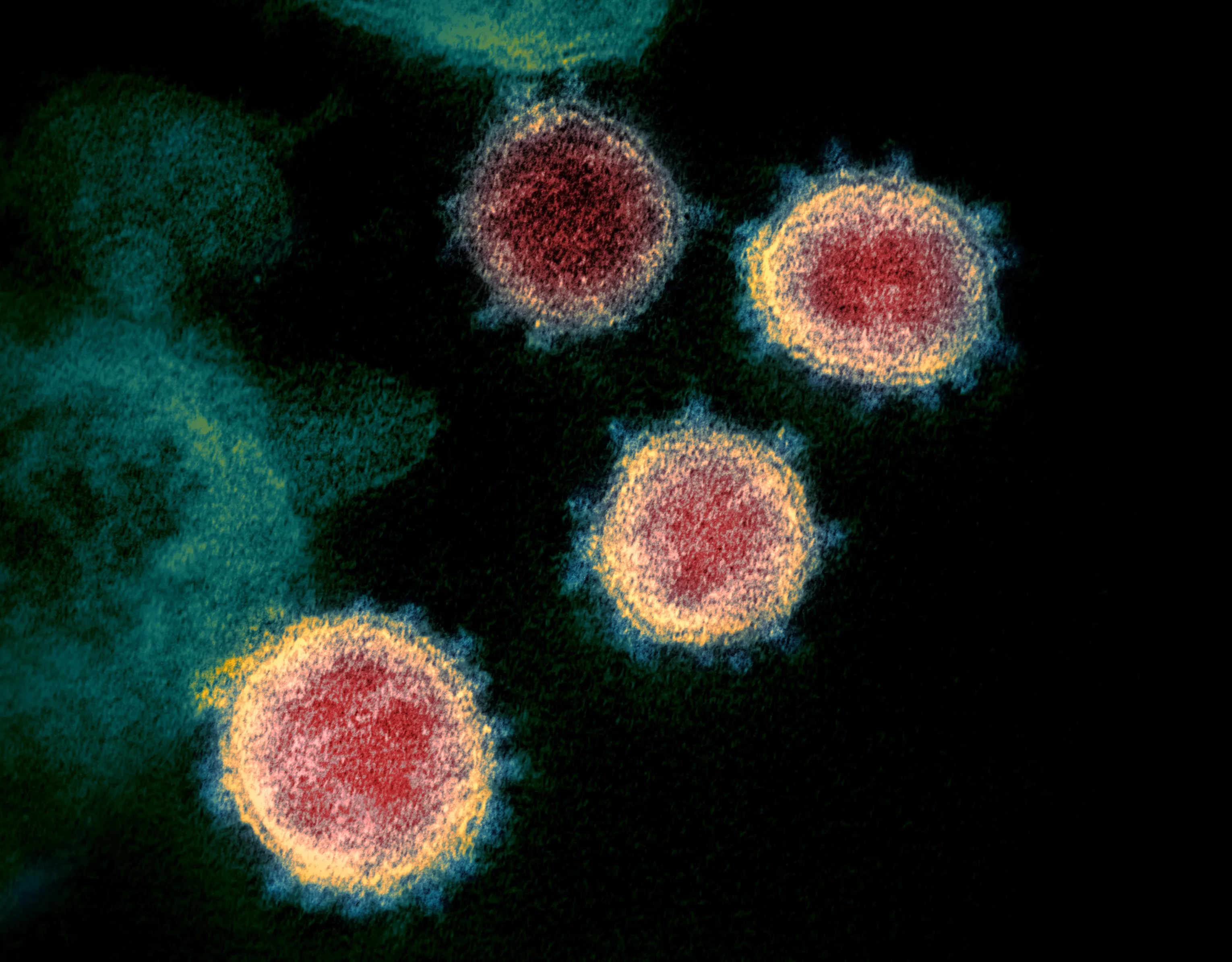

Read international coverage of the coronavirus pandemic and related global events.
Explore News
Visit the statistics section for data related to the coronavirus pandemic.
View Stats

Stay oriented with the site’s described live update format.
Read updates
A report from Human Rights Watch was featured among the site’s world news headlines.
Read More
The site featured this headline in its world news coverage.
Read More
The article covered the beginning of arguments by phone during the pandemic.
Read More
The site reported on the WHO chief’s self-quarantine after contact with a person who tested positive.
Read More
The site published an article discussing possible smartphone data sharing.
Read More
The site published an article on the initiative described in the headline.
Read More
The site discussed the subject of hoax martial law emails in a coronavirus article.
Read MoreA study finds COVID-19 infection during pregnancy increases risk of preterm birth, adding a clinically important reason for pregnant Australians to test promptly, seek treatment early and stay connected with their maternity team. Preterm birth means a baby is born before 37 completed weeks of pregnancy. Early delivery can affect neonatal care, feeding and length of hospital stay, so the finding matters even when the infection initially appears mild.
The research signals a higher group-level risk rather than a certain outcome for every pregnancy. The evidence came largely from pandemic conditions before widespread vaccination and antiviral treatment, and Australian readers should understand it alongside current clinical guidance. Still, the central message is clear: COVID-19 is not merely a respiratory illness to be managed after the birth; it can affect the course of pregnancy.
Using records from March 2020 to June 2021, researchers examined 2,292 pregnancies in an Ontario cohort. About 13.3% of the participants had a documented SARS-CoV-2 infection. The analysis, published in JAMA Network Open, compared pregnancy outcomes with those recorded among people who had not tested positive during pregnancy.
Preterm birth occurred in approximately 6.7% of pregnancies affected by COVID-19, compared with 4.2% in the uninfected group. After adjustment for several maternal and obstetric factors, the analysis estimated roughly 2.4 times the odds of preterm birth following infection. The elevated risk was more pronounced with severe COVID-19, showing that the severity of the illness mattered.
The pattern did not establish that the virus directly caused every early delivery. The report suggested that many of the additional preterm births were medically indicated, meaning clinicians planned delivery because maternal illness, placental concerns or fetal wellbeing required earlier intervention. This distinction is important because infection can contribute indirectly to a decision that would not otherwise have been made.
Pregnancy changes immune activity, blood flow and the balance between the mother and placenta. A significant infection can trigger inflammatory pathways that affect placental function. Fever, dehydration and reduced oxygen levels may also place additional stress on the mother and fetus, while severe disease can interfere with blood supply and oxygenation.
Some of the observed association may reflect shared risk factors rather than a single biological mechanism. Older age, obesity, diabetes, high blood pressure, immune conditions and other factors can increase the likelihood of both severe COVID-19 and preterm birth. Researchers attempted to account for these variables, but an observational study cannot completely remove every possible source of bias.
Pregnancy can also change the behaviour of latent infections. A clinical review of herpes recurrence triggers describes how illness, fever, stress and hormonal changes can reactivate the herpes virus, although that review does not provide evidence about COVID-19. The comparison illustrates why clinicians consider the whole pregnancy history rather than treating an infection as an isolated event.
A fever, persistent cough, sore throat, unusual fatigue, loss of smell or taste, or flu-like symptoms should be discussed promptly with a GP, midwife or maternity unit. The patient should state that they are pregnant, how many weeks along the pregnancy is and whether there are any complications. Testing can then be arranged through the appropriate pathway, with a rapid antigen test or PCR used according to local clinical advice.
Early assessment allows the maternity team to consider antiviral treatment, medicines that are safe during pregnancy, monitoring requirements and ways to reduce exposure to other patients. Antivirals can be important for some pregnant people, particularly when started soon after symptoms begin, but eligibility depends on factors such as illness severity, timing and medical history. Antibiotics, steroids and other medicines should not be started or changed without clinical advice.
Breathlessness, chest pain, confusion, blue or grey lips, coughing blood, severe dehydration or reduced fetal movement require urgent assessment. In Australia, patients can call 000 for an emergency or Healthdirect on 1800 022 222 for clinical advice. A positive result should also be communicated to the birth suite or maternity team, even if the person feels well, because it may alter the timing and format of antenatal appointments.
Current Australian advice also supports keeping COVID-19 vaccination up to date during pregnancy. The cohort data were collected before vaccination was widely available, so they should not be used to estimate the current risk for a vaccinated person. A GP, obstetrician or midwife can provide advice based on the latest Australian immunisation guidance and the patient’s pregnancy, medical history and current infection.
Australia’s health system provides most pregnancy care through public maternity hospitals, with many families also using private obstetricians or privately insured hospital services. Medicare covers eligible antenatal and inpatient care, while private care can involve insurer rebates, hospital charges and possible out-of-pocket gaps. GPs commonly refer patients to hospital clinics or obstetricians, and shared-care arrangements allow midwives and doctors to divide antenatal responsibilities.
Large maternity hospitals in Melbourne, Sydney, Brisbane, Adelaide and Perth generally have obstetric, neonatal and critical-care teams on site. Families in regional and remote areas may receive care through a local hospital, community maternity service or visiting specialist, with telehealth helping when distance makes travel difficult. Some high-risk pregnancies still require transfer to a larger centre, so geography can influence both the pathway to care and the need for additional monitoring.
Australian families commonly hear the terms antenatal, birth suite, midwife, obstetrician and growth scan during their care. These services can be adapted when someone is infectious: appointments may move online, waiting areas may use separate pathways, and some face-to-face checks may still be required. Telehealth cannot replace blood tests, ultrasound or physical assessment in every case, but it can reduce unnecessary travel and exposure during an outbreak.
Culturally safe care and accessible interpreters are also important. Aboriginal and Torres Strait Islander patients may prefer to involve an Aboriginal Medical Service or community health practitioner, while families with limited English may need professional interpreting rather than reliance on relatives. National data held through the Australian Institute of Health and Welfare and state perinatal registries can help identify trends, while privacy protections limit the publication of identifiable pregnancy information.
The study offers important evidence, but its design cannot answer every causal question. A relative increase in risk can sound alarming when the absolute difference is smaller, and clinical decisions may influence the measured outcome. Later research has continued to find that vaccination reduces the likelihood of severe COVID-19 during pregnancy. Updated Australian guidance and outcomes from vaccinated patients therefore provide a more useful basis for present-day counselling than the original cohort’s absolute rates alone.
False claims can also make people delay testing or reject recommended care. Crisis-era scams exploited fear and official-looking language, as documented in reports about martial law email claims. Such messages were never legitimate clinical advice. They demonstrate how alarming narratives can circulate quickly during a public health emergency, especially when people are making decisions under stress.
Reliable guidance comes from the relevant health service, RANZCOG, the Australian College of Midwives, Healthdirect and official immunisation advice. An early positive test should lead to a conversation with the maternity team, not to online speculation or self-treatment. The clearest practical lesson from the research is that infection during pregnancy warrants timely assessment, while vaccination, prevention and access to supportive maternity care remain central to reducing harm.