
Venezuela using coronavirus as cover to crack down on dissent, report claims
A report from Human Rights Watch was featured among the site’s world news headlines.
Read MoreLive world news related to the coronavirus (COVID-19) pandemic, updated by the minute. Follow global developments, statistics, and selected cryptocurrency news.
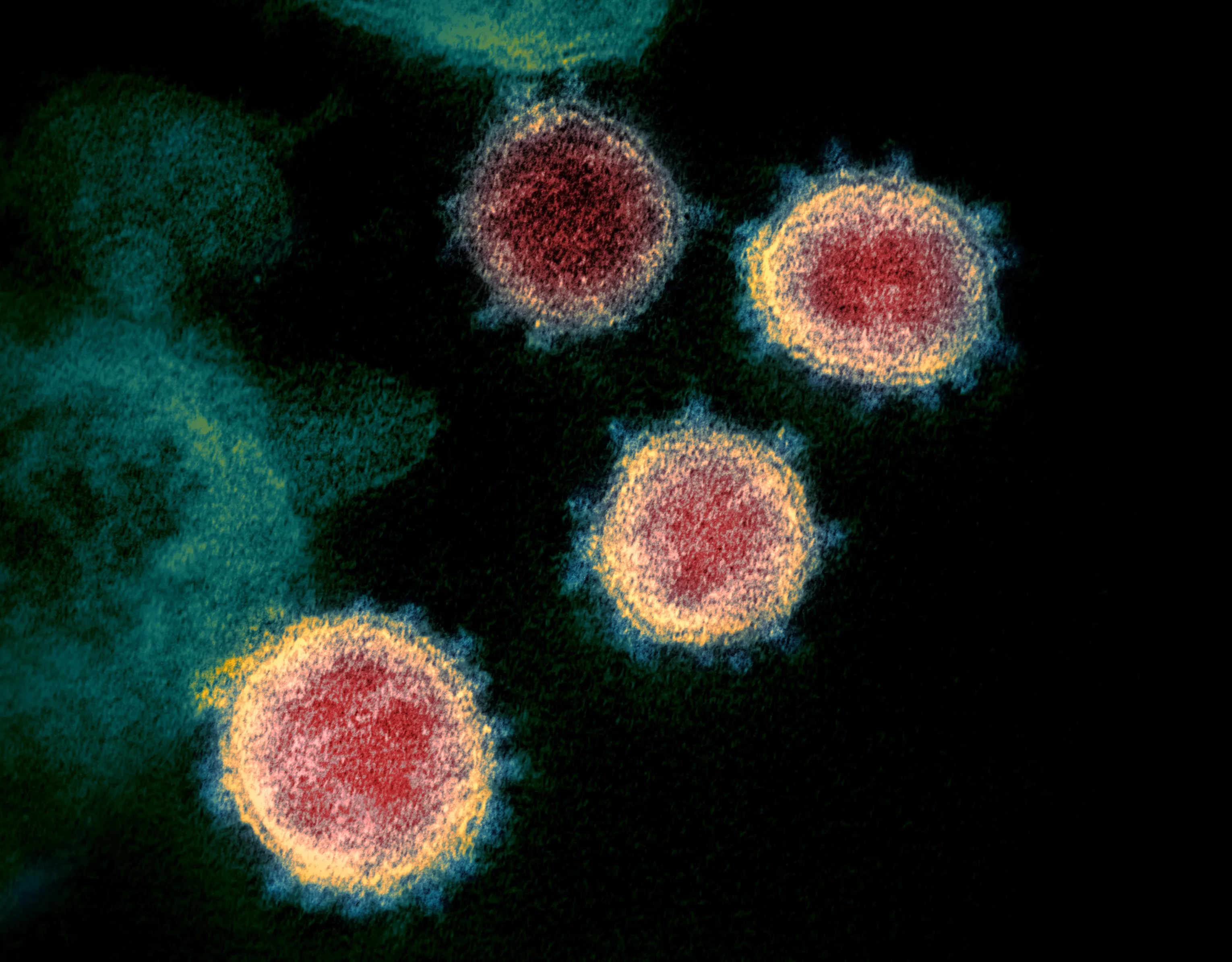

Read international coverage of the coronavirus pandemic and related global events.
Explore News
Visit the statistics section for data related to the coronavirus pandemic.
View Stats

Stay oriented with the site’s described live update format.
Read updates
A report from Human Rights Watch was featured among the site’s world news headlines.
Read More
The site featured this headline in its world news coverage.
Read More
The article covered the beginning of arguments by phone during the pandemic.
Read More
The site reported on the WHO chief’s self-quarantine after contact with a person who tested positive.
Read More
The site published an article discussing possible smartphone data sharing.
Read More
The site published an article on the initiative described in the headline.
Read More
The site discussed the subject of hoax martial law emails in a coronavirus article.
Read MoreA new study shows COVID-19 can cause long-term kidney damage in survivors, adding a renal dimension to the pandemic’s lasting health burden. Researchers are examining kidney function long after the acute illness has passed, rather than focusing only on whether patients survived hospital admission. The concern is persistent loss of filtering capacity and protein leakage into urine.
The findings do not mean every person who catches the virus will develop chronic kidney disease. Risk varies with illness severity, age, vaccination and conditions such as diabetes, high blood pressure or pre-existing renal impairment. Australians who experienced acute kidney injury or required intensive care have particular reasons to discuss follow-up with a GP, even if they feel well again.
Researchers distinguish acute kidney injury during an infection from chronic kidney disease that emerges or persists later. Acute kidney injury is a sudden decline in filtration, often identified through blood tests. If filtration does not return to its previous level after recovery, the person may face a higher long-term risk of progressive renal dysfunction.
Kidney damage can be measured through several clinical markers. A reduced estimated glomerular filtration rate may indicate that the kidneys are filtering less effectively. Protein in urine, particularly elevated albumin, can suggest that the filtering barrier has been affected. Imaging and, in selected cases, kidney biopsy may provide further information about structural changes.
Long-term in these studies may refer to months or years rather than a fixed period. The evidence also needs cautious interpretation. Age, obesity, diabetes, hypertension and treatment during hospitalisation can affect later kidney outcomes, so an observational association does not prove that SARS-CoV-2 directly caused every case of chronic disease.
SARS-CoV-2 can reach kidney tissue, and renal cells contain biological pathways that may allow infection. Direct viral injury is only part of the possible mechanism. Inflammation, oxidative stress and small blood clots can also reduce kidney function, particularly during severe systemic illness.
Dehydration, low blood pressure and reduced oxygen delivery place additional stress on the kidneys. Some medicines used during an infection may affect renal function in particular circumstances, while severe disease can require intensive haemodynamic support. These factors can act together, making it difficult to isolate one cause.
The risk of persistent kidney abnormalities generally rises with the severity of COVID-19. Hospital-acquired acute kidney injury, ventilation and intensive care are stronger warning signs than an uncomplicated infection. Vaccination does not eliminate every risk, but reducing severe disease can also reduce the likelihood of complications involving vital organs.
Kidney dysfunction often has no obvious early symptoms. A survivor may have returned to normal activity while filtration remains reduced or albumin loss continues. Follow-up gives clinicians an opportunity to compare post-illness results with earlier measurements and determine whether an abnormality is temporary or persistent.
Two common checks are the estimated glomerular filtration rate and the urine albumin-to-creatinine ratio. The first estimates how much blood the kidneys filter each minute; the second assesses albumin leakage. A single abnormal result may reflect dehydration, acute illness or low muscle mass, so repeat testing and clinical context remain important.
Australia’s mixed public and private health market provides several routes to this care. Medicare rebates help eligible patients see a GP, who can order kidney blood and urine tests and refer them to a nephrologist when needed. Major renal services operate across Sydney, Melbourne, Brisbane, Perth and Adelaide, although many stable patients are managed closer to home through community care.
Kidney disease does not affect every community equally. Aboriginal and Torres Strait Islander people experience a higher burden of chronic kidney disease and kidney failure, particularly in areas affected by diabetes, hypertension and intergenerational disadvantage. Aboriginal Community Controlled Health Organisations provide culturally safe care that can improve screening, treatment planning and trust.
Distance adds another difficulty for many regional and remote families. Residents of central and northern Australia may need to travel long distances for pathology, specialist reviews or dialysis. Telehealth can reduce some barriers, but it cannot replace services that require physical examination or regular treatment. ANZDATA, the Australian and New Zealand Dialysis and Transplant Registry, tracks many of these clinical outcomes.
Financial stress and unsafe living conditions can also disrupt renal care. The pandemic’s wider effects on household safety are examined in domestic violence during COVID-19, while unstable housing and limited income may make it harder to attend appointments, transport a patient to dialysis or afford ongoing medicines.
Post-COVID care should reflect each person’s illness severity and baseline health. Those with hospital-acquired kidney injury, persistent breathing problems or several chronic conditions may need earlier review. A previous diagnosis of diabetes, hypertension or reduced kidney function can also change the appropriate monitoring pathway.
Reliable background information is useful when preparing for a clinical appointment. An external resource such as MyStars Sanofi can complement, rather than replace, Australian product information, PBS listings and advice from a qualified clinician.
These measures do not treat every post-COVID symptom as renal disease. They support earlier recognition of people whose filtration capacity, urine findings or blood pressure has changed, while preserving a clear distinction between transient illness and lasting damage.
Not every survivor follows the same renal pathway. Some have normal kidney function after an uncomplicated infection, while others experience a temporary fall that resolves. A smaller group has persistent abnormalities requiring ongoing management, and severe kidney failure may require dialysis or transplantation assessment.
| Post-COVID kidney pattern | Possible clinical meaning | Australian follow-up approach | Important caution |
|---|---|---|---|
| Normal function after mild illness | No detectable renal injury at that time | Routine primary care and symptom review | COVID-19 does not rule out later non-kidney illness |
| Acute kidney injury during hospitalisation | Increased risk of persistent dysfunction | Review hospital results and repeat blood and urine testing | Severity of the original injury influences later care |
| Reduced filtration or elevated urine albumin after recovery | Possible chronic kidney disease | GP monitoring and selected nephrology referral | Abnormalities may improve and should be confirmed |
| Progressive decline or advanced kidney disease | Higher risk of kidney failure | Specialist management of medicines, dialysis or transplant assessment | Lifestyle and vaccination cannot reverse advanced scarring |
Longitudinal follow-up can distinguish temporary changes from persistent disease and help prevent another avoidable decline. If damage progresses, nephrology teams in Australian public hospitals and private renal services can assess whether medicines, dialysis or transplantation are appropriate. The need for specialist care remains an individual clinical decision based on kidney function, albumin loss, existing conditions and the trajectory of recovery.