
Venezuela using coronavirus as cover to crack down on dissent, report claims
A report from Human Rights Watch was featured among the site’s world news headlines.
Read MoreLive world news related to the coronavirus (COVID-19) pandemic, updated by the minute. Follow global developments, statistics, and selected cryptocurrency news.

Read international coverage of the coronavirus pandemic and related global events.
Explore News
Visit the statistics section for data related to the coronavirus pandemic.
View Stats

Stay oriented with the site’s described live update format.
Read updates
A report from Human Rights Watch was featured among the site’s world news headlines.
Read More
The site featured this headline in its world news coverage.
Read More
The article covered the beginning of arguments by phone during the pandemic.
Read More
The site reported on the WHO chief’s self-quarantine after contact with a person who tested positive.
Read More
The site published an article discussing possible smartphone data sharing.
Read More
The site published an article on the initiative described in the headline.
Read More
The site discussed the subject of hoax martial law emails in a coronavirus article.
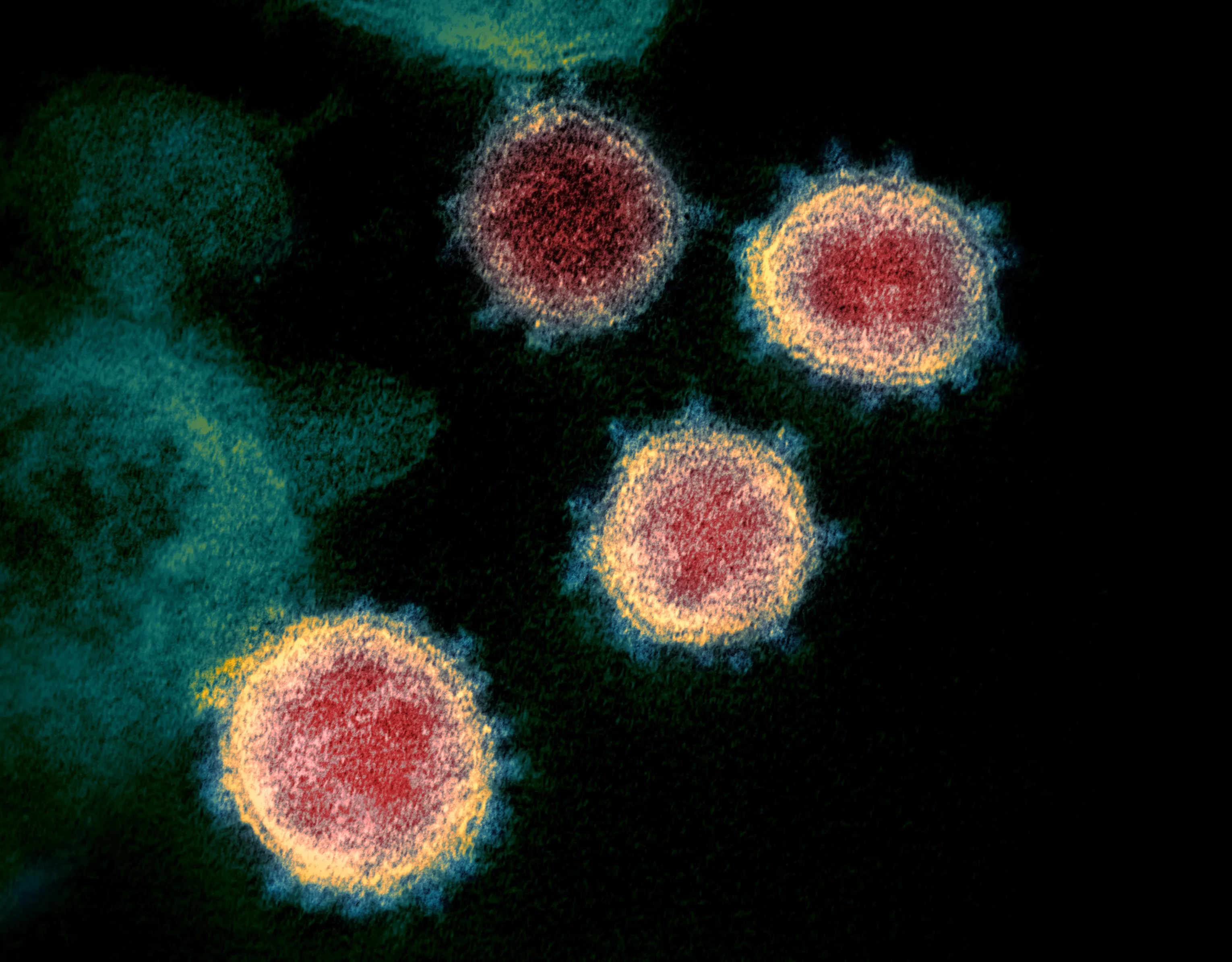
Read MoreA new study has renewed attention on how long SARS-CoV-2 can remain biologically active after it enters the body. Researchers report that, in selected human cell systems, the virus was able to infect cells and produce new viral material over a period lasting weeks. The finding adds detail to the discussion about persistent infection, long COVID and why recovery can vary greatly between individuals.
The result does not mean that every person with COVID-19 remains infectious for weeks. Laboratory cell models, tissue samples and clinical observations answer different questions, and a positive PCR test can detect leftover genetic fragments after live virus has disappeared. The central issue is whether viable virus is still replicating, where it is located, and whether it can be transmitted to another person.
For Australians, the news arrives after several years of changing advice about masks, testing, vaccination and isolation. People in Sydney, Melbourne, Brisbane, Perth and regional communities continue to encounter the virus through workplaces, schools, public transport and family gatherings, even though emergency-era restrictions have largely ended.
The study also helps explain why a single negative rapid antigen test should not always be treated as definitive evidence that an infection has ended. Test timing, the body site sampled, immune status and the quality of the sample can all influence the result. Clinical decisions still need to be based on symptoms, risk factors and advice from a healthcare professional.
| Issue | What the finding may indicate | What it does not prove |
|---|---|---|
| Replication in cells | SARS-CoV-2 can remain biologically active in some human cell environments | Everyone carries infectious virus for weeks |
| Persistent symptoms | Ongoing inflammation or viral activity may contribute in some cases | Every long COVID symptom is caused by live virus |
| PCR results | Genetic material may remain detectable after infection | A positive PCR automatically means a person is contagious |
| Public health | Extra care may be warranted around vulnerable people | Broad lockdowns or indefinite isolation are justified |
| Treatment | Timing and risk assessment remain important | Existing vaccines and antivirals are ineffective |
The important distinction is between viral persistence and viral shedding. Persistence refers to virus or viral material remaining in a part of the body. Shedding refers to its release from the body, such as through the nose or mouth, in a form that may infect someone else. Replication means the virus is actively using host cells to make new copies.
Earlier research has found SARS-CoV-2 genetic material in respiratory tissue, the gut and other body sites after the acute phase of illness. Some studies have also identified subgenomic RNA or other signs consistent with recent viral activity. The new finding is significant because it focuses attention on whether human cells can support ongoing replication for longer than the usual period associated with uncomplicated respiratory infection.
Laboratory evidence must be interpreted carefully. Cells grown in a dish do not reproduce the full immune response, blood circulation, mucus barriers and tissue structure of a living person. Even when researchers recover infectious virus from a sample, that does not automatically show that the person is releasing enough virus to infect others.
Viruses depend on host cells. Once SARS-CoV-2 enters a susceptible cell, its genetic instructions can redirect the cell’s machinery towards producing viral proteins and new particles. The immune system usually limits this process, but the speed and effectiveness of that response differ according to age, previous exposure, vaccination, underlying illness and the viral variant involved.
Some tissues may provide conditions that allow viral material to persist after symptoms improve. The gastrointestinal tract has attracted particular interest because it contains many immune cells and ACE2 receptors, which SARS-CoV-2 uses as part of its entry process. This does not mean the gut is always a hidden reservoir, but it gives researchers a reason to investigate digestive symptoms and prolonged viral activity.
The body can also retain fragments of viral RNA after replication has stopped. This is why PCR testing is highly sensitive but cannot, by itself, distinguish live virus from inactive remnants. Virus culture and other laboratory methods are better suited to assessing infectivity, although they are slower, less accessible and difficult to apply routinely in general practice.
Long COVID covers a broad group of symptoms that continue or appear after the initial infection. Fatigue, post-exertional worsening, breathlessness, brain fog, altered smell, palpitations and sleep disturbance are frequently reported. Persistent viral activity could be one contributor for some people, alongside immune dysregulation, inflammation, blood-vessel changes and damage caused during the original illness.
A prolonged presence of viral material does not establish a single cause for every symptom. Two people may have similar positive tests but very different recovery paths. Someone with ongoing abdominal pain, changes in bowel habits or rectal bleeding should receive a proper medical assessment rather than assuming the symptoms are part of COVID-19; background information about colon polyps illustrates why unrelated conditions also need consideration.
Research into persistent infection may eventually identify groups who benefit from a different treatment approach. At present, there is no widely accepted test that can prove live SARS-CoV-2 is driving an individual’s long-term symptoms. Clinicians generally assess the full history and exclude other conditions before diagnosing post-acute sequelae of COVID-19.
Australia’s experience has been shaped by dense urban centres and long travel distances. A respiratory outbreak can move quickly through Sydney and Melbourne commuter networks, while regional towns may have fewer specialist services and longer journeys to medical care. Winter increases indoor contact, and crowded trams, trains, classrooms and offices can make ventilation more important.
Public health rules are now largely managed through ordinary state and territory health systems rather than the exceptional restrictions used during earlier waves. Advice can vary by jurisdiction and setting, particularly for hospitals, disability services and residential aged-care facilities. People who are unwell are generally encouraged to stay home, avoid high-risk contacts and follow current local health guidance.
The local market has also changed. Rapid antigen tests are sold through pharmacies and supermarkets, while GP appointments may be in person or delivered by telehealth. Access to COVID-19 antivirals through the Pharmaceutical Benefits Scheme depends on eligibility, timing and a prescription. Older adults and people with conditions that increase the risk of severe disease should contact a doctor promptly after symptoms begin because some treatments work best when started early.
Wastewater monitoring, hospital admissions and sentinel surveillance remain useful indicators in Australia. They can show that transmission is rising even when fewer people seek testing. However, these systems cannot determine whether an individual has live virus in a particular organ, so they complement rather than replace clinical assessment.
A rapid antigen test is more likely to detect infection when the viral load is high. Testing too early, using an expired kit, taking an inadequate nasal sample or testing after symptoms have begun to fade can produce a negative result even when infection is present. Repeating a test according to current health advice can provide more useful information than relying on one result.
PCR testing is more sensitive and may remain positive for longer. That extended detection window can be helpful for diagnosis but confusing for people who want to know whether they are contagious. A healthcare provider may consider symptoms, the time since onset, immune status and the setting in which the person needs to return.
The pandemic also showed how public health measures can involve personal information. During the emergency, governments and technology companies explored whether smartphone location or proximity data could support contact tracing. Debate over consent, retention and surveillance remains relevant, especially as Google and Facebook data raises questions about the balance between faster outbreak response and privacy.
For most households, practical risk reduction remains straightforward: improve indoor airflow, stay home while acutely unwell, consider a well-fitting mask in crowded settings and protect people at higher risk. Vaccination continues to reduce the likelihood of severe disease, although protection against infection and transmission can change as immunity wanes and new variants emerge.
A prolonged recovery deserves attention without assuming that every symptom represents ongoing contagiousness. People should keep a record of symptom changes, test dates, medication use and activities that trigger a setback. That information can help a GP identify patterns and decide whether further assessment is appropriate.
Extra caution is sensible around older relatives, people receiving chemotherapy, transplant recipients and residents of aged-care facilities. In Australia, family visits and community events often involve multigenerational households, so postponing close contact while experiencing fever, coughing or a new respiratory illness can reduce avoidable exposure.
These measures do not require people to treat every positive test as evidence of weeks of contagiousness. They reflect uncertainty while recognising that the consequences of transmission can be much greater for some households than for others.
The next stage of research will need to connect laboratory observations with real-world patient outcomes. Scientists must determine which tissues support replication, how often persistent activity occurs, whether it differs between variants and whether it is associated with particular long COVID patterns. They also need reliable ways to distinguish infectious virus from harmless residual RNA.
Sampling is a major challenge. A nasal swab may be negative while viral material remains in another body site, but invasive tissue sampling is not appropriate for routine monitoring. Researchers therefore need safer biomarkers, improved imaging and carefully designed longitudinal studies that follow people from the first days of infection through recovery.
The findings may eventually influence treatment trials, isolation advice and the design of vaccines that provide broader protection. For now, the clearest message is measured rather than alarming: SARS-CoV-2 may remain capable of replicating in certain human cell environments for weeks, but this laboratory result does not mean that everyone with COVID-19 is infectious for that entire period. Distinguishing persistence, replication and transmission will be essential to understanding the continuing pandemic.