
Venezuela using coronavirus as cover to crack down on dissent, report claims
A report from Human Rights Watch was featured among the site’s world news headlines.
Read MoreLive world news related to the coronavirus (COVID-19) pandemic, updated by the minute. Follow global developments, statistics, and selected cryptocurrency news.

Read international coverage of the coronavirus pandemic and related global events.
Explore News
Visit the statistics section for data related to the coronavirus pandemic.
View Stats

Stay oriented with the site’s described live update format.
Read updates
A report from Human Rights Watch was featured among the site’s world news headlines.
Read More
The site featured this headline in its world news coverage.
Read More
The article covered the beginning of arguments by phone during the pandemic.
Read More
The site reported on the WHO chief’s self-quarantine after contact with a person who tested positive.
Read More
The site published an article discussing possible smartphone data sharing.
Read More
The site published an article on the initiative described in the headline.
Read More
The site discussed the subject of hoax martial law emails in a coronavirus article.
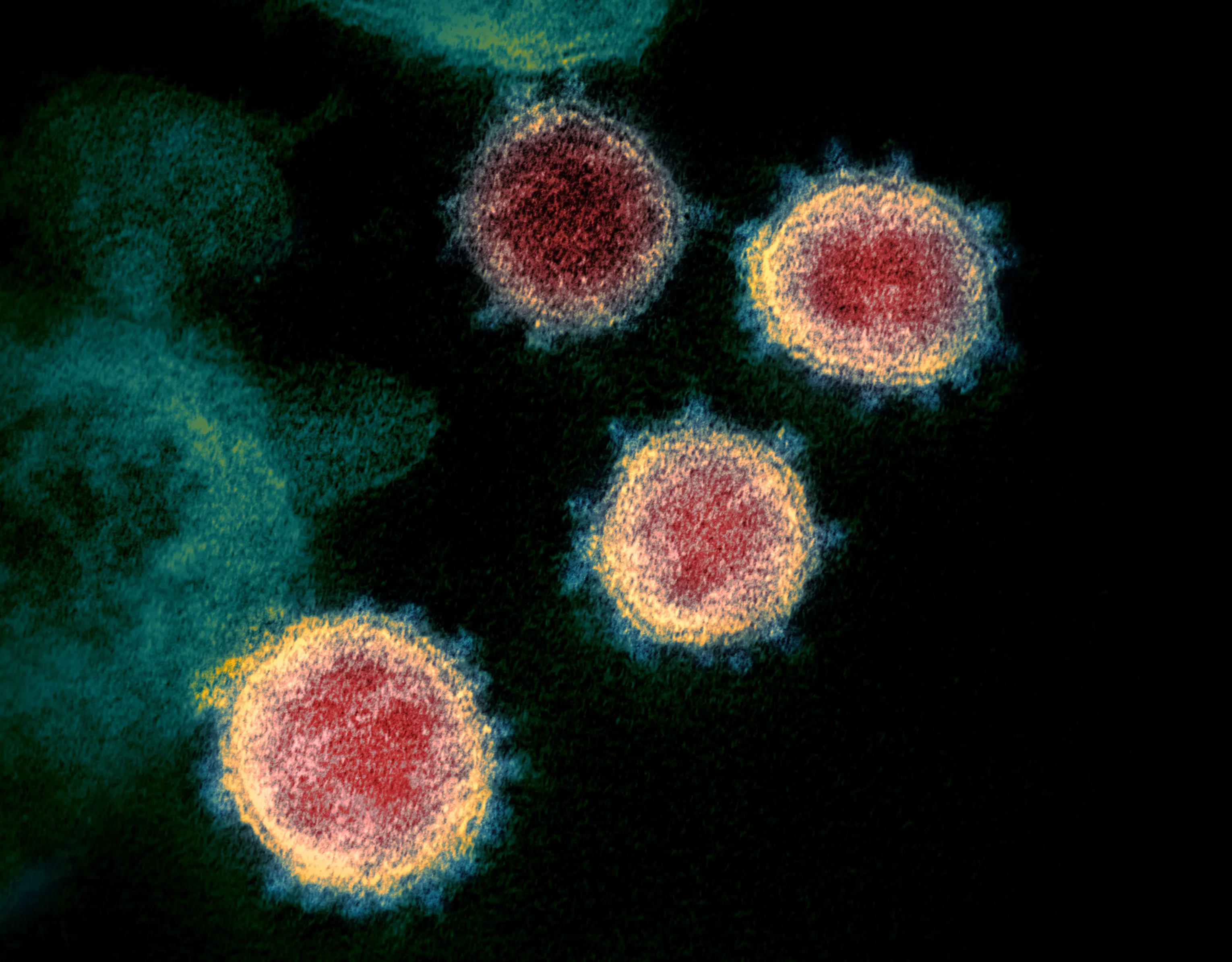
Read MoreRecent studies from multiple countries indicate that SARS-CoV-2, the virus responsible for the COVID-19 pandemic, can trigger significant inflammation within the brain and may lead to lasting neurological injury. Researchers have identified the presence of viral particles in brain tissue, along with elevated markers of inflammation, in patients who experienced severe respiratory symptoms as well as those with milder initial infections. The findings are reshaping scientific understanding of how the coronavirus affects the human body beyond the lungs.
The implications extend well beyond hospital wards. In Australia, where more than 11 million people have contracted COVID-19 since the pandemic began, neurologists are observing a rise in patients reporting memory fog, persistent headaches, and cognitive difficulties months after their initial recovery. Health authorities in Canberra and state governments are now grappling with how to support a growing cohort of individuals whose symptoms do not fit neatly into existing diagnostic frameworks.
A growing body of research points to the coronavirus crossing the blood-brain barrier and triggering inflammatory responses within neural tissue. Post-mortem studies conducted in the United Kingdom and the United States have revealed microglial activation, a sign of brain inflammation, in patients who died from COVID-19. Similar findings appeared in imaging studies of survivors, where MRI scans showed structural changes in regions associated with memory and executive function.
Scientists have also detected viral RNA in cerebrospinal fluid, suggesting the virus can reach the central nervous system directly. While the exact route remains debated, possibilities include infection through the olfactory nerve, breach of the blood-brain barrier, or indirect pathways involving systemic inflammation. The evidence has shifted the conversation from COVID-19 being solely a respiratory illness to a disease with multi-organ consequences.
Australian researchers at the University of Melbourne and the Florey Institute have contributed to this understanding through collaborative international studies. Their work has confirmed that even young, previously healthy adults can show measurable cognitive changes months after infection. Participants in one Melbourne-based study demonstrated slower processing speeds and reduced attention spans compared to controls, results that align with similar research out of São Paulo and Copenhagen.
The mechanisms behind COVID-19 related brain damage appear to involve both direct viral effects and the body's own immune response. When the virus enters neural tissue, it can bind to ACE2 receptors present on certain brain cells, potentially altering their function. At the same time, the immune system releases cytokines and other inflammatory molecules that, while intended to fight infection, can inadvertently damage healthy neurons.
This dual assault has been linked to a range of outcomes, from temporary confusion during acute illness to longer-term conditions resembling autoimmune encephalitis. Some patients develop symptoms similar to those seen in multiple sclerosis or Parkinson's disease, raising questions about whether COVID-19 might predispose certain individuals to neurodegenerative processes later in life.
Vascular effects compound the problem. The coronavirus can cause blood clots and damage to small blood vessels, including those supplying the brain. Strokes have been reported in COVID-19 patients at higher rates than in the general population, and these events can cause irreversible injury depending on the region affected. The combination of inflammation, vascular complications, and direct neuronal invasion makes COVID-19 a uniquely threatening pathogen from a neurological standpoint.
For many Australians, the most immediate concern is not the acute illness but the lingering symptoms that follow. Long COVID, characterised by persistent fatigue, breathlessness, and cognitive dysfunction, has emerged as a significant public health challenge. In Sydney and Brisbane, dedicated long COVID clinics have opened to address the needs of patients who struggle to return to their previous levels of functioning.
Cognitive symptoms, sometimes described as brain fog, include difficulty concentrating, memory lapses, and word-finding problems. These issues can interfere with work, study, and daily activities, affecting everything from managing household budgets to navigating busy commutes on Melbourne's tram network. Patients often report feeling frustrated by the lack of visible symptoms, making it harder for colleagues and family members to understand their limitations.
When energy levels are limited, many patients look for low-effort entertainment that can be enjoyed from the couch, and some find that reviewing a jackpot instant play casino helps them identify accessible platforms for occasional relaxation during recovery. These small comforts can provide a sense of normalcy when everyday life feels disrupted by ongoing symptoms.
Recovery timelines vary considerably. While some patients improve within six to twelve months, others experience symptoms for much longer. Researchers at the Kirby Institute in Sydney are tracking hundreds of patients over several years to determine which factors predict recovery and which interventions might help. Early findings suggest that gradual exercise, cognitive rehabilitation, and adequate sleep can support recovery, though no standardised treatment protocol yet exists.
The Therapeutic Goods Administration has approved several treatments for COVID-19, but options specifically targeting neurological complications remain limited. Medicare rebates now cover certain consultations with neurologists for patients experiencing persistent symptoms, though waiting times in the public system can stretch beyond three months in cities like Perth and Adelaide.
State health departments have responded differently. Victoria has invested heavily in multidisciplinary long COVID clinics, while New South Wales has focused on upskilling general practitioners to recognise and manage neurological symptoms in primary care. Queensland has taken a decentralised approach, establishing telehealth services that allow patients in regional areas such as Townsville and Cairns to access specialist input without travelling to Brisbane.
Workplace considerations have also entered the conversation. Under the Fair Work Act, employees experiencing long COVID symptoms may be entitled to reasonable adjustments from employers. Some companies in Sydney's financial district have introduced phased return-to-work programs for staff recovering from the virus, acknowledging that cognitive recovery can be uneven and unpredictable. These initiatives reflect a broader recognition that returning to work after COVID-19 requires flexibility and understanding.
Awareness of COVID-19 related neurological symptoms has improved, but many Australians still hesitate to seek help for cognitive changes. Persistent headaches that differ from previous patterns, sudden mood changes, and difficulty performing familiar tasks should prompt medical attention. In emergencies, such as sudden confusion, weakness on one side of the body, or difficulty speaking, immediate medical care is essential as these may indicate stroke.
General practitioners can conduct initial assessments and refer patients to specialists when needed. Tools such as the Montreal Cognitive Assessment are sometimes used to gauge cognitive function, though more detailed neuropsychological testing may be required for subtle deficits. Patients are encouraged to keep symptom diaries to help clinicians identify patterns and tailor treatment plans.
Support groups have proliferated across the country, both in person and online. Organisations such as Long COVID Australia provide resources and community connections for affected individuals. These networks have proven invaluable for sharing experiences and practical advice, from managing fatigue to navigating the National Disability Insurance Scheme for those with severe, ongoing symptoms.
The scientific community continues to investigate why some people develop neurological complications while others do not. Genetic factors, pre-existing conditions, and the severity of initial infection all appear to influence risk, but the precise interplay remains unclear. Large-scale studies funded by the National Health and Medical Research Council are underway to answer these questions and identify potential therapeutic targets.
Pharmaceutical companies are also exploring treatments that could mitigate brain inflammation following COVID-19. Anti-inflammatory drugs, anticoagulants, and antiviral medications are all under investigation, though clinical trials take time to produce reliable results. Public health experts continue to emphasise the importance of vaccination and booster doses, which remain effective at reducing the risk of severe illness and, by extension, the likelihood of complications including neurological ones.
Beyond medical interventions, holistic wellness approaches are gaining attention. Resources such as kobe-isami offer information about lifestyle strategies that may support recovery, including nutrition guidance and stress management techniques that complement conventional medical care.
As research progresses, patients and clinicians alike are calling for clearer guidelines and better access to care. The pandemic has exposed gaps in the healthcare system and highlighted the need for sustained investment in neurological services. For the millions of Australians living with the after-effects of COVID-19, the hope is that science will deliver answers sooner rather than later, helping them reclaim the cognitive clarity and quality of life they once enjoyed.
| Aspect | COVID-19 | Seasonal Influenza | Other Common Viruses |
|---|---|---|---|
| Brain inflammation | Documented in multiple studies | Rare, mostly in children | Not typically associated |
| Blood-brain barrier breach | Evidence of direct entry | Uncommon | Rare |
| Long-term cognitive effects | Frequently reported | Generally resolves | Minimal |
| Stroke risk | Elevated during infection | Slight increase | No established link |
| ACE2 receptor involvement | Primary entry mechanism | Does not apply | Varies |