
Venezuela using coronavirus as cover to crack down on dissent, report claims
A report from Human Rights Watch was featured among the site’s world news headlines.
Read MoreLive world news related to the coronavirus (COVID-19) pandemic, updated by the minute. Follow global developments, statistics, and selected cryptocurrency news.
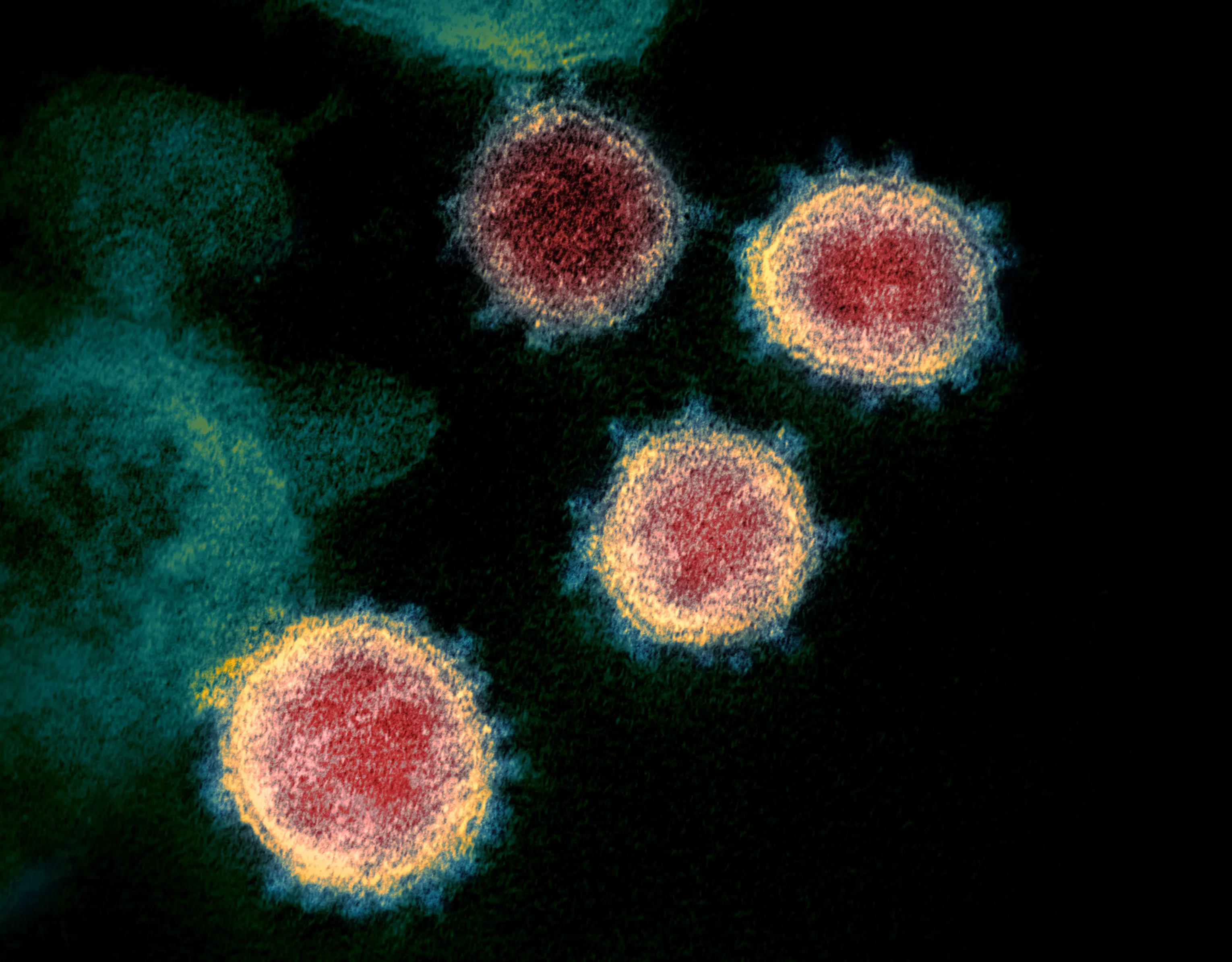

Read international coverage of the coronavirus pandemic and related global events.
Explore News
Visit the statistics section for data related to the coronavirus pandemic.
View Stats

Stay oriented with the site’s described live update format.
Read updates
A report from Human Rights Watch was featured among the site’s world news headlines.
Read More
The site featured this headline in its world news coverage.
Read More
The article covered the beginning of arguments by phone during the pandemic.
Read More
The site reported on the WHO chief’s self-quarantine after contact with a person who tested positive.
Read More
The site published an article discussing possible smartphone data sharing.
Read More
The site published an article on the initiative described in the headline.
Read More
The site discussed the subject of hoax martial law emails in a coronavirus article.
Read MoreCOVID-19 booster shots remain an important part of protection for people whose immune systems do not respond normally to infection or vaccination. Immunocompromised patients may produce a weaker or shorter-lasting immune response, leaving them more vulnerable to severe disease, hospitalisation and prolonged recovery.
The term covers a broad group of people. It can include patients receiving chemotherapy, organ or stem-cell transplant recipients, people taking high-dose immune-suppressing medicines, and some individuals with advanced or poorly controlled medical conditions. The level of risk varies, so a booster schedule that suits one patient may not suit another.
In Australia, vaccine advice can change as circulating variants, vaccine supplies and national recommendations develop. A GP, specialist, Aboriginal Community Controlled Health Service, participating pharmacy or state vaccination clinic can check a person’s records and recommend the appropriate timing. A booster is one layer of protection alongside prompt testing, ventilation and early access to antiviral treatment when eligible.
The immune system creates antibodies and cellular defences after vaccination. Medicines or illnesses that suppress immune activity can reduce that response. Some patients may still gain meaningful protection from a standard COVID-19 dose, while others may need an additional dose to reach a stronger level of protection.
An extra dose is different from a routine seasonal booster in some clinical circumstances. A person with significant immune suppression may be advised to receive additional primary doses because the initial course did not create the expected response. Later booster doses can help maintain protection as immunity declines and new variants circulate.
Risk also depends on age, previous infection, underlying disease and the treatment being used. A patient taking a short course of moderate medication may have different needs from someone who has recently received a transplant. The timing of an injection may need to be coordinated with chemotherapy, transplant medicines or a planned procedure.
A recent infection does not automatically remove the need for vaccination. It may affect the preferred interval, and the patient’s clinician can weigh recovery, previous doses and current risk. People with symptoms on the day of an appointment should follow the provider’s advice rather than attending while unwell.
Australia’s national recommendations are developed by the Australian Technical Advisory Group on Immunisation, commonly called ATAGI. Advice generally gives particular attention to people with severe immunocompromise, older adults and residents of aged-care settings. Eligibility, intervals and available products can change, so patients should check the current advice rather than rely on an old appointment reminder.
A GP can review the Australian Immunisation Register, medical history and medication list. Pharmacies may provide COVID-19 vaccinations for eligible age groups and circumstances, although services vary between states, territories and individual pharmacies. In regional and remote areas, local health services may coordinate clinics, while Aboriginal Community Controlled Health Services can provide culturally safe care for eligible Aboriginal and Torres Strait Islander patients.
Access is usually free for people covered by Australia’s public vaccination arrangements, but booking rules and participating providers differ. Someone in western Sydney may find a quick appointment at a large pharmacy, while a patient in the Kimberley, Far North Queensland or rural Tasmania may need to plan around visiting clinics and local supply. Calling ahead can confirm whether the provider has the suitable vaccine and can administer an immunocompromised-person dose.
Australians often call a vaccination a “jab”, and a chemist may be the most convenient option for a routine appointment. For complex immune conditions, however, the patient’s GP or specialist is usually best placed to decide the timing. The provider should record the dose so future clinicians can see an accurate history.
The right date for a booster depends on the treatment affecting the immune system. A transplant recipient should not change anti-rejection medicines without specialist instructions. Likewise, a person receiving cancer treatment should ask the oncology team whether vaccination should occur before a treatment cycle, between cycles or at another point.
Some medicines can temporarily reduce the immune response, but delaying vaccination can also leave a high-risk patient unprotected. There is no universal rule that applies to every biologic, steroid or chemotherapy regimen. The decision requires a balance between the expected vaccine response, infection risk and the consequences of interrupting treatment.
Patients should bring a current medication list, including dose and treatment dates. They should mention recent COVID-19 infection, previous vaccine reactions, allergies, transplant history, pregnancy, planned surgery and any history of myocarditis or pericarditis. These details help the clinician choose a safe product and explain whether an interval is needed.
A missed appointment does not mean the course must start again. Most people can continue from their recorded dose history, although an incomplete or uncertain record may require checking the Australian Immunisation Register or contacting earlier providers. Keeping a digital or printed vaccination record is especially useful when care is shared between a hospital and community clinic.
The main purpose of a booster is to reduce the likelihood of severe COVID-19 outcomes. Protection against infection and transmission can vary as the virus changes, but vaccination remains valuable for reducing the risk of serious illness, particularly when combined with early clinical assessment and antiviral access for eligible patients.
Common reactions include a sore arm, tiredness, headache, muscle aches, chills or a mild fever. These effects generally settle within a few days. Rest, fluids and ordinary comfort measures may help, although patients should follow personal medical advice, especially if kidney disease, liver disease or other conditions affect which medicines they can use.
Severe allergic reactions are uncommon, and vaccination providers are trained to observe patients and respond to emergencies. Chest pain, shortness of breath, fainting, a racing heartbeat or unusual symptoms after vaccination require prompt medical attention. A patient with a previous serious vaccine reaction should discuss it with a doctor before receiving another dose.
Online claims can make decisions harder for people already managing complex health problems. Claims such as those examined in false martial-law claims illustrate why readers should check the source, date and evidence behind alarming messages. Australian health departments, ATAGI, the Therapeutic Goods Administration and a treating clinician are more reliable sources than forwarded posts or anonymous social-media accounts.
Immunocompromised patients should have a plan for what to do after a positive test or the onset of COVID-like symptoms. Symptoms may include fever, cough, sore throat, congestion, fatigue, headache, body aches, nausea or shortness of breath. Some patients may deteriorate quickly, and early treatment can matter even when symptoms initially appear mild.
A GP or specialist can explain whether the patient may qualify for an oral antiviral or another treatment. Eligibility depends on factors such as age, immune status, medicines, kidney function and the time since symptoms began. Patients should not wait several days to seek advice if they have a high-risk condition.
Emergency symptoms include severe breathing difficulty, persistent chest pressure, confusion, blue or grey lips or face, collapse or an inability to stay awake. In Australia, call Triple Zero (000) for an emergency. People who are unsure whether symptoms are serious can contact their GP, healthdirect on 1800 022 222, or a local after-hours medical service.
Households can reduce exposure by improving indoor airflow, staying home when sick and using a well-fitting mask in crowded indoor settings during periods of high transmission. Visitors should postpone contact when they have respiratory symptoms. These practical steps are particularly relevant for people living in busy Melbourne or Sydney households, working in customer-facing jobs or travelling on packed public transport.
A short preparation checklist can make a vaccination visit more useful, especially when a patient sees a pharmacist instead of their usual specialist.
| Issue | What it may mean for an immunocompromised patient | Practical Australian action |
|---|---|---|
| Immune-suppressing medicine | The vaccine response may be reduced, and timing may matter | Ask the treating specialist; do not stop medicines independently |
| Recent COVID-19 infection | A later dose may be advised after recovery and an appropriate interval | Provide the infection date and test details to the vaccinator |
| Transplant or chemotherapy | Protection and treatment schedules need individual coordination | Use the transplant, oncology or hospital team for timing advice |
| Pharmacy vaccination | Convenient access may be available, but services and eligibility vary | Ring the chemist first and confirm the required appointment type |
| Remote or regional location | Supply and clinic dates may be less frequent | Contact the local health service early and keep records of planned doses |
| New symptoms after vaccination | Most reactions are short-lived, but serious symptoms need assessment | Seek urgent care for breathing problems, chest pain, collapse or severe deterioration |
A booster should form part of an individual protection plan rather than a stand-alone decision. For Australians with significant immune suppression, the most useful plan combines current vaccination advice, coordinated medical treatment, reliable access to testing and antivirals, and sensible measures that reduce exposure during local outbreaks.