
Venezuela using coronavirus as cover to crack down on dissent, report claims
A report from Human Rights Watch was featured among the site’s world news headlines.
Read MoreLive world news related to the coronavirus (COVID-19) pandemic, updated by the minute. Follow global developments, statistics, and selected cryptocurrency news.
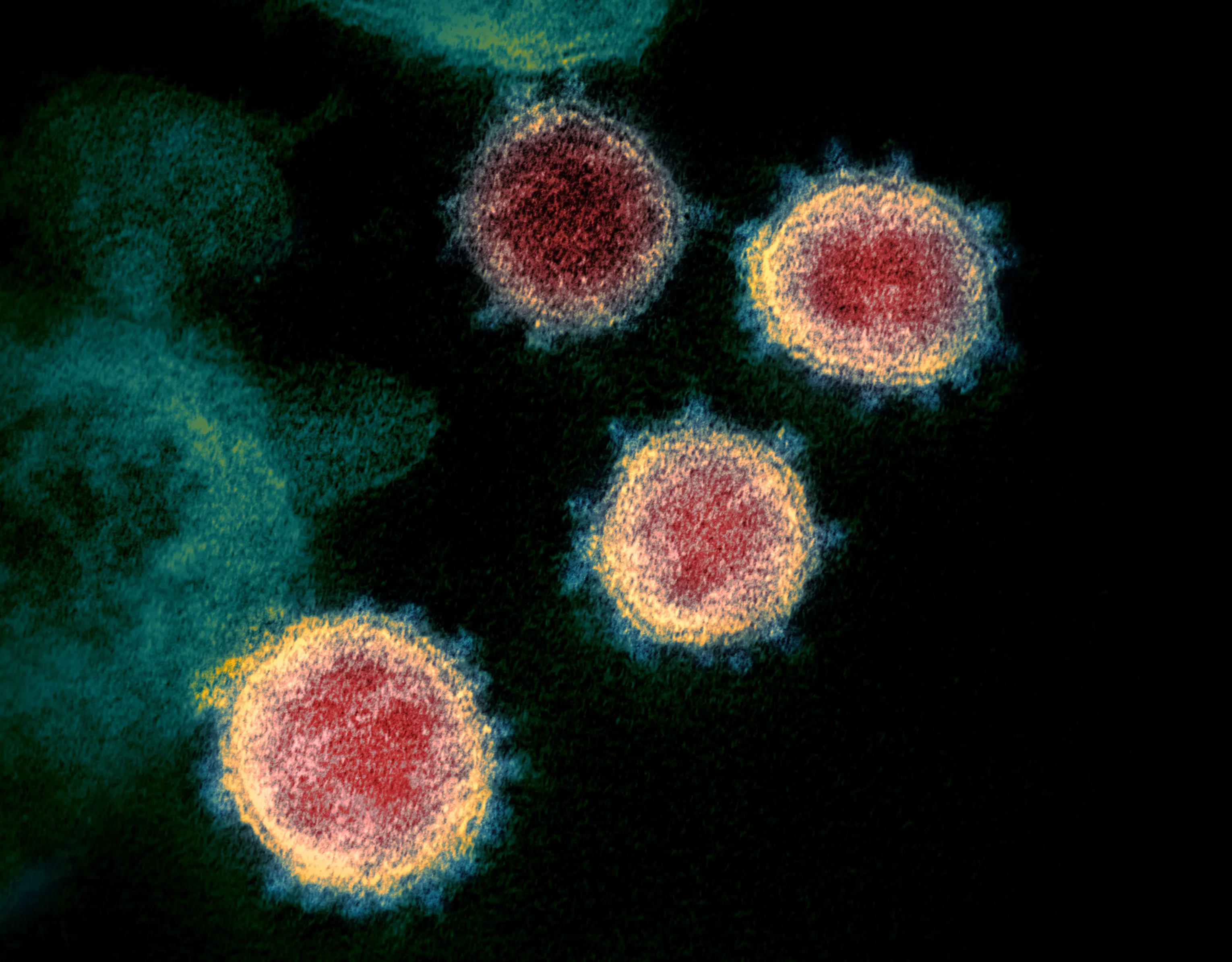

Read international coverage of the coronavirus pandemic and related global events.
Explore News
Visit the statistics section for data related to the coronavirus pandemic.
View Stats

Stay oriented with the site’s described live update format.
Read updates
A report from Human Rights Watch was featured among the site’s world news headlines.
Read More
The site featured this headline in its world news coverage.
Read More
The article covered the beginning of arguments by phone during the pandemic.
Read More
The site reported on the WHO chief’s self-quarantine after contact with a person who tested positive.
Read More
The site published an article discussing possible smartphone data sharing.
Read More
The site published an article on the initiative described in the headline.
Read More
The site discussed the subject of hoax martial law emails in a coronavirus article.
Read MoreNew research has associated COVID-19 infection with a higher likelihood of diabetes diagnoses among children and teenagers. The findings have attracted attention because diabetes can appear quickly in young people, sometimes after an infection that seemed mild or caused no obvious symptoms.
The evidence does not mean every child who catches COVID-19 will develop diabetes, nor does it prove that the virus is the sole cause in every case. Researchers are examining several possible explanations, including immune changes, inflammation, reduced activity during lockdowns and the discovery of previously undiagnosed illness. For Australian families, the practical focus is recognising symptoms early and ensuring follow-up through a GP or paediatric service.
Several large observational studies have reported an increase in newly recorded diabetes after COVID-19 infection in children. Some research has used health insurance records, while other studies have compared groups of infected and uninfected young people over several months. Results vary by age, population, definition of diabetes and the period in which data was collected.
The strongest signal has generally involved type 1 diabetes, although some studies have reported an association with type 2 diabetes as well. Researchers have also found that children diagnosed after infection may be more likely to present with diabetic ketoacidosis, a serious condition caused by a shortage of insulin. These results are important, yet observational research can identify a pattern without proving that COVID-19 directly caused each individual diagnosis.
A diagnosis recorded after infection may also reflect improved medical contact. A child recovering from COVID-19 might receive blood tests or a health assessment that reveals a condition already developing. This is sometimes called ascertainment bias, and it is one reason scientists are continuing to compare large datasets rather than relying on a single study.
Type 1 diabetes develops when the immune system attacks insulin-producing beta cells in the pancreas. The process usually unfolds over time and involves genetic susceptibility, environmental triggers and changes in the immune system. COVID-19 may stimulate strong inflammatory responses that could accelerate an existing autoimmune process in some children, although this remains an active area of study.
The virus may also affect blood glucose through stress hormones and inflammation. During an acute illness, the body releases hormones that raise glucose to supply energy. Steroid medicines, when prescribed for severe disease, can raise it further. In some children, these temporary changes could expose limited insulin production that was already present.
Type 2 diabetes has different drivers, including insulin resistance, family history, body composition, sleep and physical activity. School closures and extended periods indoors changed routines for many Australian children, particularly in Melbourne and Sydney during long lockdowns. Those lifestyle shifts may have contributed to metabolic risk for some young people, but they cannot explain all new diagnoses and should not be used to blame children or families.
A reported association is not the same as a confirmed cause. Studies may differ in how they define a COVID-19 infection, whether they include children who had no symptoms and how carefully they account for weight, ethnicity, socioeconomic factors and access to healthcare. Testing practices also changed substantially as Australia moved from strict PCR testing to widespread rapid antigen testing.
The worldwide scale of the pandemic gives researchers a large amount of information, but the data is still uneven. The global death toll report illustrates the enormous population impact of the virus, while paediatric diabetes research must answer a much narrower question: whether infection changes the risk for a particular child over a defined period.
Scientists are looking for consistent findings across countries, biological evidence in laboratory studies and a plausible time pattern between infection and diagnosis. They are also checking whether the increase remains after accounting for delayed appointments, changes in referrals and diagnoses that might have occurred during periods when children had less access to routine care.
Understanding the main forms of diabetes can help parents interpret symptoms without jumping to conclusions. Type 1 diabetes is an autoimmune condition and can develop in children who are otherwise active and a healthy weight. Type 2 diabetes is more strongly associated with insulin resistance, although it can also occur in young people without obvious risk factors.
| Feature | Type 1 diabetes | Type 2 diabetes | Temporary high blood glucose |
|---|---|---|---|
| Main process | Immune destruction of insulin-producing cells | Insulin resistance and reduced insulin production | Stress response during illness or medication |
| Usual onset | Often rapid, over days or weeks | Often gradual, over months or longer | Usually improves as the illness settles |
| Common signs | Thirst, frequent urination, tiredness, weight loss | Thirst, urination, fatigue, blurred vision | May have few symptoms |
| Immediate danger | Diabetic ketoacidosis | Severe hyperglycaemia or ketoacidosis can occur | Risk depends on the underlying illness |
| How it is assessed | Blood glucose, ketones and diabetes-related tests | Blood glucose, HbA1c and clinical history | Repeat testing after recovery |
The warning signs that deserve prompt medical attention include drinking far more than usual, waking to urinate, new bed-wetting, unexplained weight loss, marked tiredness and blurred vision. Vomiting, stomach pain, deep or rapid breathing, confusion or a fruity-smelling breath can signal diabetic ketoacidosis and require urgent care.
A child with persistent thirst or frequent urination should be assessed by a GP, Aboriginal Community Controlled Health Service or paediatric clinic. In Australia, Medicare can cover many GP consultations, although costs and appointment availability vary between practices. Families should mention a recent COVID-19 infection, vaccination history, medicines and when the symptoms began.
For families in regional Queensland, Western Australia or the Northern Territory, access to paediatric endocrinology may involve a longer trip or telehealth appointment. The Royal Children’s Hospital Melbourne, Sydney Children’s Hospital and Queensland Children’s Hospital are among the specialist centres that manage complex cases, while local hospitals can assess urgent symptoms. A child who appears seriously unwell should go to an emergency department rather than wait for a routine booking.
Testing may include a finger-prick or venous blood glucose measurement, urine or blood ketones, HbA1c and tests for autoimmune markers. A home glucose meter can provide useful information, but it cannot diagnose the type of diabetes and should not delay medical assessment. Parents should avoid trying supplements or restrictive diets as a substitute for proper testing; products promoted for inflammation, such as those discussed by curcumin health, do not replace insulin or evidence-based diabetes treatment.
Vaccination remains one way to reduce the risk of severe COVID-19, hospitalisation and complications, with eligibility and recommendations changing as Australian health authorities update advice. Vaccination does not guarantee that a child will avoid infection or diabetes, and current research should not be used to make claims that exceed the evidence.
Good follow-up is more practical than trying to predict which child will be affected. After infection, parents can keep an eye on drinking, urination, energy levels, appetite and weight. Children with a family history of type 1 or type 2 diabetes, existing autoimmune conditions or previous abnormal glucose results may need a tailored plan from their doctor.
Healthy routines can support general wellbeing: regular movement, adequate sleep, water instead of sugary drinks and balanced meals that fit the family budget and culture. These habits are useful across Australia, from an active school day in Newcastle to life in a remote community, but they cannot prevent type 1 diabetes and should never be presented as a cure.
Schools and childcare services may notice changes before a formal diagnosis, particularly when a child is repeatedly asking for water, using the toilet or appearing unusually tired. Staff should respond sensitively and inform parents or carers rather than assuming a behaviour problem. A student with diagnosed diabetes needs an individual health care plan covering glucose checks, insulin, food, exercise and emergency action.
The pandemic also exposed differences in healthcare access. Families dealing with insecure work, transport problems, language barriers or limited internet access may have found routine appointments harder to arrange. Aboriginal and Torres Strait Islander families can face additional barriers linked to distance, service availability and historical mistrust, so culturally safe care and community-led services matter.
Public health teams need to monitor diabetes diagnoses over time, separating type 1, type 2 and temporary hyperglycaemia. Australia’s hospital records, primary-care data and diabetes registries can help identify whether the post-infection pattern continues. Better data should include vaccination status, reinfections, social conditions and the timing of symptoms, rather than treating every child as part of a single group.
The emerging research is a reason for awareness, not alarm. Most children who have COVID-19 will not develop diabetes, and a post-viral diagnosis may involve several factors rather than a single direct mechanism. Researchers are still determining whether the observed increase is consistent across countries and whether it persists over longer follow-up periods.
Families should focus on symptoms that can be acted on quickly. Excessive thirst, repeated urination, weight loss and unusual fatigue justify a medical appointment, while vomiting, abdominal pain, abnormal breathing or confusion call for urgent help. Early diagnosis and treatment can reduce the risk of severe complications.
COVID-19 continues to influence health policy, travel and everyday life, including how countries manage recovery and public health monitoring. The Japan border update reflects how pandemic rules have shifted internationally, but reopening does not end the need to study longer-term effects. For Australian children, careful surveillance, accessible primary care and prompt attention to diabetes symptoms remain the most useful response.